Are silicone bibs safe for babies 4-8 lb and at 6 months with pouch use?
Silicone bibs can be safe for babies 4-8 lb and six months with pouch use if chosen and used properly; this guide clarifies key safety factors and travel options.
Silicone bibs are generally safe for babies weighing between 4-8 lb and at 6 months when using a pouch bib, provided the bib fits well, is free from small parts, and is cleaned thoroughly after each use.
On this page (8 sections)
- The short version
- Are silicone bibs safe for babies weighing 4-8 lb
- Silicone bibs with pouch for 6-month-old babies
- Best silicone bib size small for babies 4-8 lb
- Disposable bibs with pouch for travel use
- Cleaning and maintenance of silicone bibs to ensure safety
- Potential risks and precautions when using silicone bibs on young babies
- Questions people still ask
Part of our guide on nipple fit for Tommee Tippee bottles
Understand exact safety limits for silicone bibs by baby weight and age with pouch use and travel disposable options.
| Safe baby weight | 4-8 lb and up |
|---|---|
| Appropriate age | 6 months with pouch |
| Material | Food-grade, BPA-free silicone |
| Travel option | Disposable pouch bibs |
| Cleaning method | Dishwasher or hand wash |
The short version
- Silicone bibs suit babies over 4 lb if size fits snugly without choking risks.
- Pouch bibs are good at 6 months but require proper fit to avoid mess and hazards.
- Disposable pouch bibs offer a hygienic travel solution but watch for chemical safety.
- Check bib materials are BPA-free and food-grade silicone to ensure safety.
- Always supervise babies during feeding regardless of bib type to reduce risk.
Are silicone bibs safe for babies weighing 4-8 lb
Silicone bibs can be safe for babies in the 4-8 lb weight range if the bib size is small enough to fit snugly around the baby's neck without gaps that could pose a choking hazard. The primary safety concern at this size is that bibs with adjustable neck closures must not be loose or have detachable parts that the baby could choke on.
Food-grade silicone is inert and free of BPA, phthalates, and PVC, which are common concerns for baby products. This material usually withstands repeated cleaning in a dishwasher or by hand without degradation, making it hygienic for young babies prone to drooling and spitting up.
However, very small babies under 4 lb or with delicate necks may experience discomfort if the bib is heavy or bulky. The bib must be lightweight and flexible enough to avoid restricting neck or jaw movement during feeding. Always confirm bib dimensions and neck circumference limits from the maker before buying.
Choosing a bib designed explicitly for newborns or ‘small size’ silicone bibs is critical for safety in this weight band. Avoid generic silicone bibs intended for older toddlers that are much larger and heavier.
Silicone bibs with pouch for 6-month-old babies
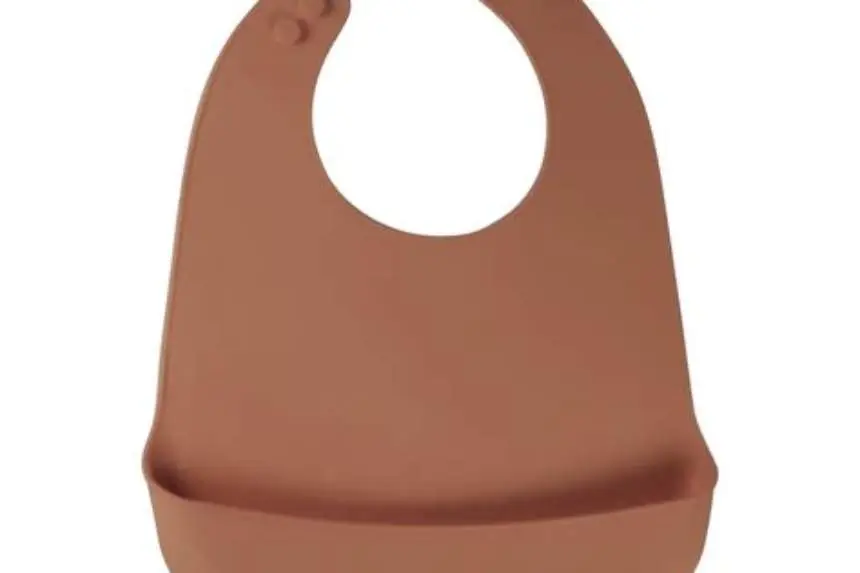
By six months, many babies transition to solid foods, and pouch bibs become valuable to catch spills and crumbs effectively. Silicone pouch bibs designed for babies from 6 months usually feature a deep catch pocket and adjustable neck closure to accommodate growing neck sizes.
Safety here depends on the bib fitting securely without causing irritation or choking risk. The pouch should be large enough to catch food but stiff enough to hold shape when full, without collapsing against the baby’s chest or belly.
Some parents worry about babies playing with the pouch or pulling the bib down, which can be a hazard. Reinforced neck closures like silicone buttons or adjustable Velcro can prevent this issue but must be inspected regularly for wear. Frequent cleaning is essential, as food trapped in the pouch for more than a day can harbor bacteria.
Pouch bibs are not recommended for babies younger than 6 months since they typically cannot sit upright steadily and may choke if the pouch presses against the chest.

BLLNDX Head Circumference Measuring Tape 2PCS 24x0.79Inch/60x2cm White Baby
Provides a flexible, 0.79 inch wide tape measure with 24 inches length for accurately measuring baby neck circumference to ensure a safe bib fit.
Best silicone bib size small for babies 4-8 lb
Finding the best small size silicone bib for babies weighing 4-8 lb means focusing on neck circumference and bib weight more than brand names. Neck sizes for this group usually range from 7 to 9 inches, so the bib must accommodate this with an adjustable but secure closure.
Look for bibs labelled 'newborn' or 'small infant' with dimensions that match your baby's measurements. A bib width of 6-8 inches across the chest will typically suffice. The bib should weigh under 50 grams to avoid discomfort or pulling.
Some models come with multiple neck adjusters or snap settings to grow with the baby. Confirm the bib's material thickness: too thick will be stiff and heavy; too thin may lack durability or fail to hold pouch shape.
Parents often overlook whether the silicone has a matte or glossy finish, which affects cleaning ease and slipperiness. Matte finishes reduce slidability but may stain faster.
| Feature | Recommended Range | Reason |
|---|---|---|
| Neck circumference | 7–9 inches | Fits snugly without choking risk |
| Bib width | 6–8 inches | Catches mess without bulk |
| Weight | < 50 grams | Light enough for delicate necks |
| Material thickness | 2–3 mm | Balance of flexibility and durability |
| Finish | Matte or glossy | Matte less slippery, glossy easier clean |
Disposable bibs with pouch for travel use
Disposable pouch bibs designed for travel offer convenience and hygiene, especially when washing silicone bibs is difficult. These bibs usually combine a soft absorbent front with a waterproof backing and a pouch to catch food spills.
Most disposable pouch bibs are made from polypropylene or polyethylene with food-safe coatings, but quality varies. Some contain low levels of chemicals like BPA or phthalates; check that any disposable bib you buy specifies compliance with FDA or CPSIA safety standards.
Travel disposable bibs tend to fit a broad range of ages but often lack the adjustable neck closures found on silicone bibs. This can affect safety if the bib is too loose or tight for the baby. Always supervise babies wearing disposables and remove the bib immediately after feeding.
Cost per use is higher than silicone bibs, but they eliminate cleaning worries on the go. Some brands also offer biodegradable options, cutting environmental impact.
| Feature | Disposable Bibs | Silicone Bibs |
|---|---|---|
| Reusability | Single use | Reusable |
| Cleaning | None needed | Dishwasher safe |
| Adjustability | Limited or none | Multiple neck size adjustments |
| Weight | Very light | Heavier |
| Cost per use | Higher | Lower over time |
| Environmental impact | Varies, can be disposable waste | Low, long-lasting |
Cleaning and maintenance of silicone bibs to ensure safety
To keep silicone bibs safe, clean them after each use with hot soapy water or in the dishwasher on the top rack. Food residue left in the pouch, especially dairy or fruit sugars, can foster bacterial growth within 24 hours.
Inspect the bib regularly for cracks, discoloration, or sticky surfaces: signs that the silicone may be degrading and harboring germs. Replace bibs showing these defects immediately.
Avoid using abrasive sponges or harsh chemicals that can damage the silicone surface and make the bib unsafe. Instead, use soft cloths or silicone cleaning brushes.
Proper drying before storage prevents mold growth. Store bibs in a dry place away from direct sunlight to prevent silicone breakdown.
Travel disposable bibs require no cleaning but must be discarded after one use to maintain hygiene.
- Rinse bib immediately after feeding to remove loose food.
- Wash bib with hot water and mild soap or place in dishwasher top rack.
- Dry completely before storing in a cool, dry area.
- Check for damage or wear before next use.
- Replace bib if cracks or sticky residue develop.
Potential risks and precautions when using silicone bibs on young babies
Silicone bibs, while safe overall, carry risks if used improperly, especially for babies at the lower end of the 4-8 lb range or under 6 months old. Loose fittings can become choking hazards, and bibs left on unsupervised can cause strangulation.
The pouch design can trap saliva and food debris, increasing infection risk if not cleaned promptly. Some babies may resist wearing bibs due to texture or weight, causing fussiness.
Parents must always assess their baby’s comfort and breathing while wearing a bib, and never use silicone bibs overnight or outside feeding times.
In rare cases, allergic reactions to silicone are reported but very uncommon since food-grade silicone is inert. Discontinue use if rash or irritation appears.
For babies with reflux or swallowing difficulties, consult a pediatrician before choosing any bib type, as bibs can interfere with swallowing coordination.
Questions people still ask
Can a 6-month-old safely use a silicone bib with a pouch?
Yes, a well-fitting silicone bib with a pouch is safe for a 6-month-old who can sit up and swallow solids. It should fit snugly with no choking risk and be cleaned after each use.
What is the smallest size silicone bib available for babies weighing under 8 pounds?
Small silicone bibs designed for newborns typically fit neck circumferences between 7 and 9 inches and weigh under 50 grams, suitable for babies 4-8 pounds.
Are disposable pouch bibs safe for travel?
Disposable pouch bibs are safe if they meet food safety standards, are single-use, and closely supervised as they often lack adjustable neck closures.
How often should silicone bibs be replaced?
Replace silicone bibs when cracks, sticky residue, or discoloration appear, usually within 6-12 months depending on use and cleaning.
Can silicone bibs cause allergies or skin irritation?
Food-grade silicone is inert and rarely causes allergies. If irritation occurs, discontinue use and consult a pediatrician.