How Often to Replace Baby Bottles: Safe Use Timeline
Replace bottles every 4 to 6 months under normal use, sooner when damage or cloudiness appears.

Replace baby bottles every 4 to 6 months with normal use. Check plastic bottles for cloudiness or cracks every month. Glass bottles last longer but replace immediately if chipped.
On this page (8 sections)
- The short version
- How often should baby bottles be changed under normal use
- Signs a feeding bottle needs replacing immediately
- Replacement timing by bottle material
- How sterilizing and washing frequency affect replacement timing
- When plastic bottles show cloudiness or surface scratches
- Special cases that change the replacement schedule
- Questions people still ask
Part of our guide on best slow flow nipple for newborn
Most parents keep bottles too long because cloudiness and scratches you can't see harbor bacteria that sterilizing won't remove.
| Plastic bottles | 4-6 months normal use |
|---|---|
| Glass bottles | Until chipped or cracked |
| Silicone bottles | 6-9 months |
| Weekly check | Cracks, cloudiness, deformation |
| Immediate replace | Any visible crack or chip |
The short version
- Replace plastic bottles every 4 to 6 months, glass bottles when chipped or cracked
- Check weekly for cracks in threads, cloudiness in plastic, and deformed nipples
- Scratches inside the bottle trap milk residue that sterilizing can't reach
- Silicone bottles last 6 to 9 months but discolor faster than other materials
- Dishwasher heat and daily sterilizing shorten plastic bottle life by half
How often should baby bottles be changed under normal use
Replace plastic bottles every 4 to 6 months when you wash and sterilize them daily. That timeline assumes hand washing or gentle dishwasher cycles and sterilizing once a day. Bottles used more than six times daily wear faster. Expect to replace them closer to 3 months instead.
Glass bottles last until they chip or crack, which could be years or never. Inspect the rim and threads every week. A chip smaller than a grain of rice is enough to cut a baby's mouth or your hand. Silicone bottles sit between the two: plan for 6 to 9 months of use. They discolor and pick up odors faster than glass but outlast plastic.
The replacement clock starts from first use, not purchase. A bottle sitting in a drawer for six months is still new. Once you fill it with milk or formula and a baby's mouth touches the nipple, bacteria colonize every scratch and crevice. Sterilizing kills surface bacteria but doesn't reach residue trapped in micro-scratches.
Dishwasher heat accelerates wear on plastic. If you run bottles through a heated dry cycle daily, cut the replacement interval in half. Hand washing with hot water and bottle brushes is gentler but still wears the interior surface. Glass tolerates either method without degrading. People in this spot often ask about steps to clean baby bottles as well.
Signs a feeding bottle needs replacing immediately
A crack anywhere on the bottle means replace it today. Cracks in the threads leak and trap milk where brushes can't reach. Cracks in the body let bacteria into the plastic itself. You can't sterilize the inside of a crack. Hold the bottle up to light and flex it slightly. Hairline cracks show as bright lines.
Cloudiness or a hazy film inside plastic bottles signals surface breakdown. The plastic has developed microscopic scratches that diffuse light. Those same scratches trap milk fat and proteins. Scrubbing harder won't clear it. That haze is permanent damage. Replace the bottle.
Persistent odor after washing means milk residue has soaked into scratches or porous areas. If a bottle smells sour or off even after sterilizing, it's done. Silicone bottles pick up formula odors faster than plastic but the same rule applies. An odor that survives sterilizing comes from residue you can't remove. It helps to understand formula bottle preparation before going further.
Check the measurement markings every month. If the printed graduations have faded or washed off, you lose the ability to measure formula accurately. That alone justifies replacement. Deformed nipples, split seals, or cracks in the cap also mean the bottle system has failed, even if the bottle body looks fine.
- Visible crack: replace immediately, even a hairline in the threads
- Cloudiness inside: plastic surface has broken down and traps residue
- Smell after sterilizing: milk residue embedded in scratches
- Faded markings: can't measure formula safely
- Deformed nipple or cracked ring: seal failure, even if bottle is intact

Replacement timing by bottle material
Plastic bottles degrade the fastest because heat and abrasion wear the surface. Polypropylene bottles last 4 to 6 months with daily sterilizing. If you use a steam sterilizer or microwave steam bag every day, plan for the shorter end. Top-rack dishwasher cycles without heated dry extend life slightly. Expect cloudiness around month four.
Glass bottles last indefinitely unless dropped or chipped. Borosilicate glass tolerates rapid temperature changes without cracking. Inspect the rim, threads, and any seams weekly. A chip disqualifies the bottle permanently. Glass is heavier, which matters if you're holding it for 20 minutes during a feed. It's also the easiest to clean because the surface never scratches.
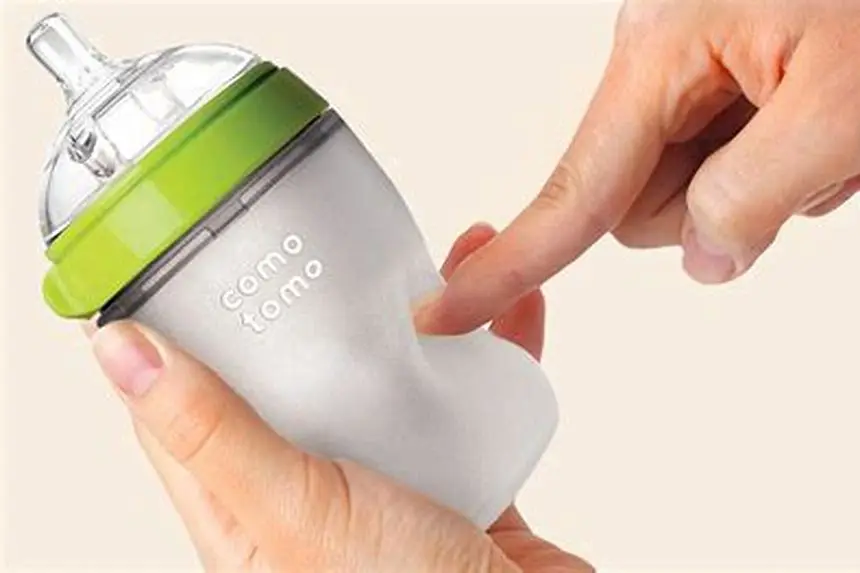
Silicone bottles tolerate heat better than plastic and don't crack like glass. They stay flexible and soft, which some babies prefer. Expect 6 to 9 months of use before they discolor or pick up a permanent smell. Silicone stains from formula and fruit-based foods but the staining itself isn't a hygiene problem. Replace when the bottle smells off after washing or when it's sticky to the touch even when clean.
Stainless steel bottles are rare in infant feeding but last as long as glass. The interior surface doesn't scratch and you can sterilize them indefinitely. The downside is you can't see the milk level without opening the bottle, and most don't have measurement markings. Replace only if dented badly enough to prevent cleaning or if the threads strip.
| Material | Lifespan | Primary failure mode | When to replace sooner |
|---|---|---|---|
| Polypropylene plastic | 4-6 months | Cloudiness, scratches | Heated dishwasher dry, 8+ feeds daily |
| Glass (borosilicate) | Until chipped | Chips, cracks | Any visible damage to rim or threads |
| Silicone | 6-9 months | Odor, stickiness | Daily steam sterilizing in autoclave-style unit |
| Stainless steel | Years | Thread damage, dents | Interior dents that trap residue |
How sterilizing and washing frequency affect replacement timing
Daily sterilizing shortens plastic bottle life because heat cycling expands and contracts the material. Every heat cycle creates microscopic stress cracks on the interior surface. After 120 to 180 cycles, the surface has enough damage to trap bacteria and milk fat. If you sterilize twice a day because your baby is premature or immunocompromised, replace bottles at 3 months instead of six.
Hand washing alone, without sterilizing, extends bottle life slightly but isn't recommended for babies under three months. The CDC advises daily sterilizing for infants under three months, babies born prematurely, and those with weakened immune systems. After three months, thorough washing in hot soapy water is sufficient unless your water supply is untreated or your baby is ill.
Dishwasher use matters more than you'd expect. Top-rack placement with no heated dry is gentler than hand washing because the detergent is more effective and the water hotter. Heated dry cycles, especially those over 160°F, warp plastic bottles and accelerate surface breakdown. Bottom-rack placement exposes bottles to hotter water and stronger spray, both of which shorten life.
Bottle brushes with stiff bristles scratch plastic faster than soft sponges. Scratches aren't visible until they're deep enough to cloud the plastic. Use a soft-bristle brush and replace it every two months. A worn brush with splayed bristles scratches more than it cleans. The scratches from a bad brush can cut bottle life in half.
When plastic bottles show cloudiness or surface scratches
Cloudiness appears gradually and many parents miss it until the bottle looks frosted. Hold the bottle up to a bright light or white background. If the plastic looks hazy compared to a new bottle, it's time. That haze is thousands of tiny scratches diffusing light. Each scratch is a groove where milk proteins and fat collect. Sterilizing doesn't dislodge them.
Scratches deep enough to feel with your fingernail are far past replacement time. Run a clean finger around the inside of the bottle. If you feel roughness or catch your nail on anything, replace it. Smooth plastic that looks cloudy is still a problem but not as urgent as plastic with tactile damage.
Some bottles cloud faster depending on what you feed. Formula with added iron or DHA leaves more residue than breastmilk. Bottles used exclusively for water or breastmilk last slightly longer than those used for formula. Thickened formula for reflux is the hardest on bottles because the added rice cereal abrades the surface.
You can't restore a cloudy bottle. Soaking in vinegar, baking soda, or bleach solution might remove some staining but won't fill in scratches. Once the surface is compromised, the bottle's ability to be cleaned is gone. Buy replacements in sets of four to six so you're not caught short when half your bottles need replacing at once.
Special cases that change the replacement schedule
Premature babies or immunocompromised infants need stricter hygiene. Replace bottles every 3 months regardless of visible wear. Their immune systems can't handle the bacterial load that older healthy babies tolerate. Sterilize twice daily and inspect for damage weekly. Any bottle that's been dropped, even without visible cracks, should be replaced.
If you're exclusively pumping and storing milk in bottles, those storage bottles degrade differently. Bottles that go from fridge to warmer to baby daily experience more temperature swings than bottles filled fresh each time. Expect cloudiness by month three. Bottles stored in the freezer with milk stay cleaner but the freeze-thaw cycle stresses the plastic. Replace at 4 months.
Daycare or shared care situations mean more handling and more risk of damage. Bottles that travel in a diaper bag five days a week get dropped, stepped on, and knocked around. Inspect them twice weekly. Cracks in the threads are common because caps get over-tightened. If multiple caregivers wash bottles, you lose control over method and water temperature, both of which affect wear.
When a baby refuses a bottle suddenly, check for a smell or taste issue before assuming it's behavioral. Old bottles can leach a plastic taste even when they look fine. Try a fresh bottle from a new package. If the baby takes that one, the old bottles are done. Babies have a better sense of off-flavors than adults do.
Questions people still ask
Can I use bottles past 6 months if they still look clear?
Microscopic scratches appear before cloudiness. Bacteria colonize those scratches even when the bottle looks clear. Replace at 6 months regardless of appearance unless you're using glass. The risk isn't worth saving $15 on a set of bottles.
Do glass bottles need replacing if they've never been dropped?
Inspect weekly for chips in the rim and threads. Glass doesn't degrade from washing or sterilizing. A chip smaller than a sesame seed is enough to cut skin. If there's no damage, keep using it.
Is cloudiness just hard water staining or actual damage?
Hard water leaves white mineral spots you can scrape off with your nail. Cloudiness is diffused light from scratches in the plastic surface. You can't remove it. The plastic structure has changed and the bottle traps residue.
Can I sterilize bottles less often to make them last longer?
Yes, after 3 months of age and with pediatrician approval. Thorough washing in hot soapy water works for healthy full-term babies after that age. Bottles will last 6 to 8 months instead of 4 to 6. Still replace at any sign of cloudiness or cracking.
Do silicone bottles that turn yellow or brown need replacing?
Staining alone isn't a hygiene problem. Replace when the bottle smells bad after washing or feels sticky when clean. Discoloration from formula or vegetables is cosmetic. Texture change and persistent odor mean the material is breaking down.