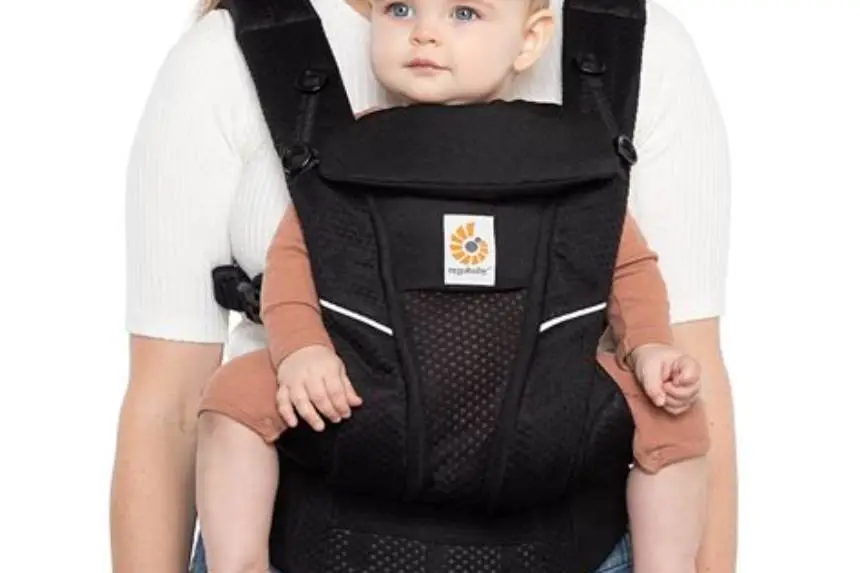
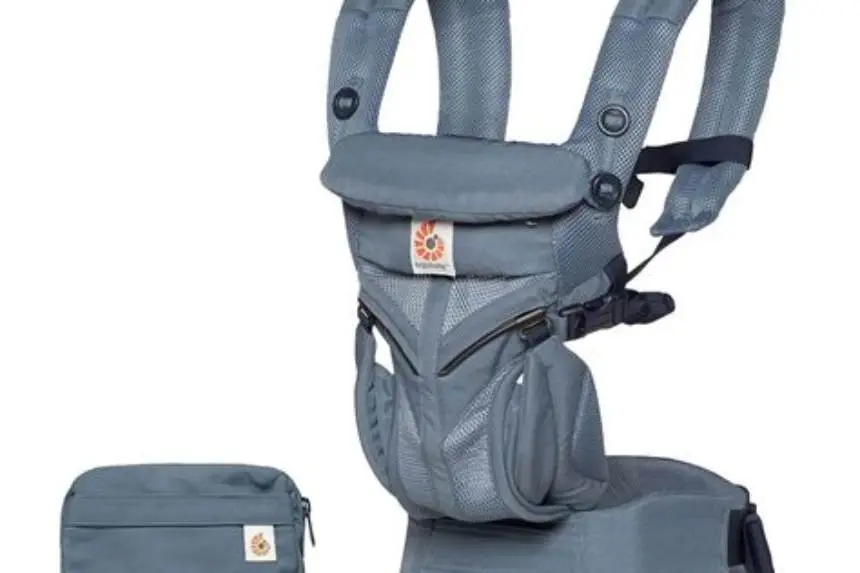
Will an Ergobaby carrier fit your newborn and family needs better than a Tula
Ergobaby carriers offer strong newborn support with their infant inserts and multiple carrying positions, but they may not fit all parent body sizes as well as Tula carriers, which tend to provide more customizable fit options and similar features.
On this page (8 sections)
- What matters most
- How Ergobaby supports newborns and when it’s worth it
- Is an Ergobaby carrier worth it for newborns compared to other brands?
- How Ergobaby compares to Tula carriers in fit and features
- Which parent sizes and shapes fit best with Ergobaby vs Tula
- Choosing a carrier that fits your baby and parent needs
- Is Ergobaby the best baby carrier for your family needs
- Questions people still ask
Part of our guide on fit advice for average height
The numbers
- Newborn support
- With infant insert
- Recommended weight
- 7 to 45 lb typical
- Parent waist range
- 24 to 60 inches
- Carrying positions
- 3-4 common
- Adjustability
- Moderate to high
What matters most
- Ergobaby supports newborns with included or separate infant inserts.
- Tula carriers usually have more adjustable sizing for parents.
- Both brands meet safety standards and have ergonomic designs.
- Choosing depends on your baby’s size, parent body shape, and carrying preferences.
- Consider testing fit in person or checking return policies before buying.
How Ergobaby supports newborns and when it’s worth it
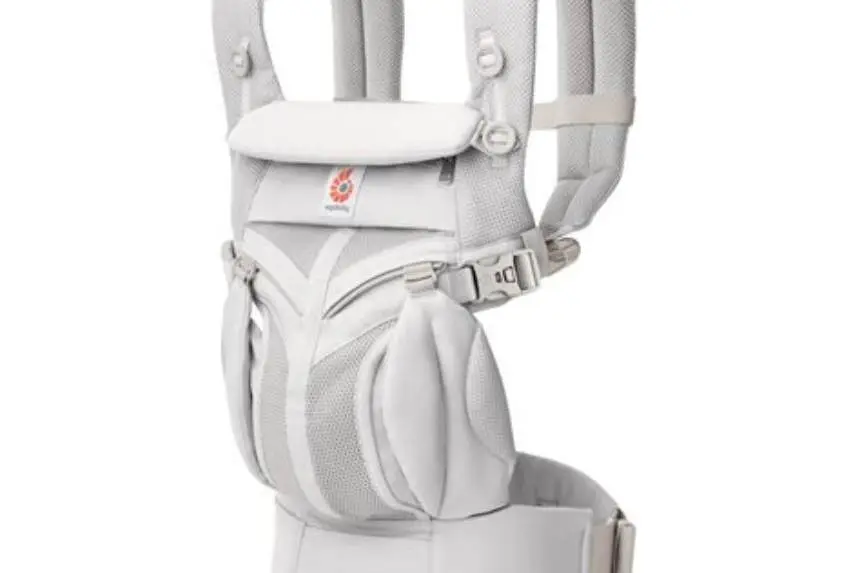
Ergobaby carriers specifically include an infant insert for babies from around 7 pounds up to older infants who outgrow the insert, usually by 4-5 months. This insert provides essential neck and hip support until the baby gains head control and proper leg positioning. Ergobaby’s design prioritizes ergonomic positioning to reduce strain on newborn spines.
Unlike some carriers that require buying an extra insert, many Ergobaby models bundle this accessory or include a built-in option, adding convenience but also some bulk. The infant insert weighs a few ounces and adds layering, which can be warm for babies and parents in hot climates.
Whether Ergobaby is worth it for newborns depends on your willingness to manage this extra part and your baby's size at birth. If your newborn is smaller than 7 pounds, the insert might not fit well, and alternatives or other brands with smaller minimum weights might be better. Ergobaby does cover the newborn stage effectively if you accept the insert’s presence.
Is an Ergobaby carrier worth it for newborns compared to other brands?
Ergobaby stands out for its comprehensive newborn support with a well-padded insert and multiple ergonomic positions including front-facing in, hip, and back carry. It meets all US safety standards for infant carriers, reassuring parents about compliance. It helps to understand who should use omni breeze carrier before going further.
The trade-off is added bulk and a learning curve in adjusting the insert correctly. For parents seeking a simple, lightweight newborn carrier, Ergobaby may feel bulky. Brands with soft wraps or stretchy carriers fit smaller newborns more snugly without inserts but sacrifice ease of use as baby grows.
Ergobaby is worth it for newborns if you want durable, structured support and plan to use the carrier beyond infancy. If you need something minimal for short newborn use only, look at soft wraps or hybrids that require no inserts.

Perfect Body Tape Measure
Measures body circumferences accurately to 1/16 inch, meeting the need for precise waist and torso measurements.
How Ergobaby compares to Tula carriers in fit and features
Tula carriers typically come with adjustable panels and offer different sizes (standard and toddler), allowing parents to select a fit closer to their body size and their child's growth stage. Ergobaby tends to be one-size-fits-most with a generous waist belt but less panel size variety. For the detail, see our notes on ergobaby omni 360 cool air mesh review.
Both brands prioritize ergonomic support and safety certifications, but Tula carriers generally feature slightly lighter weight fabrics and simpler designs without mandatory infant inserts, although they do sell inserts separately.
Carrying positions are similar: front inward, hip, and back carry. Tula’s design may feel less bulky for smaller adults or those with shorter torsos. Ergobaby offers more padded support and a sturdier frame, appealing to parents wanting extra structure and lumbar support.
If your priority is adjustability and a less bulky newborn option, Tula might have the edge. For a longer-term carrier with robust padding and support, Ergobaby could be better. For the detail, see our notes on choosing carrier for hot weather.
| Feature | Ergobaby | Tula |
|---|---|---|
| Newborn support | Infant insert included or sold separately | Infant insert sold separately |
| Adjustability | One-size-fits-most with adjustable waist | Multiple sizes, adjustable panels |
| Weight (empty) | Approx. 2.5-3 lbs | Approx. 1.5-2.5 lbs |
| Carrying positions | 3-4 (front, hip, back) | 3 (front, hip, back) |
| Bulkiness | Higher due to padding and insert | Lower and lighter materials |
| Price range | Mid to high | Mid |
- Strong newborn support with insert
- Solid lumbar and shoulder padding
- Well-tested ergonomic design
- Less size variety for parents
- Bulkier and heavier
- Infant insert adds complexity
Which parent sizes and shapes fit best with Ergobaby vs Tula
Ergobaby carriers accommodate waist sizes from approximately 24 to 50 inches with extension belts available up to 60 inches, making them suitable for most average to larger parents. However, torso length adjustability is limited, which can affect comfort for very short or tall parents.
Tula carriers offer different sizes that cater better to petite parents and toddlers alike, with adjustable panel heights. This flexibility means parents with shorter torsos or smaller frames often get a better fit with Tula than Ergobaby.
Parents with broad shoulders or back pain often find Ergobaby’s thicker padding and lumbar support helpful. Tula’s lighter fabric and straightforward adjustments suit those preferring less bulk or aiming for a minimalist feel.
Measuring your waist and torso length before purchasing will help avoid returns. If you’re between sizes or have unusual proportions, trying carriers in-store is ideal.
Choosing a carrier that fits your baby and parent needs
Selecting the right carrier means balancing newborn support, parent comfort, and your lifestyle. Ergobaby excels in padded support and durability, suiting parents who plan heavy daily use and longer wear times. Tula offers size options and lighter design for parents wanting more adjustability or a less bulky feel.
Consider your baby's size at birth and growth rate. If your newborn is under 7 pounds, Ergobaby’s insert might not fit properly, making Tula or other soft carriers preferable for the earliest months.
Think also about climate; Ergobaby’s padding and insert can trap heat, while Tula’s lighter fabric helps in warm weather. Budget is another factor as Ergobaby often costs more, partly due to included inserts and robust materials.
Try carriers on if possible or check vendors with flexible return policies. Pay attention to the ease of adjusting straps and the ease of placing baby in the carrier alone, which is important when managing active toddlers or twins.
- Measure your waist and torso length.
- Estimate your baby’s current and near-future size.
- Decide your preferred carrying positions.
- Consider climate and typical usage duration.
- Research return policies and test carriers if possible.
Is Ergobaby the best baby carrier for your family needs
Ergobaby is among the top carriers for newborn safety and ergonomic design, but it is not the unequivocal best for every family. Its infant insert is a strong selling point for newborn support but adds bulk and complexity. Parents with average to larger body sizes and those wanting structured support might prefer Ergobaby.
Tula offers a compelling alternative with more sizing options and lighter weight, ideal for smaller parents or those seeking a less bulky newborn option without mandatory inserts.
Your best carrier depends on your baby’s size at birth, your body shape, preferred carrying styles, and budget. Ergobaby rates highly for durability and support but less so for minimalism or petite fits.
Testing fit and evaluating how each carrier matches your family's lifestyle will clarify which is best. No single carrier wins on all fronts.
Questions people still ask
Can Ergobaby carriers be used for premature or very small newborns?
Ergobaby's infant insert is designed for babies starting around 7 pounds, so very small or premature newborns may not fit properly. Parents should consider soft wraps or carriers with lower minimum weight limits for very small newborns.
Do Ergobaby carriers require an infant insert for newborn use?
Yes, Ergobaby carriers need the infant insert to safely support newborns who don't yet have head control or the right hip positioning. This insert is either included or sold separately depending on the model.
How does the weight of Ergobaby compare to Tula carriers?
Ergobaby carriers generally weigh about 2.5 to 3 pounds empty, which is heavier than many Tula carriers that range closer to 1.5 to 2.5 pounds due to lighter fabrics and fewer bulk additions.
Are Ergobaby carriers adjustable for different parent body sizes?
Ergobaby carriers fit a wide waist range, approximately 24 to 50 inches, with some extension belts up to 60 inches, but have less torso length adjustability compared to Tula’s multiple sizes and panel adjustments.
Which carrier is better for hot climates, Ergobaby or Tula?
Tula carriers usually perform better in hot climates due to lighter, less padded fabrics. Ergobaby carriers’ infant inserts and padding can retain heat and may feel warmer for parent and baby.
Can I return an Ergobaby carrier if it doesn’t fit well?
Return policies vary by retailer, but many vendors offer returns or exchanges allowing you to test fit at home. Confirm the policy before purchase to avoid being stuck with an unsuitable carrier.