Which babies and parents the Ergobaby Omni Breeze carrier fits best
The Ergobaby Omni Breeze supports babies from newborn (7 lbs) to 45 lbs in several carrying positions, with mesh panels that aid airflow for hot climates. It fits parents from about 4'11" to 6'4" but tightens may limit some larger body types. Its cooling design stands out among Ergobaby Omni variants.
On this page (8 sections)
- What matters most
- Baby age and weight limits for the Omni Breeze
- How the mesh design suits hot climates
- Parent body size and comfort considerations
- Carrying positions supported and their usability
- Comparison to other Ergobaby Omni models in use cases
- Which babies and parents the Ergobaby Omni Breeze baby carrier review suits best in hot weather
- Questions people still ask
Part of our guide on fit advice for average height
The numbers
- Baby weight limit
- 7-45 lbs
- Baby age range
- Newborn to toddler
- Parent height fit
- 4'11" to 6'4"
- Carrying positions
- 4
- Material
- Breathable mesh
- Machine washable
- Yes
What matters most
- Fits babies 7-45 lbs, covering newborns to toddlers
- Mesh fabric enhances ventilation for hot weather use
- Supports multiple carrying positions for flexibility
- Adjusts for parent heights 4'11" to 6'4", but bulky for some
- Compared to other Omni models, better for heat, similar in support
Baby age and weight limits for the Omni Breeze
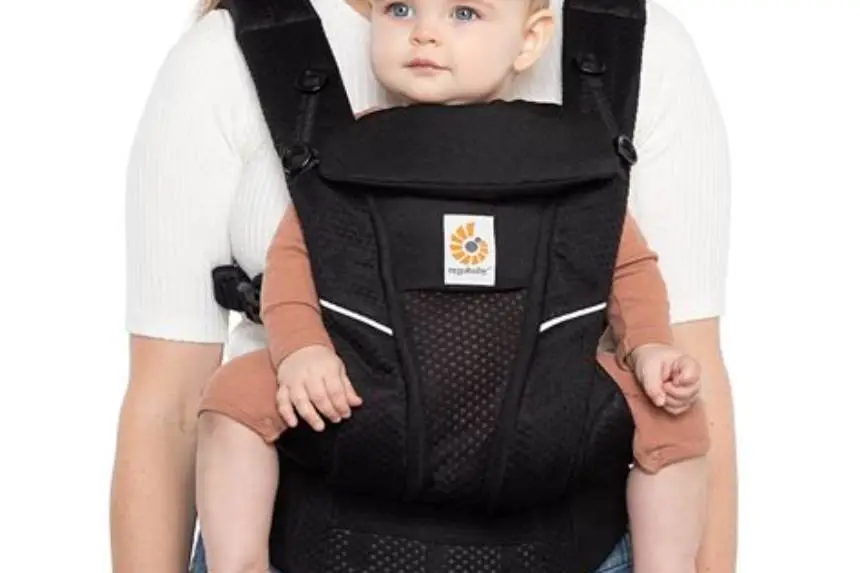
The Ergobaby Omni Breeze carries babies from 7 pounds (about 3.2 kg) up to 45 pounds (20.4 kg). This wide range makes it a versatile option for newborns through toddlers. The minimum 7-pound start means no separate infant insert is required, a convenience few carriers offer.
Most baby carriers limit toddlers to around 35 pounds, but the Omni Breeze’s reinforced structure and harness support heavier children safely. This upper weight limit depends on correct adjustment and the parent’s comfort, especially for longer carry durations.
Infants under 12 weeks or with limited head control still fit securely in the Omni Breeze due to its ergonomic seat and padded head support. However, the mesh fabric is thinner than traditional canvas or cotton carriers, so parents should ensure the baby’s body temperature is monitored carefully, especially early on.
How the mesh design suits hot climates
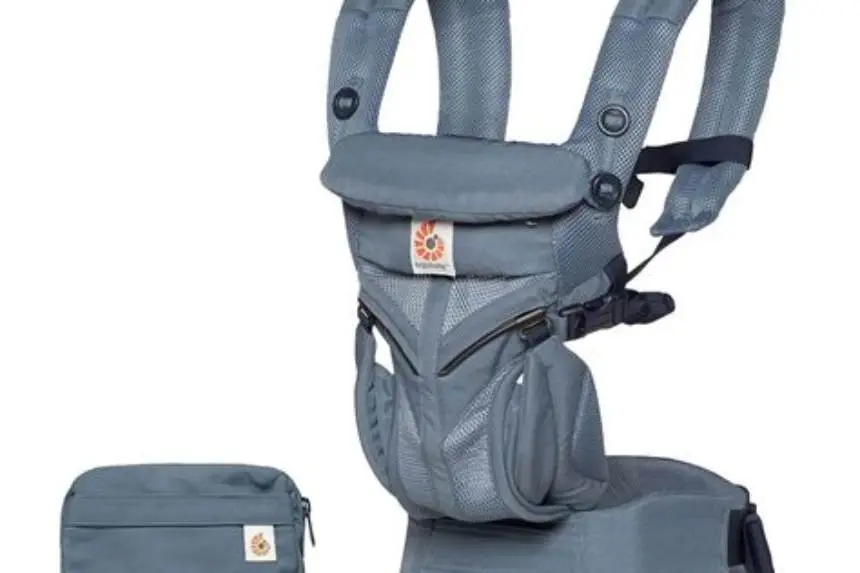
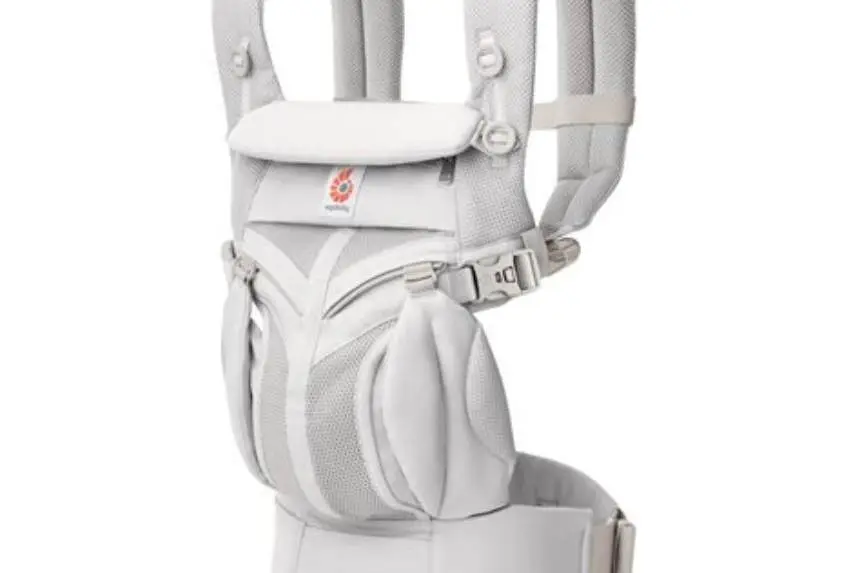
The Omni Breeze’s defining feature is its 3D mesh panels covering the baby’s seat and back area, designed for maximum airflow. In hot weather or humid environments, this mesh reduces sweat accumulation and keeps both baby and parent cooler compared to traditional carriers. If that sounds like your situation, read up on which babies use this carrier best next.
The mesh allows moisture evaporation and air circulation, which can lower skin temperature by several degrees Fahrenheit, although exact cooling depends on ambient humidity and airflow. Parents in consistently hot climates report better comfort with the Breeze than solid-fabric Omni models.
However, mesh is less windproof and offers less UV protection than dense cotton, so sun protection layers or covers may be necessary outdoors. Also, mesh fabric may snag more easily on sharp objects, so care is required.
Given its mesh focus, the Omni Breeze is less ideal in cooler weather without additional layers or covers, which may negate some breathability benefits. The other half of this decision is standard frame compatible baby swings.
Parent body size and comfort considerations
The Omni Breeze carrier adjusts to fit parents approximately from 4'11" (149 cm) to 6'4" (193 cm) in height and waist sizes from about 25 inches to 52 inches. This range covers most adults but can be tight for extremely petite or plus-size parents.
Adjustments include padded shoulder straps and a wide lumbar support belt that distributes baby’s weight evenly. However, the mesh version’s frame is slightly bulkier than the standard Omni, which some parents find less comfortable for long wear or in tight clothing.
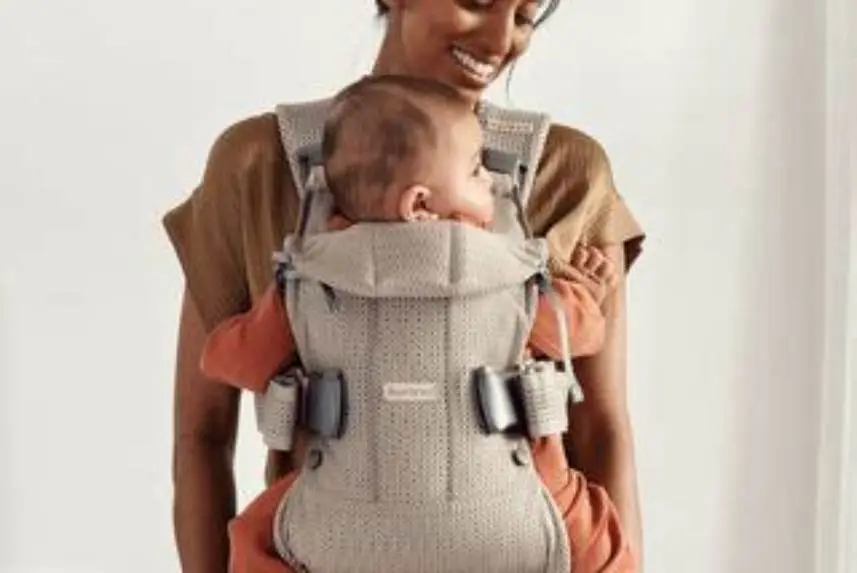
Because the carrier must remain snug for safety, parents near the high or low ends of the range should test fit carefully. Some may find the waist belt rides higher or lower than ideal, affecting back comfort. Additional padding or supports are not standard but can be added aftermarket. For the detail, see our notes on baby bjorn carrier one air mesh vs carrier one.
Parents with physical restrictions, such as back pain, should consider how the extra airflow mesh might reduce sweating but not necessarily improve support compared to more structured carriers.
Carrying positions supported and their usability
The Ergobaby Omni Breeze supports four carrying positions: front inward, front outward, hip, and back carry. This versatility allows use from newborn through toddler stages and adapts to several parent and baby needs.
Front inward is best for newborns needing head support and close contact. The padded mesh supports this position without sacrificing airflow. Front outward suits babies with good neck control from about 4-5 months, but the mesh may feel less structured to some babies. There is more on is ergobaby the best baby carrier in a separate guide.
Hip carry offers comfort for toddlers who want to face outwards but still require support, practical for shorter trips. Back carry is for heavier toddlers and longer wear sessions, but parents should check comfort due to the carrier’s bulk and adjust straps carefully.
Switching between positions requires some unbuckling and tightening, typical for carriers with lumbar support. The Omni Breeze’s design does not allow quick one-handed adjustments, which might be a drawback for some parents.
Comparison to other Ergobaby Omni models in use cases
Compared to the standard Ergobaby Omni 360, the Omni Breeze differs mainly in material. Breeze uses breathable mesh, making it superior for hot climates, while the Omni 360 uses cotton canvas for more warmth and durability.
Both carriers support the same weight range and carrying positions, but the Omni Breeze feels lighter due to mesh. This lightness is a trade-off with durability and protection from sun and wind. Parents in cooler or variable climates may prefer the original Omni.
Price differences vary but tend to be small. The Omni Breeze’s niche is clear: parents who prioritize cooling and air circulation during warm months or humid conditions. For multi-season use, a standard Omni or another carrier with removable covers may be preferable.
Some parents report the Omni Breeze’s buckles and straps feel bulkier or less padded compared to other models, potentially impacting long-term comfort.
| Feature | Omni Breeze | Omni 360 |
|---|---|---|
| Material | 3D Mesh Panels | Cotton Canvas |
| Weight Limit | 7-45 lbs | 7-45 lbs |
| Carrying Positions | 4 (front, hip, back) | 4 (front, hip, back) |
| Best for Climate | Hot/humid | Temperate/all seasons |
| Sun Protection | Less | More |
| Adjustability | Good | Good |
- Superior ventilation
- Lightweight feel
- No infant insert needed
- Less sun protection
- Bulkier straps
- Less durable mesh
Which babies and parents the Ergobaby Omni Breeze baby carrier review suits best in hot weather
The Ergobaby Omni Breeze baby carrier review shows it fits best parents who live in hot or humid climates and want a single carrier usable from newborn to toddler without extra inserts. Babies weighing between 7 and 45 pounds experience good ergonomic support and cooling.
Parents between 4'11" and 6'4" who want multiple carry positions will appreciate the Omni Breeze’s flexible design but should be prepared for slightly bulkier straps and a looser protection envelope due to mesh.
If your baby needs carrier use in cooler weather, or you want maximum sun protection, the Omni Breeze may not meet your needs without additional covers. Parents outside the size adjustment range or those needing ultra-lightweight travel carriers might consider alternatives.
Before buying, test the fit and comfort with your baby if possible. For hot climates, pairing the Omni Breeze with a lightweight, UPF-rated sun cover can resolve sun exposure limits effectively.
The Ergobaby Omni Breeze best suits parents in warm climates who want a versatile, ventilated carrier for newborns to toddlers, but it trades off some sun protection and bulk.
Questions people still ask
Can the Ergobaby Omni Breeze be used for newborns without an infant insert?
Yes, the Omni Breeze supports babies starting at 7 pounds and includes features like padded head support to accommodate newborns safely without an infant insert.
Is the mesh fabric durable enough for daily use?
The 3D mesh is strong but less durable than cotton canvas; it can snag more easily and requires careful handling, especially around sharp objects.
Does the Omni Breeze provide enough sun protection for outdoor use?
No, the mesh design reduces UV protection compared to solid fabric carriers, so adding a UPF-rated sun cover is recommended for outdoor use.
How do I know if the carrier will fit my body size?
Measure your height and waist against the manufacturer’s adjustment range of 4'11" to 6'4" and waist 25-52 inches to ensure a snug, comfortable fit.
Are all carrying positions equally comfortable in hot weather?
Breathability is best in front inward and hip positions. Back carry can feel warmer due to body contact and strap bulk, so adjust accordingly.