How to warm up baby milk safely during a trip without kitchen access
Warm baby milk to 98-104°F (37-40°C) using warm water in insulated bottles or thermos flasks; avoid microwaves and direct heat to prevent hot spots and burns. Use common travel gear like vacuum flasks or warm water packs to maintain temperature safely.
On this page (9 sections)
- Fit check
- What matters most
- Safe temperature range for baby milk
- Methods to warm milk without electric warmers
- How to keep milk warm for feeding on the go
- What not to do to avoid hot spots or burns
- Equipment or containers useful for travel warming
- How to warm up milk for the baby during a trip
- Questions people still ask
Part of our guide on choosing sleep sacks for rolling babies

THERMOS Stainless King Vacuum-Insulated Compact Bottle
Keeps water hot for 18 hours, well beyond the 3-hour need to warm milk safely at 104°F or above
Check it on Amazon
Momcozy Portable Bottle Warmer for Breast Milk
Warms water to 104°F in 3 minutes, meeting the safe warming temperature for milk, with a 1.5-hour fast charge
See this alternative
Portable Bottle Warmer for Travel
Heats water to 104°F in 3 minutes and keeps milk warm for 6 hours, suitable for warming milk safely at 104°F
See this alternative| Product | milk warming temperature (°F) | Verdict | |
|---|---|---|---|
| THERMOS Stainless King Vacuum-Insulated Compact Bottle THERMOS | keeps beverages hot for 18 hours | Meets it | View on Amazon |
| Momcozy Portable Bottle Warmer for Breast Milk Momcozy | warms water to 104°F in 3 minutes | Meets it | View on Amazon |
| THERMOS Stainless King Vacuum-Insulated Beverage Bottle THERMOS | keeps beverages hot or cold for 24 hours | Meets it | View on Amazon |
| Portable Bottle Warmer for Travel YKV | heats water to 104°F in 3 minutes, keeps milk warm for 6 hours | Meets it | View on Amazon |
The numbers
- Safe temperature
- 98-104°F
- Preferred warming method
- Warm water bath
- Avoid
- Microwave heating
- Milk keep-warm time
- Up to 3 hours in flask
- Safe bottle temp check
- Test on wrist
What matters most
- Safe baby milk temperature is 98-104°F (37-40°C).
- Use insulated flasks or warm water bottles to warm milk.
- Avoid microwaves or direct heating to prevent hot spots.
- Keep milk warm in vacuum-insulated bottles for hours.
- Test milk temperature before feeding every time.
Safe temperature range for baby milk
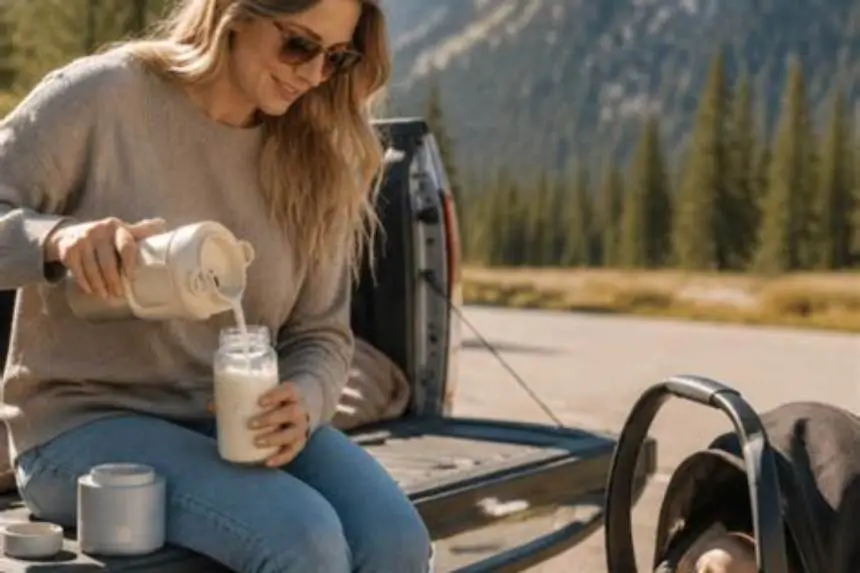
Baby milk should be warmed to a temperature between 98°F and 104°F (37-40°C) for safe feeding. This range matches body temperature closely enough to be comfortable but not hot enough to scald sensitive baby mouth tissue. Milk hotter than 104°F risks burns; cooler milk may cause feeding refusal.
This temperature depends on milk container material and ambient conditions. For example, glass bottles hold heat longer, while plastic cools faster. You must check the temperature every time before feeding, using the inside of your wrist as a thermometer: milk should feel warm but not hot.
Maintaining this temperature during travel is challenging because you often lack kitchen gear. The safest approach is warming the milk gradually and ensuring no spots in the bottle exceed the safe temperature by stirring or swirling the milk before testing.
Methods to warm milk without electric warmers
Without access to electric warmers or kitchen facilities, the most reliable method is using a warm water bath. Bring a container filled with water heated to roughly 110-120°F (43-49°C) before the trip, then submerge the milk bottle in it for 5 to 10 minutes. The water temperature must be higher than the target milk temperature because heat transfers through the bottle material. We go through when to travel with baby step by step elsewhere on the site.
Warm water packs or insulated thermos flasks filled with preheated water also work well. They maintain warmth for hours and let you place the milk bottle inside to warm gently. Avoid direct heat sources like campfires, car heaters, or boiling water, as these cause uneven heating and hot spots.
Cold weather delays warming, so pack extra warm water in a vacuum flask to reheat bottles multiple times on longer trips. Never microwave baby milk during travel. Microwaves cause dangerous hot spots that can burn the baby's mouth despite a lukewarm surface.
THERMOS Stainless King Vacuum-Insulated Compact Bottle
Keeps water hot for 18 hours, well beyond the 3-hour need to warm milk safely at 104°F or above
- Height 9.7 inches
- Length 3.0 inches
- Weight 0.3 Pounds
How to keep milk warm for feeding on the go
Keeping milk warm between feeds is just as important as warming it safely. Using a vacuum-insulated bottle or thermos can keep baby milk at a safe temperature range for up to 3 hours, depending on ambient temperature and bottle insulation quality. The other half of this decision is how to make a baby onesie.
Preheat the insulated container by filling it with hot water before adding milk. Then replace the water with freshly warmed milk, sealing the container immediately to trap heat. Some bottles have double-wall vacuum insulation that slows down temperature loss effectively during outdoor trips or long drives.
For shorter trips, insulated bottle sleeves and warm water packs can maintain warmth. However, these methods cool down faster. Always check milk temperature before each feed. Never leave warmed milk at room temperature for more than 2 hours as bacteria multiply quickly.
Momcozy Portable Bottle Warmer for Breast Milk
Warms water to 104°F in 3 minutes, meeting the safe warming temperature for milk, with a 1.5-hour fast charge and 17oz capacity
- Is adult product False
- Length 4.5 inches
- Height 11.6 inches
What not to do to avoid hot spots or burns
Microwaving baby milk is unsafe because it heats unevenly, creating hot spots that can burn a baby's mouth while the outer bottle feels cool. Do not skip stirring or swirling warmed milk to distribute heat evenly, especially when using hot water baths. People in this spot often ask about folding baby grows neatly as well.
Avoid open flames, camp stoves, or boiling water for warming as these methods risk overheating or sudden temperature spikes. Never warm milk in a car heater vent or under direct sunlight since these heat sources lack temperature control, increasing burn risk.
Do not feed milk that has been warmed and left out for more than 2 hours. Bacteria grow rapidly at room temperature, risking infection. Discard leftover milk after the feed to avoid contamination and never reheat milk more than once.

THERMOS Stainless King Vacuum-Insulated Beverage Bottle
Keeps water hot for 24 hours, exceeding the 3-hour requirement to warm milk safely at 104°F
- Size 40 Ounces
- Length 4.3 inches
- Weight 1.0 Pounds
Equipment or containers useful for travel warming
The best travel gear to warm baby milk without kitchen access includes vacuum-insulated bottles or flasks, warm water packs, and insulated bottle sleeves. Vacuum flasks keep water hot for hours, letting you warm milk multiple times on the go by submerging the bottle.
Warm water packs (gel or liquid-filled pouches activated by clicking or heating) offer a compact heat source for shorter warming durations. Combined with an insulated bottle sleeve, they extend heat retention, though not as long as a vacuum flask.
Glass or BPA-free plastic bottles with wide mouths heat more evenly in warm water baths and are easier to clean. Silicone bottle sleeves add grip and extra insulation. Avoid metal bottles for warming milk; they conduct heat too rapidly, risking burns.
| Container Type | Heat Retention Duration | Portability | Safety Notes |
|---|---|---|---|
| Vacuum-insulated flask | 3+ hours | Moderate bulk | Safe, even heating |
| Warm water pack | 30-60 minutes | Compact | Heat dissipates quickly |
| Insulated bottle sleeve | 1-2 hours | Lightweight | Enhances other heating method |
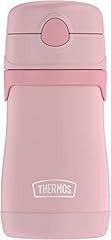
THERMOS BABY 10 ounce Stainless Steel Vacuum Insulated Straw Bottle
keeps beverages cold for 12 hours, no hot retention stated
- Weight 11 oz
- Size 10 Ounces
- Height 7.1 inches
How to warm up milk for the baby during a trip
Step 1: Prepare warm water before your trip at around 110-120°F (43-49°C) and store it in a vacuum-insulated flask or thermos to maintain temperature.
Step 2: When the baby needs feeding, submerge the milk bottle in the warm water for 5 to 10 minutes, swirling occasionally to distribute heat evenly.
Step 3: Test milk temperature on your wrist to ensure it is between 98-104°F (37-40°C). If too cool, repeat warming briefly; if too hot, let it cool.
Step 4: Keep the milk warm after warming by placing the bottle in an insulated sleeve or a vacuum flask until feeding.
Step 5: Discard any leftover milk after feeding to avoid bacterial contamination.
- Heat water to 110-120°F before travel and pour into a vacuum flask.
- Immerse milk bottle in warm water for 5-10 minutes.
- Swirl milk to avoid hot spots and test on wrist.
- Use insulated sleeves or flasks to keep milk warm.
- Discard unused milk after feeding.
Questions people still ask
Can I use a thermos to warm baby milk on a trip?
Yes. Fill the thermos with water heated to 110-120°F and place the milk bottle inside for a gentle warm-up. The thermos keeps water hot for hours, making it practical for multiple feeds.
How long can I keep warmed milk at a safe temperature during travel?
Warmed milk can stay safe for about 2 hours at room temperature, but insulated bottles or flasks can keep it warm for up to 3 hours. Always test temperature before feeding.
Is it safe to microwave baby milk in a hotel room during travel?
No. Microwaving creates hot spots that can burn your baby. It’s safer to use warm water baths or insulated flasks even when access to a microwave is available.
What should I avoid when warming baby milk outside home?
Avoid direct heat sources like open flames, boiling water, or car heaters, and never microwave milk. These create hot spots and uneven heating, posing burn risks.
Can I reheat leftover milk during a trip?
No. Milk should not be reheated more than once, and leftover milk after feeding should be discarded to avoid bacterial growth and infection risk.