How to fold a baby grow neatly and put a onesie on a baby
Clear, step-by-step instructions for folding baby grows neatly and dressing babies in onesies without fuss or confusion.
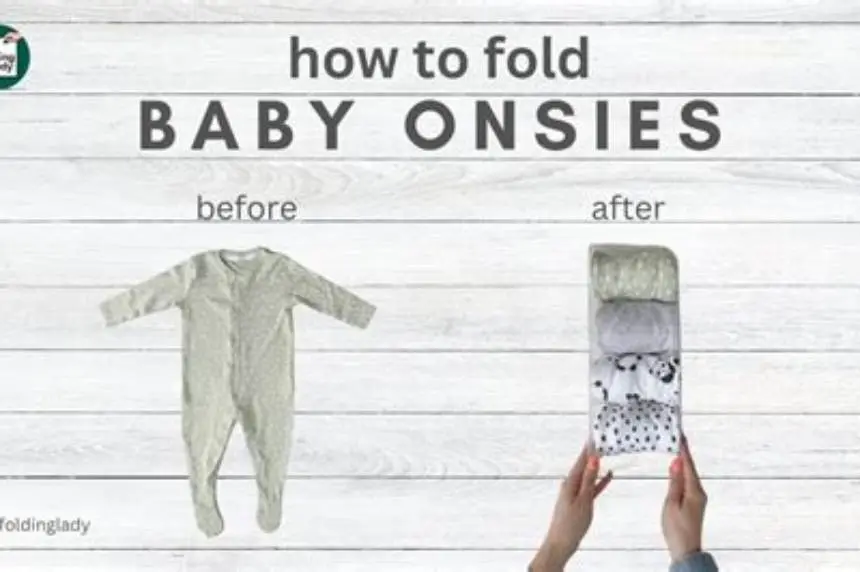
Fold a baby grow by laying it flat, folding sleeves inward, then the legs, and finally folding in half or thirds for compactness. To dress a baby, gently slide arms and legs through the onesie openings, fastening snaps fully to avoid discomfort.
On this page (8 sections)
- Key takeaways
- How to fold baby grows step-by-step
- How to put a onesie on a baby safely and easily
- Choosing the right size baby grow and onesie for comfort
- How to store folded baby grows to save space and keep them fresh
- How to fold baby grows neatly
- Common mistakes when folding and dressing baby grows and how to avoid them
- Questions people still ask
Part of our guide on safe milk warming without kitchen
Learn the exact, practical steps to fold baby grows neatly and dress your baby in onesies with ease and safety.
| Folding steps | 5 main moves |
|---|---|
| Onesie snaps | All fastened |
| Folded size | Usually 8-12 inches |
| Baby age range | 0-12 months typical |
| Folding time | Under 2 minutes |
Key takeaways
- Fold baby grows flat and compact by folding sleeves and legs inward.
- Dress babies by supporting their head and moving limbs gently.
- Snap all fasteners to ensure comfort and avoid loose fabric.
- Store folded grows in a drawer or organizer for space-saving.
- Choose the right size onesie for easy dressing and comfort.
How to fold baby grows step-by-step
Start by laying the baby grow flat on a clean, smooth surface with the front side facing up. Smooth out any wrinkles or creases with your hands to make folding easier and neater. Keep in mind that the folded size depends on the baby grow's size and material but usually ends up around 8 to 12 inches in length.
Next, fold the sleeves inward along the shoulder seams so they lie flat over the body. This step reduces bulk and keeps the fold compact. Then fold the legs upward toward the body, matching the length of the folded sleeves to keep the grow uniform in width.
After folding the sleeves and legs, fold the baby grow in half or thirds depending on its length. Folding in thirds results in a smaller, more compact fold suitable for tight storage spaces. The way you fold also depends on your storage method—whether drawer stacking or using organizers.
Compact folding prevents unnecessary bulk, making it easier to store multiple baby grows without creating clutter. If you plan to travel or need to pack multiple items, this technique saves significant space.
Finally, stack folded baby grows by size and type to speed up finding the right garment. Organize by sleeve length or season if you have enough pieces. This systematic folding and storage approach reduces time spent on daily dressing routines.
- Lay baby grow flat, front side up.
- Fold sleeves inward along seams.
- Fold legs up to match sleeves.
- Fold entire grow in half or thirds.
- Stack or store flat in drawer or organizer.

Kids Clothes Folding Board 2-Pack
The folding board is 15.75 inches wide, fitting well within the approximately 12-15 inches needed to fold baby grows neatly.
How to put a onesie on a baby safely and easily
Before starting, ensure the onesie is the right size: too tight restricts movement; too loose risks fabric bunching. Lay the onesie open on a flat surface with snaps or fasteners unbuttoned completely. Position the baby on your lap or changing table with head supported securely.
Slide one arm gently through the corresponding sleeve opening, supporting the baby's wrist and elbow during the process to avoid strain. Repeat with the other arm. Next, lift each leg carefully and guide it through the leg holes, holding the baby's ankle and knee. This reduces fuss and prevents injury.
Pull the onesie fabric up over the baby's torso slowly, keeping hands and feet free to avoid sudden movements. Once the onesie is fully on, fasten all snaps or buttons from the bottom upwards. Fastening completely prevents loose fabric that could irritate the baby's sensitive skin or pose a choking hazard.
Check the fit after dressing; the onesie should allow room for movement without sagging. If the baby appears uncomfortable or the onesie bunches excessively, try adjusting or changing to a better-fitting size. Dressing with care reduces stress for both you and the baby.
Practice makes this process quicker and calmer. Using a soft cotton onesie can reduce friction and skin irritation during dressing. Avoid materials that cling or irritate to keep your baby comfortable throughout the day.
- Lay onesie flat, snaps undone.
- Support baby’s head and slide one arm in.
- Repeat for other arm.
- Guide each leg through leg holes gently.
- Pull onesie over torso.
- Fasten all snaps fully.
- Check fit for comfort.
Choosing the right size baby grow and onesie for comfort
Babies grow fast, so choosing the right size for baby grows and onesies is critical for comfort and safety. Sizes usually run from newborn to 12 months, often categorized by weight and length ranges. Check the garment’s size label and match it to your baby’s current measurements to avoid sizing errors.
Too small sizes restrict movement, tighten fabric against the skin, and can cause red marks or discomfort. Conversely, sizes too large cause fabric to bunch or wrinkle, possibly leading to overheating or accidental bunching around limbs.
Material choice also matters: cotton is breathable and soft, ideal for sensitive baby skin. Some materials shrink slightly in laundry, so expect a 5-10% size variance after washing. Planning ahead by buying one size larger can save time and money.
If your baby has special needs like sensitive skin or eczema, opt for organic cotton or hypoallergenic fabrics. These reduce irritation and are less likely to cause allergic reactions compared to synthetic blends.
Finally, consider seasonality: thicker baby grows for cold weather and lighter onesies for warmer climates enhance comfort and safety. Layering can also help you adjust to temperature changes throughout the day.
How to store folded baby grows to save space and keep them fresh
Store folded baby grows in a dry, clean drawer or container to protect them from dust and moisture. Avoid plastic bags that trap humidity, which can cause mildew. Use breathable fabric organizers or drawer dividers to separate sizes and seasons for easy access.
Stack folded grows horizontally to avoid creasing. Vertical stacking can lead to wrinkles and makes it harder to see the grows at the bottom. Use shallow containers if your drawer is deep to keep the stacks manageable and avoid piling them too high.
If space is limited, consider using vacuum storage bags designed for clothing. Compressing baby grows reduces volume by about 40-60%, but be sure to store in a temperature-controlled area to prevent fabric damage.
Rotate baby grows periodically when stored for longer periods. This prevents fabric from yellowing and keeps clothes smelling fresh. Including a small sachet of natural lavender or cedar can help repel moths without harsh chemicals.
Label storage bins or drawer sections with sizes or types to speed up your morning routine. Clear visibility reduces the chance of pulling out multiple items and creating clutter.
How to fold baby grows neatly
Folding baby grows neatly means reducing bulk and avoiding wrinkles for easier storage and quicker dressing. Follow the folding steps precisely: flat layout, sleeve fold, leg fold, then final fold. Each fold halves or thirds the garment, so compactness depends on the exact fold method.
For long-sleeve baby grows, folding sleeves completely inward avoids sleeve ends sticking out and catching on other items. For short-sleeve grows, fold sleeves halfway to maintain shape while saving space.
Using a folding board or a hard flat surface can improve uniformity in fold size. While not essential, these tools help especially if you fold large quantities regularly.
Avoid folding over thick layers like snaps or zippers as they can cause lumps. Instead, tuck those areas inside the folds for a smoother finish. This also prevents discomfort spots when stacking or packing.
Neat folding reduces drawer mess and makes it easier to grab the right baby grow without unfolding multiple pieces. This saves time during busy mornings or late-night changes.
Common mistakes when folding and dressing baby grows and how to avoid them
A frequent mistake when folding baby grows is trying to fold too quickly and skipping smoothing out wrinkles. This leads to creased fabric, which can irritate the baby's skin and look untidy in storage.
Another error is leaving snaps partially fastened when storing, which can catch on other clothes or damage the snaps themselves. Always open snaps fully during folding and fasten only after dressing.
When dressing, many parents pull the onesie too hard or rush limb insertion, causing fussiness or minor injury. Support each limb carefully and take your time for a calm experience.
Choosing the wrong size is a recurring issue: too small and the baby struggles; too large and the fabric bunches. Measure your baby regularly to avoid this. Some brands run small or large, so try samples when possible.
Finally, failing to check for loose threads or damaged snaps can be a safety hazard. Inspect each baby grow regularly and repair or discard damaged items immediately.
- Rushing fold - causes wrinkles and bulk
- Partial snap closure - damages snaps and other clothes
- Rough dressing - irritates or injures baby
- Wrong size selection - discomfort and difficulty
- Ignoring damage - safety risk
Questions people still ask
Can I fold baby grows when they are damp?
Folding damp baby grows is not recommended. Moisture trapped in folds fosters mildew and odors. Always ensure garments are fully dry before folding to maintain freshness and fabric integrity.
How tight should the snaps on a baby grow be when fastened?
Snaps should be fully closed without excess strain on fabric. If you must force snaps, the size is likely too small. A comfortably fitted baby grow allows snapping without pulling on the material.
Is it better to fold baby grows in half or in thirds?
Folding in thirds yields a smaller folded size, ideal for tight storage. Folding in half is quicker and suitable for larger drawers. Choose based on your storage space and convenience.
How often should I check if baby grows still fit my baby?
Babies grow rapidly; checking size every 4-6 weeks is reasonable. Frequent measurement reduces frustration and keeps your baby comfortable.
Are there tools that help fold baby grows more neatly?
Yes, folding boards designed for clothing can make folds more consistent and compact. They save time if you fold many garments regularly, but are not essential.