How to install a booster seat with LATCH anchors step by step
Step-by-step instructions for installing booster seats with LATCH anchors, including compatibility checks and common installation mistakes to avoid.
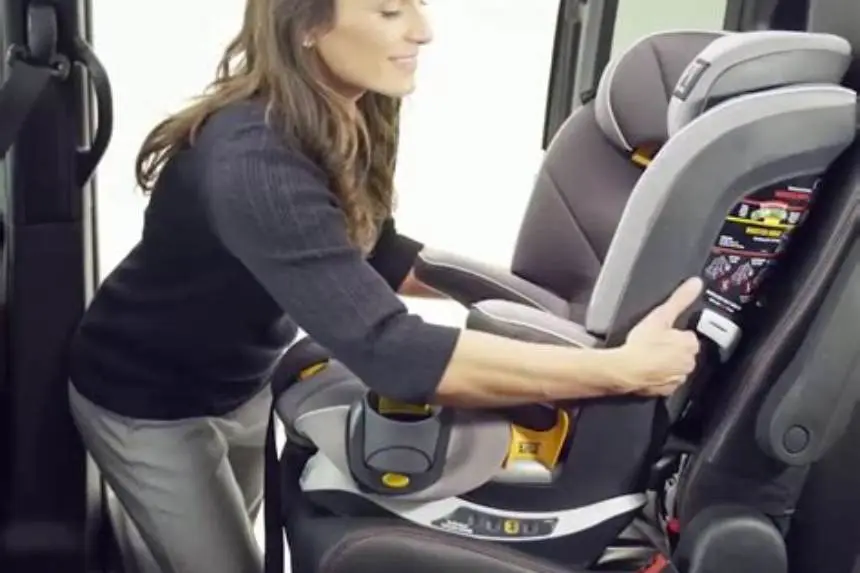
Thread the LATCH connectors through the booster's belt path, attach them to the lower anchors in your vehicle seat, pull the strap tight until the booster doesn't shift more than an inch, then buckle your child in with the vehicle seat belt.
On this page (8 sections)
- The short version
- What the LATCH system does on a booster seat
- Which booster seats support LATCH installation
- Finding and using LATCH anchors in your vehicle
- How to install a booster seat with LATCH anchors step by step
- Common installation mistakes and how to avoid them
- Checking that the booster is properly secured after installation
- Questions people still ask
Part of our guide on rear facing car seat base options
Most booster seats don't use LATCH at all, and the ones that do work differently than you'd expect from installing a harnessed car seat.
| LATCH weight limit | Usually 65 lb total, check vehicle manual |
|---|---|
| Movement allowed | Less than 1 inch at belt path |
| Primary restraint | Vehicle seat belt, not LATCH |
| Backless LATCH support | Rare, most don't have it |
| Installation time | 3-5 minutes once familiar |
The short version
- Most backless boosters and many high-back boosters don't support LATCH at all: the vehicle belt holds the child, not the booster
- LATCH on a booster keeps the seat in place when empty, not during a crash; your child still needs the vehicle seat belt
- Check your vehicle's LATCH weight limit, which includes your child's weight plus the booster's weight
- Thread LATCH connectors through the booster's belt path before attaching them to the vehicle anchors
- A properly installed booster shouldn't move more than an inch side-to-side or front-to-back at the belt path
What the LATCH system does on a booster seat
LATCH on a booster works completely differently than on a rear-facing or forward-facing harnessed seat. The vehicle seat belt restrains your child during a crash, not the LATCH connectors. LATCH just keeps the booster from flying around the cabin when no child is sitting in it: when you brake hard or get rear-ended with an empty back seat. That's it.
This confuses parents who installed infant seats and convertibles with LATCH. Those seats use LATCH as the primary restraint because the seat's five-point harness holds the child. A booster has no harness. Your child sits in the booster and wears the vehicle seat belt, which does all the crash-protection work. LATCH is a convenience feature that keeps the booster in place between school runs.
Most booster seats skip LATCH entirely. The vehicle belt holds the child, so there's no safety reason to anchor the booster itself. Makers add LATCH to high-back boosters as a parent-friendly feature: it stops the booster from tipping over when you're buckling a squirmy five-year-old. If your booster doesn't have LATCH, that's normal and safe.
The LATCH weight limit matters here in a new way. Your vehicle manual lists a maximum weight for the LATCH anchors, usually 65 pounds total. That's the weight of the booster plus the child. A 10-pound booster and a 55-pound child hit the limit. Once your child outgrows the LATCH limit, you stop using LATCH but keep using the booster with the seat belt alone. Check your vehicle manual for the exact figure: some older vehicles stop at 40 or 48 pounds, and a few newer ones go to 80. The other half of this decision is soothing infant in car seat.
Which booster seats support LATCH installation
High-back boosters sometimes have LATCH. Backless boosters almost never do. The difference comes down to structure. A high-back booster has a rigid frame with a headrest and side wings, so the maker can build in lower LATCH connectors and a strap that routes through the seat's belt path. A backless booster is a thin cushion with no frame to anchor anything to.
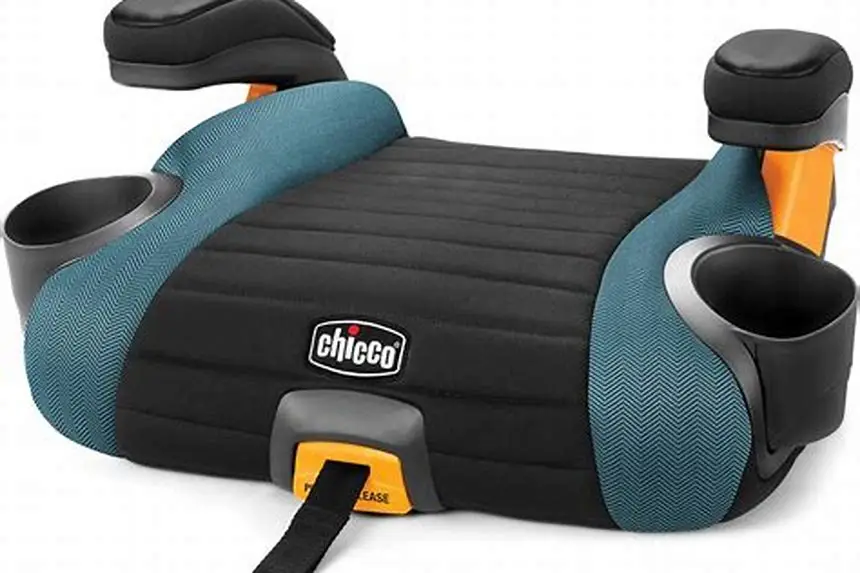
Popular high-back boosters with LATCH include the Graco TurboBooster, Chicco KidFit, Britax Grow With You, and Evenflo Spectrum. Each has lower LATCH connectors that clip into your vehicle's anchors and a tether strap or rigid connector that you thread through the booster's belt path. Read the booster's manual before you buy: some models in a product line have LATCH and others don't.
Backless boosters rarely offer LATCH because they're designed to be portable and lightweight. Parents move them between vehicles or toss them in the trunk for carpool duty. Adding LATCH hardware makes the booster heavier and more expensive without improving crash safety. If you need LATCH to keep the booster stable, choose a high-back model. There is more on how to install isofix base in a separate guide.
Some combination seats work as a harnessed seat and then convert to a booster. When you use the five-point harness, LATCH or the vehicle seat belt restrains the seat itself, and the harness restrains the child. When you remove the harness and switch to booster mode, LATCH changes roles: it just holds the empty booster in place, and the vehicle seat belt restrains the child. The manual will tell you whether LATCH is still allowed in booster mode and what the weight limit is.

Chicco KidFit ClearTex Plus 2-in-1 Belt-Positioning Booster Car Seat
Handles your need for a LATCH-compatible high-back booster seat with premium LATCH connectors and quick-release LATCH for easy transfer.
Finding and using LATCH anchors in your vehicle
LATCH anchors are metal bars hidden in the crack between the vehicle seat bottom and seat back. Most vehicles have two sets of lower anchors in the back seat: one set in each outboard position. The center seat usually has no anchors unless you drive a vehicle with three rows. Run your hand into the crack until you feel a metal bar about as thick as a marker. That's the anchor.
Some vehicles mark the anchor locations with a small tag showing the LATCH symbol: a circle with an anchor icon. Others have nothing visible, so you're hunting by feel. If you can't find the anchors, check your vehicle manual. It will show you exactly where they are and which seating positions support LATCH. Never assume the center seat has anchors just because the outboard seats do. If that sounds like your situation, read up on backless booster car seat with latch next.
The top tether anchor is not used with booster seats. It's a metal loop or bar on the back of the vehicle seat or on the rear shelf, and it's only for forward-facing harnessed seats. When a child sits in a booster and wears the vehicle seat belt, the tether serves no purpose. Some parents see the tether and try to use it with a booster, which just adds confusion. Leave it alone.
LATCH weight limits vary by vehicle, not by booster. A 2015 sedan might allow 65 pounds total on the LATCH anchors. A 2010 SUV might stop at 48 pounds. A 2023 minivan might go to 80 pounds. The figure includes the booster's weight and your child's weight together. Once you hit the limit, you stop using LATCH and let the booster sit loose: it's legal and safe because the seat belt restrains your child, not the anchors. Check the placard on the vehicle's doorframe or the child restraint section of your owner's manual for the exact limit.
- Outboard positions: almost always have lower LATCH anchors, marked or unmarked
- Center position: usually no anchors unless the vehicle has three rows or a newer design
- Top tether: not used with boosters, only with forward-facing harnessed seats
How to install a booster seat with LATCH anchors step by step
Start by placing the booster on the vehicle seat where you want it, usually an outboard position. Don't attach anything yet. Make sure the booster sits flat and the vehicle seat back is upright, not reclined. A reclined seat back changes the angle of the seat belt and reduces protection. For the detail, see our notes on guide to lower anchor weight limits.
Locate the LATCH connectors on the booster. They're usually clipped to the back of the seat or tucked into a pocket on each side of the base. Pull them out and check that the straps aren't twisted. Twisted straps won't tighten evenly.
Thread each LATCH connector through the booster's belt path: the gap where the vehicle seat belt would normally route through. Most high-back boosters have a slot or guide on each side of the seat bottom. Follow the arrows or labels in your booster's manual. The connectors must pass through the belt path before you attach them to the vehicle anchors, or you'll trap the booster in a way that prevents the vehicle belt from routing correctly.
Push each connector into the vehicle's lower anchor until you hear or feel a click. Tug on the connector to confirm it's latched. If it pulls out, it didn't click fully.
Pull the adjustment strap on the LATCH connector to tighten the booster against the vehicle seat. Use your body weight: push down on the booster with one hand and pull the strap with the other. The booster should not move more than one inch side-to-side or front-to-back at the belt path. If it slides around, tighten the strap more or check that the connectors are fully latched.
Put your child in the booster and buckle the vehicle seat belt across them. The lap belt must lie low across the tops of their thighs, and the shoulder belt must cross the middle of their chest and shoulder. Adjust the booster's belt guides or headrest to position the shoulder belt correctly. The vehicle seat belt is what restrains your child, not the LATCH system.
- Place the booster on the vehicle seat in the outboard position
- Locate the LATCH connectors on the booster and untwist the straps
- Thread each connector through the booster's belt path
- Attach each connector to the vehicle's lower anchor until it clicks
- Tighten the adjustment strap, pushing down on the booster as you pull
- Check that the booster moves less than one inch at the belt path
- Buckle your child in with the vehicle seat belt
Common installation mistakes and how to avoid them
The most common mistake is thinking LATCH replaces the seat belt. It doesn't. Your child must wear the vehicle seat belt every time, even when the booster is anchored with LATCH. The belt is the primary restraint. LATCH just keeps the booster from moving when your child isn't sitting in it.
Parents often skip threading the LATCH connectors through the booster's belt path. They attach the connectors directly to the vehicle anchors and pull the booster tight, which looks secure but blocks the vehicle seat belt from routing correctly. The belt has to pass through the same slots as the LATCH straps, or it won't position correctly across your child's body. If you can't thread the vehicle belt after installing LATCH, you did it wrong.
Another mistake is using LATCH past the weight limit. The limit is in your vehicle manual, not the booster manual, and it includes the child's weight plus the booster's weight. A 10-pound booster and a 60-pound child together weigh 70 pounds, which exceeds the typical 65-pound limit. When you hit the limit, disconnect LATCH and use the seat belt alone. The booster will slide around when empty, but it's safe because the belt restrains your child during a crash.
Some parents try to use the center-seat LATCH anchors for an outboard booster, thinking more anchors mean more safety. Don't. Each pair of anchors is load-rated for one seat. Mixing anchor sets weakens the attachment and can damage the vehicle structure. Use only the anchors directly behind the seating position where the booster sits.
A less obvious mistake is installing a booster with LATCH in a vehicle seat that reclines too much. Boosters need an upright seat back so the vehicle belt crosses the child's chest at the correct angle. If the vehicle seat back leans way back, the shoulder belt will slide off your child's shoulder or cut across their neck. Adjust the vehicle seat back to its most upright position before you install the booster.
- Skipping the seat belt: LATCH doesn't replace it, your child must be buckled in every time
- Not threading LATCH through the belt path: blocks the seat belt from routing correctly
- Exceeding the weight limit: check vehicle manual and add booster weight plus child weight
- Borrowing center anchors for outboard seats: each anchor pair is rated for one seat only
- Installing on a reclined seat back: booster needs an upright angle for proper belt fit
Checking that the booster is properly secured after installation
Grab the booster at the belt path (the spot where the vehicle seat belt would thread through) and push it side-to-side and front-to-back. It should not move more than one inch in any direction. If it slides farther, the LATCH straps are too loose. Tighten the adjustment strap and test again.
Check that both LATCH connectors are fully latched to the vehicle anchors. Tug on each connector. If one pulls out, it didn't click into place. Detach it, push it back onto the anchor until you hear a solid click, and test again. A half-latched connector can pop off during a sudden stop.
Confirm that the LATCH straps aren't twisted. A twisted strap looks tight but doesn't distribute load evenly and can fail under stress. If you see a twist, disconnect the LATCH, straighten the strap, and reattach.
Put your child in the booster and buckle the vehicle seat belt. Check the belt position. The lap belt must lie flat across the tops of your child's thighs, not riding up on their belly. The shoulder belt must cross the middle of their chest and shoulder, not cutting into their neck or sliding off their shoulder. If the belt doesn't fit right, the booster is the wrong size for your child or you need to adjust the booster's headrest and belt guides.
Take a short test drive around the block and check the booster again. Sometimes a booster feels tight in the driveway but shifts once the vehicle is moving. If it slides during the test drive, pull over, tighten the LATCH straps, and check that the connectors are still latched.
Recheck the installation every few weeks. LATCH straps can loosen over time as your child climbs in and out of the booster. If you notice the booster moving more than an inch, tighten the straps. This takes ten seconds and keeps the booster stable.
Questions people still ask
Can you install a backless booster with LATCH?
Most backless boosters don't have LATCH hardware because they're designed to be lightweight and portable. A few models offer LATCH, but it's rare. Check the booster's manual to see if lower LATCH connectors are included. If not, the booster sits loose on the vehicle seat, and the vehicle seat belt restrains your child: that's normal and safe.
What happens if I exceed the LATCH weight limit on a booster?
Stop using LATCH once the combined weight of your child and the booster exceeds the vehicle's LATCH limit, usually 65 pounds. Let the booster sit loose on the vehicle seat and buckle your child in with the seat belt. The booster will slide around when empty, but it's safe because the seat belt restrains your child during a crash, not the LATCH system.
Do I need to use LATCH on a booster if my car has it?
No. LATCH on a booster is optional. It keeps the booster in place when empty, which is convenient but not required for safety. The vehicle seat belt restrains your child, not the LATCH anchors. If your booster has LATCH and your vehicle supports it, use it for convenience. If not, the booster works just as safely without it.
Can I install a booster with LATCH in the center seat?
Only if the center seat has its own pair of LATCH anchors. Most vehicles don't have center-seat anchors. Check your vehicle manual to see which seating positions support LATCH. Never use the left and right outboard anchors for a center booster: each anchor pair is rated for one seat, and mixing them weakens the attachment.
How often should I check the LATCH installation on a booster?
Check it every few weeks, or any time the booster feels loose. Kids climbing in and out of the booster can loosen the LATCH straps over time. Grab the booster at the belt path and push it side-to-side. If it moves more than an inch, tighten the adjustment strap. This takes less than a minute.