Maxi-Cosi Pria LX vs Pria Max: do you need the booster stage?
Pria LX and Pria Max are product families, not single specifications. Model codes, production years, and markets differ. Match the label on your seat to its manual before comparing limits. Choose the Max only if its verified booster stage fits your child, vehicle, and likely timeline.
On this page (8 sections)
- What matters most
- The Pria LX and Pria Max differ by exact variant
- Your child’s size decides how long either seat lasts
- Some variants use an adjustable headrest and no-rethread harness
- The price gap breaks even only with real booster use
- Small vehicles and newborns expose fit problems
- Installation checks matter more than marketing claims
- Questions people still ask
Part of our guide on rear facing car seat base options
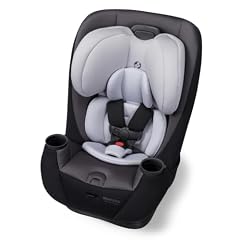
Maxi-Cosi Pria All-in-One Convertible Car Seat
Provides a built-in belt-positioning booster stage rated to 100 lb, covering many children who will later
Check it on AmazonThe numbers
- Rear-facing limit
- Use the exact label and manual for your Pria variant
- Harness limit
- Use the exact label and manual for your Pria variant
- Booster stage
- Present on some Pria Max variants; verify yours
- Harness adjustment
- Some variants include an adjustable headrest and no-rethread harness
- Price check
- Compare identical model codes on one dated worksheet
- Sources
- Use the matching Maxi-Cosi manual and product page
What matters most
- Identify the exact model code and manufacture date before comparing limits.
- Some Pria Max variants include a high-back booster stage; many Pria LX variants do not.
- Booster readiness depends on belt fit and sitting behavior, not weight alone.
- Compare the current price gap with a suitable separate booster.
- Test rear-facing space in your vehicle before buying.
The Pria LX and Pria Max differ by exact variant
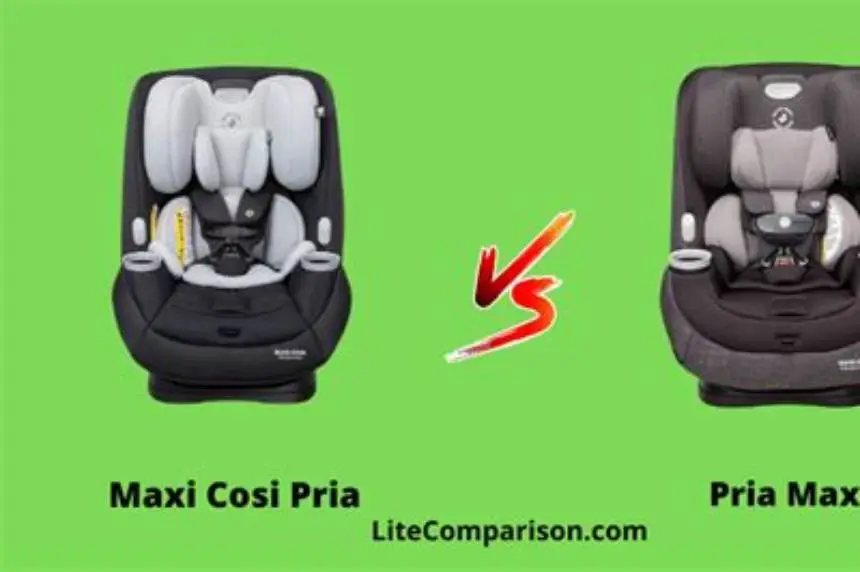
Pria LX and Pria Max names cover multiple U.S. model codes and production years. The model code appears on the seat label, not just the fabric name. Record that code and manufacture date before using a listing or review.
A Pria LX example must come from the manual selected for that exact label. A Pria Max example must come from its own manual. Maxi-Cosi keeps the current manual library at https://www.maxicosi.com/us-en/car-seat-manuals.html. Select the matching product, model code, and revision before relying on any number.
Some Pria Max variants include a high-back booster stage. Some Pria LX variants stop after forward-facing harness use. Treat those as family-level differences, not guarantees for every year or market.
That is the key difference. A built-in booster helps only when your child reaches it at the right time. Before you commit to anything, it is worth looking at car seat protector mat narrow seat.
- Rear-facing: use the harness while the seat faces backward.
- Forward-facing harness: use the seat’s five-point harness.
- High-back booster: use the vehicle belt through the guides when the manual permits it.
| Stage | Pria LX family | Pria Max family |
|---|---|---|
| Rear-facing | Verify the exact label and manual | Verify the exact label and manual |
| Forward-facing harness | Verify the exact label and manual | Verify the exact label and manual |
| High-back booster | Often absent, but verify the variant | Present on some variants; verify the variant |
- shared early-stage design on many variants
- some Max versions continue into booster use
- LX avoids paying for an unused stage
- limits vary across Pria versions
- booster readiness is not weight alone
Maxi-Cosi Pria All-in-One Convertible Car Seat
Provides a built-in belt-positioning booster stage rated to 100 lb, covering many children who will later need a separate booster.
- Height 24.5 inches
- Length 26.0 inches
- Weight 16.5 pounds
Your child’s size decides how long either seat lasts
Harness seats can be outgrown by height before weight. Read the exact standing-height rule, harness-position rule, head-position rule, and weight limit in your manual. Do not use a forward-facing limit from another Pria variant.
Measure standing height against a wall. Weigh your child in ordinary clothing. Compare both results with the label, then check shoulder position and head clearance as the child grows.
A tall child may need more harness room before a booster fits. Sitting maturity matters during tired rides home. Choose the Max when its verified booster stage fills a likely gap. Choose the LX when you already plan a separate booster or another harness seat. We go through latch compatibility for booster seats step by step elsewhere on the site.
- Weigh your child in ordinary clothing.
- Measure standing height against a wall.
- Read the harness and height limits in the matching manual.
- Check whether the next stage will fit after harness use.
- Compare the exact LX and Max labels before buying.
- size-based choice
- helps prevent early booster use
- reveals tall-child problems
- growth is hard to predict
- height limits differ by variant
Some variants use an adjustable headrest and no-rethread harness
Some Pria variants include an adjustable headrest and a no-rethread harness. Check your seat’s label, product page, or matching manual before relying on that feature. The name Pria LX or Pria Max alone is not enough.
Raise the headrest as your child grows, then check shoulder position and strap tension. Rear-facing straps usually sit at or below the shoulders. Forward-facing straps usually sit at or above them. Follow the manual for your seat.
A snug harness passes the pinch test at the collarbone. Remove bulky coats before tightening. Use an insert only when Maxi-Cosi approves it for that exact seat and stage. We go through car seat guidelines for babies step by step elsewhere on the site.
Booster conversion changes the task. Store or remove the harness exactly as directed, then route the vehicle belt through the guides. The belt should cross the chest and rest low on the upper thighs.
- Harness height: adjust it as shoulders rise.
- Pinch test: tight webbing should not fold between your fingers.
- Belt fit: keep the shoulder belt on the chest.
- Coats: remove bulky layers before harnessing.
- simpler adjustment on listed models
- easier seasonal checks
- clear harness checks
- fit still needs regular inspection
- booster conversion requires careful routing
The price gap breaks even only with real booster use
Use one dated worksheet. On the same day, record the exact model code, SKU, color, manufacture date if shown, item price, shipping, tax, return period, and restocking fee for the LX and Max. Save a screenshot of each listing with the date visible.
Compare the same condition and model generation. Do not compare a clearance LX with a current Max unless you record that difference. Calculate landed cost as item price plus shipping plus tax. Subtract the LX landed cost from the Max landed cost.
Record the landed price of a suitable separate high-back booster. If the Max premium exceeds that booster price, the LX plus separate booster costs less. If your child may never use the Max booster, do not pay for it as insurance.
A separate booster can help grandparents or a second vehicle. The Max may be convenient, but a large convertible can be awkward after harness use ends.
| Calculation | What to record |
|---|---|
| Max landed cost minus LX landed cost | Premium for the verified same-generation Max |
| Separate booster landed cost | Price, shipping, tax, and return terms |
| Max premium below booster cost | Max may save money if your child uses it |
| Max premium above booster cost | LX plus booster may cost less |
- may avoid a later purchase
- one familiar seat
- useful for long ownership
- price gap changes often
- Max may be heavier than a dedicated booster
- unused features still cost money
Small vehicles and newborns expose fit problems
A newborn needs a snug harness, correct recline, and an approved insert. A printed minimum does not guarantee a good newborn fit. Follow the matching manual and never add an aftermarket cushion.
Rear-facing convertibles can take front-to-back space. Test the intended position with the permitted recline. Check front-seat clearance and passenger comfort before buying.
LATCH uses vehicle lower anchors. It is not automatically safer than a seat-belt installation. Follow both manuals, including any anchor-weight rule. Use the top tether whenever the seat instructions require it.
A correctly installed LX is better than a poorly fitted Max. Ask about returns before opening the box.
- Newborn fit: check harness snugness and insert instructions.
- Front clearance: test the actual vehicle position.
- LATCH: follow both manuals and anchor limits.
- Tether: use it whenever required.
- convertible from infancy
- multiple recline positions
- LATCH or seat-belt installation
- may consume front-to-back space
- newborn fit varies
- vehicle rules differ
Installation checks matter more than marketing claims
Use the exact Maxi-Cosi manual for installation. The manual library is https://www.maxicosi.com/us-en/car-seat-manuals.html. NHTSA guidance is available at https://www.nhtsa.gov/vehicle-safety/car-seats-and-booster-seats.
Use the movement test stated in your manual. Hold the seat at the installed belt path, not the shell top, and move it side to side and front to back. Record the manual’s exact inch value rather than borrowing a value from another Pria model. If the manual gives a one-inch test, use that method and value. If it gives different instructions, follow those instead.
Check the harness, buckle, shell, cover, inserts, recline, and tether. Marketing language does not replace correct installation or a good child fit.
Used seats need extra care. Unknown crash history, missing parts, or an unreadable label should end the purchase.
- Find the model number on the seat label.
- Find the manufacture date and expiry information.
- Download the manual matching that model code.
- Search recalls at https://www.maxicosi.com/us-en/recalls.html.
- Install with the seat and vehicle manuals, then perform the specified belt-path movement test.
- clear physical checks
- manufacturer instructions are available
- recall status can be verified
- manuals vary by model
- used history may be unknowable
Choose the Pria Max when its verified booster stage fills a likely need. Choose the Pria LX when you plan a separate booster or another harness seat. Do not buy the Max solely for a booster unless its limits and belt fit suit your child.
Questions people still ask
Is the Pria Max safer than the Pria LX?
Not automatically. Both require correct installation, harness fit, direction, and vehicle compatibility. The booster stage is a convenience feature, not proof of better crash protection.
Can a four-year-old use the Pria Max as a booster?
Read the exact manual, then check belt fit and behavior. A child who slouches, leans, or moves the belt needs the harness stage longer.
Does the Pria LX need a separate booster later?
Often, yes, if your child outgrows its harness before an adult belt fits properly. Confirm your model and compare dedicated booster options.
Can I install either seat with a seat belt instead of LATCH?
Follow the exact seat and vehicle manuals. Do not combine LATCH and the belt unless Maxi-Cosi permits it. Use the top tether when required.
What should I check on a used Pria?
Check the model code, manufacture date, expiry, recall status, crash history, harness, buckle, shell, cover, inserts, and instructions. Reject unknown history or missing labels.