
How to install an ISOFIX base that fits your infant seat and two cars
Step-by-step guide on installing an ISOFIX base, managing multiple bases, and understanding compatibility with infant seats and SUVs.
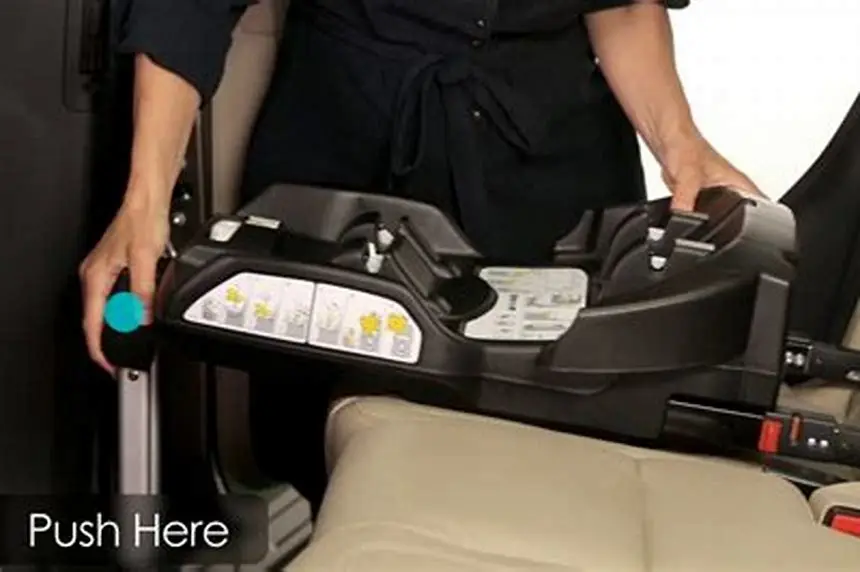
Install an ISOFIX base by first checking your car’s anchor points and base compatibility with your infant seat model. Attach the base to ISOFIX anchors until it clicks. Confirm stability with the support leg or top tether. Repeat for the second car using the same steps.
On this page (8 sections)
- The short version
- How to install an ISOFIX base safely in two cars
- ISOFIX base FamilyFix 3 compatibility with infant seats
- ISOFIX vs LATCH anchors for two car seats in SUVs
- Infant car seat with multiple bases for two cars
- Common installation mistakes to avoid with ISOFIX bases
- How to install an ISOFIX base that fits your infant seat and two cars
- Questions people still ask
Part of the guide: Which twin stroller fits two infant car seats side-by-side
Clear, practical steps for installing ISOFIX bases that fit your infant seat and two cars, with compatibility tips and SUV anchor differences.
| ISOFIX anchor spacing | 280-350 mm |
|---|---|
| Base install force | click and pull test |
| Support leg gap | 0-30 mm from floor |
| Top tether tension | firm, no slack |
| FamilyFix 3 weight limit | up to 13 kg |
| Base usability | fits one infant seat model |
The short version
- Check ISOFIX anchor availability in both cars before buying a base.
- Match the ISOFIX base model exactly to your infant seat for safety.
- Use a support leg or top tether to secure the base firmly.
- Install and test the base in each car separately for sound fit.
- Know the limits of ISOFIX vs LATCH anchors in SUVs for two seats.
How to install an ISOFIX base safely in two cars
First, confirm both cars have ISOFIX anchor points, which are metal loops located between the seat cushion and backrest. They usually measure between 280 and 350 millimeters apart. Check your car manuals to verify availability.
Place the ISOFIX base on the car seat and push the ISOFIX connectors into the anchor points until they click. You will usually hear two clicks, one on each connector. Pull gently to confirm they lock.
Adjust the base’s support leg so it rests firmly on the car floor. The gap between the support leg and floor should be no more than 30 millimeters. This stops the base from tilting in a crash.
If your base uses a top tether strap, fasten it to the car’s tether anchor point behind the seat. Tighten the strap until it feels firm with no slack. This reduces forward rotation in a collision.
Test the whole setup by grabbing the base firmly and trying to move it. It should not move more than 2.5 centimeters side to side or front to back.
- Check both cars for ISOFIX anchor points in rear seats.
- Position the base and connect ISOFIX clips until they click.
- Adjust support leg so it touches the floor firmly.
- Attach and tighten top tether if applicable.
- Test for secure fit by trying to move the base.
ISOFIX base FamilyFix 3 compatibility with infant seats
The FamilyFix 3 ISOFIX base fits specific infant car seats, mostly from the same manufacturer. Check your infant seat manual to confirm compatibility.
FamilyFix 3 supports infant seats up to 13 kilograms, which covers most newborns until about 12-15 months. Beyond this, switch to a convertible seat that fits your child’s size.
Compatibility is crucial. Using an incompatible base risks incorrect locking or poor safety performance during a crash. The base and seat locking mechanisms must align perfectly.
If you have twins or two children with two infant seats, each seat needs its own compatible base. FamilyFix 3 bases are not interchangeable with older FamilyFix models or bases from other brands.
| Infant Seat Model | Max Weight (kg) | Compatible Base Type |
|---|---|---|
| Brand A i-Size 0+ | 13 | FamilyFix 3 |
| Brand A Older Infant Seat | 13 | Not compatible |
| Brand B Infant Seat | 13 | No |
| Brand A Convertible Seat | 18 | No |

Car Seat Latch Anchor Kit
Fits older cars without built-in ISOFIX anchors by converting latch anchors, requires gap ≥13 inches wide and rear seat back folding for installation
ISOFIX vs LATCH anchors for two car seats in SUVs
ISOFIX anchors are standardized metal loops fixed to the car’s frame, offering a rigid connection for car seats. LATCH anchors, common in US vehicles, serve a similar purpose but can vary slightly in strength and layout.
SUV rear seats often have wider spacing or less accessible anchor points. ISOFIX tends to be easier to install securely when you have two car seats side by side, thanks to firm rigid connectors.
LATCH straps require manual tightening and may loosen over time. This can be tricky with two seats next to each other, as strap routing can interfere. ISOFIX’s rigid system usually yields better repeatable installs.
Some SUVs limit the number of LATCH sets usable simultaneously, while ISOFIX bases rarely face this restriction. Check your SUV manual for anchor limits before planning for two seats.
You might find that one seat uses ISOFIX while the other depends on LATCH or seat belts. This hybrid setup is common but demands extra care to check each seat’s installation tightness before every trip.
| Feature | ISOFIX | LATCH |
|---|---|---|
| Anchor Type | Rigid metal loops | Metal loops with webbing straps |
| Installation Ease | Click-fit, rigid | Manual strap tightening |
| Fit for Two Seats | Better spacing control | Potential strap interference |
| Anchor Limits per Seat | Usually no limit | May limit two sets |
| Maintenance | Minimal | Check strap tension regularly |
Infant car seat with multiple bases for two cars
If you use one infant car seat for two cars, consider buying a separate ISOFIX base for each car. This saves time and reduces wear from repeatedly installing and removing one base.
Each base must be compatible with your infant seat model and the specific car’s ISOFIX anchors. Not all bases fit all cars equally due to anchor spacing or seat shape.
Using two bases avoids installation errors caused by frequent removal and reinsertion. It keeps the seat stable and safe in both vehicles without the risk of forgetting to tighten the base properly.
Bases add weight and cost, and require extra storage space. Measure the rear seats to confirm enough room for your chosen base in both cars.
Label or color-code each base to avoid mix-ups, especially important when you have twins or multiple child seats.
- Two bases: faster transfers between cars, less installation error risk.
- Check fit: verify anchor spacing and seat shape in both cars.
- Label bases: avoid mismatching bases with the wrong vehicle.
Common installation mistakes to avoid with ISOFIX bases
Not checking for a tight fit is the top cause of unsafe ISOFIX installations. Always push the base firmly until you hear both connectors click and test by pulling slightly. If it moves more than 2.5 centimeters, reinstall.
Ignoring the support leg or top tether can cause the base to lean too far or shift in a crash. Adjust these correctly every time and never use a base designed without them unless your car manual states it is safe.
Using incompatible infant seats and bases is a major safety risk. Confirm your seat and base model numbers match the manufacturer’s compatibility list before buying or installing.
Installing the base in the wrong seat position can reduce safety. Rear center seats often have better protection but may lack ISOFIX anchors. Side seats may have anchors but less crash protection in some vehicles.
For two children, try installing both seats simultaneously in your car before travel to ensure fit and clearance, especially in tight rear seats.
How to install an ISOFIX base that fits your infant seat and two cars
Start by confirming the ISOFIX anchors exist in both your cars’ rear seats. Measure the distance between anchors to make sure both can fit the same base model. This distance typically ranges from 280 to 350 millimeters but varies slightly by manufacturer.
Choose an ISOFIX base model compatible with your infant car seat. For example, the FamilyFix 3 base fits specific infant seats up to 13 kilograms. Verify compatibility with your infant seat’s manual or manufacturer website.
Install the base in the first car by pushing the ISOFIX connectors into the anchor points until they audibly click. Adjust the support leg or top tether for a firm and stable fit. Perform the pull test to check stability.
Repeat the installation process in the second car with the same base if it fits. If not, purchase a second compatible base for the other vehicle to avoid repeated removal stress and installation errors.
Keep the base in place to avoid repeated installs. When transferring your infant seat between cars, simply click it onto the base. This quick-snap system cuts down time and errors when managing two cars.
Regularly check each base’s installation. Over time, vibration and use can loosen connections. Tighten or readjust the support leg or tether strap as needed to keep your infant seat secure.
- Confirm ISOFIX anchors and spacing in both vehicles.
- Select a compatible ISOFIX base for your infant seat.
- Install and secure the base in the first car.
- Perform the pull test and support leg adjustment.
- Repeat installation in the second car or buy a second base.
- Transfer the infant seat by clicking it onto each base.
Questions people still ask
Can I use the FamilyFix 3 base with any infant car seat?
No. The FamilyFix 3 base only fits specific infant seat models from the same brand. Check the manufacturer’s compatibility list before purchase to ensure your infant seat locks securely onto the base.
Is ISOFIX better than LATCH for two car seats in an SUV?
ISOFIX generally provides a more secure and repeatable installation with rigid connectors, especially for two seats side by side. LATCH uses straps that can loosen or interfere with adjacent seats, but both systems meet safety standards.
Do I need two ISOFIX bases if I have two cars?
Yes. Using one base per car prevents errors and wear from frequent removal. Each base must be compatible with your infant seat and fit the car’s anchor spacing and seat shape.
How do I check if my ISOFIX base is installed correctly?
After installation, pull the base firmly to make sure it moves less than 2.5 centimeters. The connectors should click audibly when attached. Also, adjust the support leg or tether strap until firm against the floor or anchor.
Can I install an ISOFIX base in the rear middle seat?
Only if your car has ISOFIX anchors in that position. Many cars lack anchors in the middle rear seat, so check your vehicle manual. If unavailable, install the base in a side seat with ISOFIX anchors.