When can you safely put sunscreen on your baby
You should apply sunscreen only on babies older than 6 months; for younger infants, rely on shade and protective clothing like SPF swim shirts designed to fit at 3 months. Sunscreen use before 6 months is not recommended due to delicate skin sensitivity.
On this page (8 sections)
- What matters most
- When can you put sunscreen on a baby
- Can you put sunscreen on a 3-month-old baby
- Will SPF swim shirts fit a 3-month-old baby
- How to protect babies under 6 months from sun
- How to safely apply sunscreen on babies 6 months and older
- Choosing sun protection gear for your baby
- Questions people still ask
Part of our guide on shampoos for sensitive skin
The numbers
- Minimum age for sunscreen
- 6 months
- Recommended SPF
- 30+
- SPF swim shirt fit age
- 3 months
- UV exposure method for <6 months
- shade and clothing
- Sunscreen reapplication
- every 2 hours
What matters most
- Do not put sunscreen on babies under 6 months; use shade and clothing instead
- SPF swim shirts can fit 3-month-old babies if sized correctly
- Use broad-spectrum sunscreen SPF 30 or higher for babies over 6 months
- Cover all exposed skin, including face, neck, and hands
- Always check for skin reactions after first sunscreen application
When can you put sunscreen on a baby
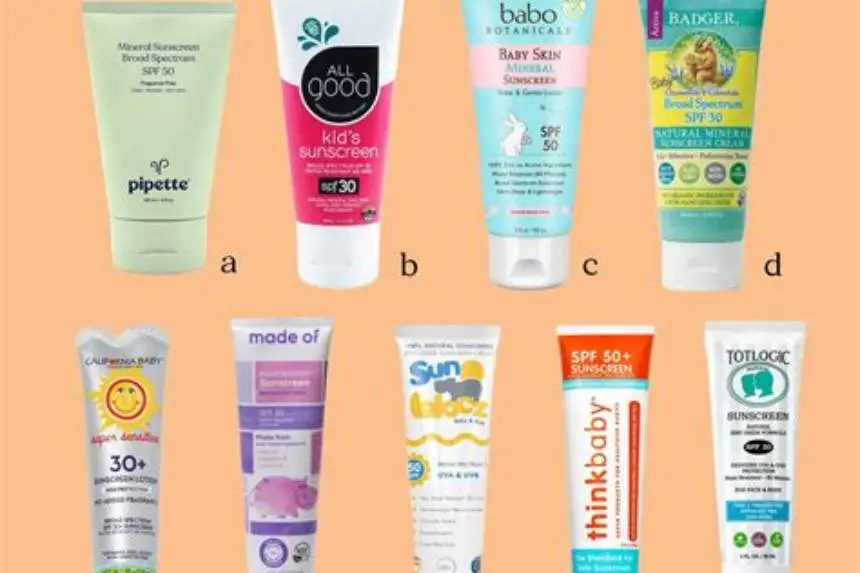
Sunscreen use is generally recommended only for babies aged 6 months or older. This limit exists because infants' skin is extremely thin and more permeable than adult skin, making it vulnerable to chemical absorption and irritation. Sunscreens contain active ingredients that can be harsh on sensitive, immature skin.
Until babies reach 6 months, you should rely on physical sun protection methods like shade, protective clothing, and hats with brims. Direct sunlight exposure should be minimized during peak UV times, typically between 10 a.m. and 4 p.m., when UV radiation can reach levels of 3 or higher on the UV Index scale.
Once babies can safely use sunscreen, choose a broad-spectrum type with an SPF of at least 30. Apply a thin, even layer to all exposed skin at least 15 minutes before sun exposure and reapply every 2 hours or after swimming or sweating.
Another aspect to consider is the type of sunscreen ingredients suitable for babies when they reach 6 months. Physical sunscreens containing zinc oxide or titanium dioxide are generally safer choices as they sit on top of the skin and reflect UV rays rather than absorbing into the skin. These ingredients are less likely to cause irritation compared to chemical filters. There is more on checking swim nappy fit in a separate guide.
Temperature and humidity can influence sunscreen effectiveness on babies. In hot, humid climates, sweat can wash away sunscreen faster, so reapplication may be necessary even more frequently than every 2 hours, especially after physical activity or water exposure. For example, if a baby is sweating heavily 90 minutes after sunscreen application, reapplying sooner helps maintain protection.
A simple test to check sunscreen coverage is to expose a small area of skin to sunlight for 15 minutes after application. If the skin shows no redness or irritation, coverage is likely adequate. This test should only be done cautiously after the baby is at least 6 months old and with appropriate supervision to avoid overexposure.
Can you put sunscreen on a 3-month-old baby
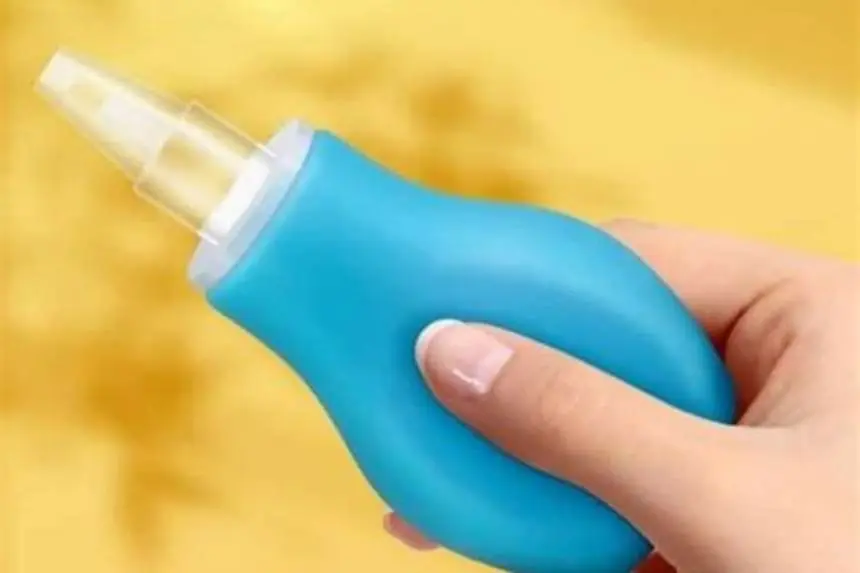
You should not put sunscreen on a 3-month-old baby. Their skin barrier is not sufficiently developed to handle the chemical filters in sunscreen safely. Applying sunscreen at this age might lead to allergic reactions or skin irritation. For the detail, see our notes on best manual bulb nasal aspirator for 0-6 months.
Instead, protect a 3-month-old by keeping them out of direct sunlight. Use shade structures like umbrellas or canopies, and dress them in tightly woven, lightweight clothing that covers arms and legs. A wide-brimmed hat shields the face and neck effectively.
In situations where sun exposure is unavoidable, frequent shade breaks and limiting outdoor time during peak UV hours are essential. Even indirect UV rays can cause skin damage, so combining these strategies is the safest approach.
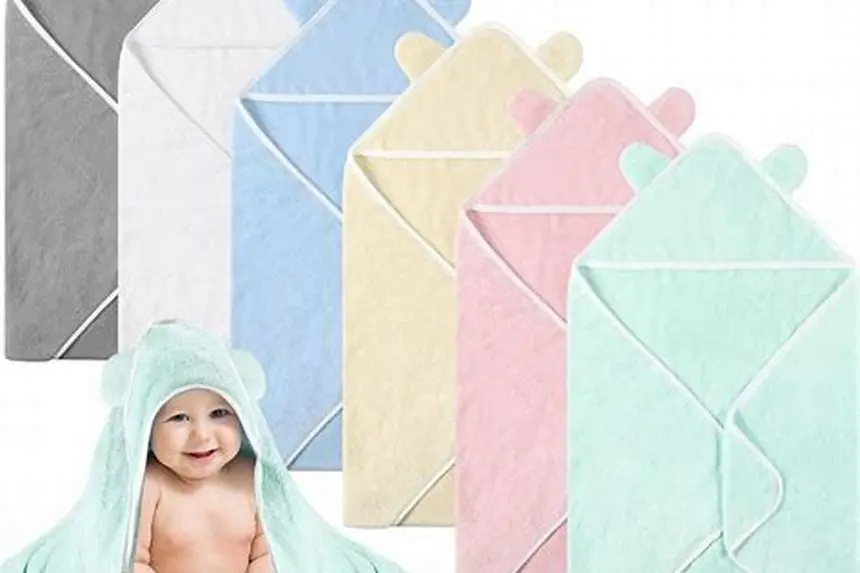
In rare cases, some parents might find themselves needing to expose their 3-month-old baby to sun for short periods. In such instances, applying a very small amount of physical sunscreen on small, exposed areas like the face might be considered after consulting a pediatrician. However, this is not a substitute for other protective measures and should be a last resort. Before you commit to anything, it is worth looking at where to buy muslin towels.
A practical example: if you must take a 3-month-old outdoors during midday, dress them in a long-sleeve SPF swim shirt and hat, use an umbrella, and limit the exposure to under 15 minutes. No sunscreen is applied, but this layered approach helps reduce UV risk while maintaining comfort.
Watch carefully for signs of skin redness or discomfort afterward. If any irritation appears, discontinue sun exposure and consult a healthcare professional. This cautious approach helps balance unavoidable outdoor time with skin safety.
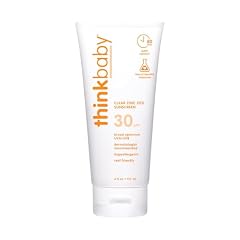
Thinkbaby Mineral Baby Sunscreen SPF 30 with Clear Zinc Oxide
Provides SPF 30 broad-spectrum mineral sun protection safe for babies' sensitive skin
Will SPF swim shirts fit a 3-month-old baby
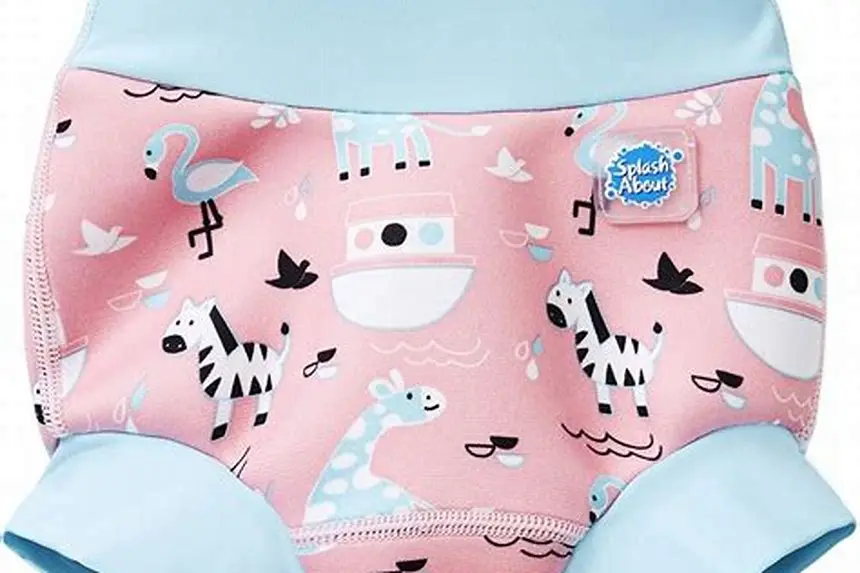
SPF swim shirts are designed to provide physical sun protection and are sized for infants starting from newborn up to toddlers. Most brands offer sizes suitable for a 3-month-old, but fit varies depending on the baby's weight and length. Before you commit to anything, it is worth looking at baby toothbrush electric for 6 month old.
Typically, an SPF swim shirt for a 3-month-old ranges from 7 to 12 pounds in weight and 22 to 24 inches in length. Due to rapid growth during infancy, you need to check the manufacturer's sizing chart carefully and consider sizing up for a more comfortable fit that allows movement.
Choose swim shirts made from lightweight, breathable fabrics with a UPF rating of 50+ to block at least 98% of UV rays. These shirts cover the torso and arms well, reducing the need for sunscreen on those areas once the baby is old enough.
| Age | Weight Range (lbs) | Length Range (inches) |
|---|---|---|
| Newborn | 5-8 | 18-21 |
| 3 months | 7-12 | 22-24 |
| 6 months | 12-17 | 24-26 |
How to protect babies under 6 months from sun
Babies under 6 months need sun protection strategies that avoid sunscreen. The main methods are limiting time outdoors during peak sun hours, dressing babies in sun-protective clothing, and staying in the shade.
Materials with tight weaves and a UPF 50+ rating provide effective UV protection. Use lightweight long sleeves, pants, and hats with broad brims that shade the face, neck, and ears. Avoid dark colors that absorb heat and risk overheating.
When outdoors, position infants away from direct sunlight, for example under a stroller canopy or portable shade tent. Frequent hydration is less relevant for infants but watch for signs of overheating like flushed skin or rapid breathing.
Babies under 6 months also benefit from UV-protective accessories like stroller covers or UV-blocking window films for car windows. These provide an additional shield against indirect sunlight during travel or walks.
You need to note that some fabrics labeled as ‘sun-protective’ may lose their effectiveness when wet or stretched. Always verify that the clothing maintains a UPF 50+ rating under these conditions to ensure consistent protection.
Monitoring your baby’s behavior and skin condition provides important feedback. Signs like fussiness, flushed skin, or unusual warmth can indicate overheating or sun exposure stress. Promptly moving to a shaded, cooler environment and removing excess clothing help prevent heat-related issues.
- Avoid peak sun hours: 10 a.m. to 4 p.m.
- Use UPF 50+ clothing and wide-brim hats
- Keep baby in shade or covered stroller
- Monitor for overheating signs
How to safely apply sunscreen on babies 6 months and older
Start with a small patch test: apply sunscreen to a small area and wait 24 hours to check for redness or rash. If no reaction occurs, apply sunscreen more broadly.
Use a broad-spectrum sunscreen with physical blockers like zinc oxide or titanium dioxide, which are less likely to irritate sensitive skin compared to chemical filters. SPF 30 or higher is recommended.
Apply sunscreen 15 minutes before outdoor exposure on all exposed areas including the face, ears, hands, and feet. Reapply every 2 hours, and immediately after swimming or heavy sweating.
Avoid spray sunscreens to prevent inhalation; opt for creams or sticks. Wash off sunscreen at the end of the day with mild soap and water.
- Perform a patch test on a small skin area
- Choose SPF 30+ broad-spectrum physical sunscreen
- Apply sunscreen 15 minutes before going outside
- Cover all exposed skin evenly
- Reapply every 2 hours or after swimming/sweating
Choosing sun protection gear for your baby
Sun protection gear includes SPF swim shirts, hats, sunglasses, and umbrellas. Evaluate gear based on fit, UPF rating, breathability, and ease of use for your baby’s age and size.
SPF swim shirts rated UPF 50+ block 98% of UV rays. Hats with at least a 3-inch brim protect face and neck. Sunglasses with UV protection shield delicate eyes, though babies may resist wearing them.
Look for quick-drying, lightweight materials with moisture-wicking properties for comfort. Consider your climate: hot, humid environments require breathable fabrics to prevent overheating.
Test gear for a snug but non-restrictive fit. Check seams and tags for potential skin irritants. Remember to layer strategies: clothing plus shade plus sunscreen once your baby is old enough.
- SPF swim shirts: UPF 50+, sized for baby
- Hats: wide brim, breathable fabric
- Sunglasses: UV protection, comfortable fit
- Use shade and umbrellas when possible
Questions people still ask
Why is sunscreen not recommended for babies under 6 months?
Babies under 6 months have very thin, sensitive skin that can absorb sunscreen chemicals more easily, increasing the risk of irritation or allergic reactions. Physical barriers like shade and clothing are safer.
Are all SPF swim shirts safe for 3-month-olds?
Most SPF swim shirts sized for infants can fit 3-month-olds if you check weight and length guidelines. Ensure the fabric is UPF 50+, lightweight, and allows comfortable movement.
Can I use chemical sunscreens on babies over 6 months?
Physical sunscreens with zinc oxide or titanium dioxide are preferred for babies as they are less likely to cause irritation, but some chemical sunscreens labeled safe for sensitive skin can be used cautiously.
How often should I reapply sunscreen on my baby?
Reapply sunscreen every 2 hours, and immediately after swimming, sweating, or towel drying to maintain effective protection.
What if my baby has a reaction to sunscreen?
Stop using the sunscreen immediately, wash off the area gently, and consult your pediatrician if irritation persists or worsens.