How long to carry a baby in a carrier by age and carrying style
You can carry a baby in a carrier anywhere from 30 minutes up to 2 hours at a stretch, depending on the baby's age, development, and the carrying style. Younger babies usually handle shorter periods, with breaks needed for comfort and safety.
On this page (8 sections)
- What matters most
- How long can you carry a baby in a carrier safely
- Can a two month old baby be carried in a baby carrier
- When can I use kangaroo baby carrier
- Baby carrier front facing age 4 months
- Choosing a carrier that fits both parent and baby
- Steps to safely carry a baby in any carrier for longer periods
- Questions people still ask
Part of our guide on twin baby carrier options
The numbers
- Max continuous time newborn
- 30-45 minutes
- Kangaroo style start age
- 0 months
- Front-facing start age
- 4 months
- Max continuous time front-facing
- under 60 minutes
- Recommended breaks
- every 30-60 minutes
What matters most
- Newborns should be carried no more than 30-45 minutes continuously for safe hip and spine support.
- Kangaroo style carriers suit babies from birth but require short carrying intervals.
- Front-facing carriers are recommended from about 4 months, with sessions under 1 hour.
- Always monitor baby’s comfort and adjust duration based on cues like fussiness or sweating.
- Choose a carrier that fits both parent and baby well to avoid strain and discomfort.
How long can you carry a baby in a carrier safely

The safe duration to carry a baby in a carrier depends primarily on the baby's age and developmental stage. For newborns up to about 2 months, continuous carrying periods should be limited to around 30 to 45 minutes. This limit helps prevent strain on their developing spine and hips and reduces the risk of overheating or airway obstruction.
As babies grow, they tolerate longer carrying times. From about 3 months onward, many can be carried up to an hour or more at a stretch if positioned correctly and if the carrier supports their posture well. However, breaks remain important to allow movement and prevent pressure points.
Carrying time also hinges on the carrying style. For instance, kangaroo-style carriers, which hold the baby upright against the parent's chest, suit newborns but still require frequent breaks due to the close confinement. Front-facing carriers usually start at 4 months and have shorter recommended sessions due to increased stimulation and less natural support.
Can a two month old baby be carried in a baby carrier
Yes, a two month old baby can be carried in a baby carrier, but time limits and carrier type matter. At this stage, babies are still developing neck strength and spine curvature, so the carrier must provide solid head and back support. There is more on best baby carrier for twins in a separate guide.
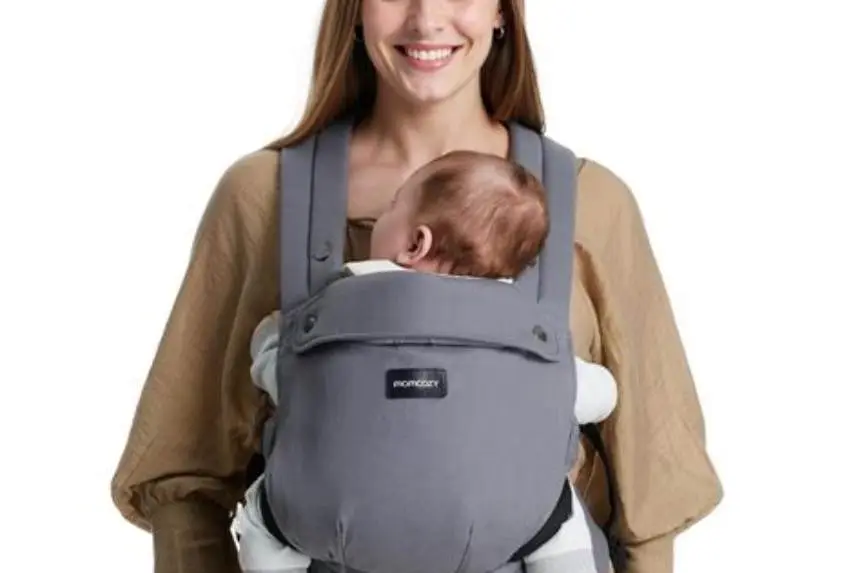
Two month olds generally handle carrying sessions of 30 to 45 minutes at once. After this, they need time out of the carrier to stretch and move freely. A soft structured carrier with adjustable support or a wrap-style carrier that allows proper hip positioning is best.
Parents should watch for signs the baby is uncomfortable (restlessness, sweating, or a change in breathing) and shorten carrying time accordingly. Frequent breaks ensure safety and comfort for both baby and wearer.
Some parents wonder if carrying a two month old baby in a carrier during sleep is safe. While carriers can provide comfort, you need to never let the baby sleep in a position that compromises airway safety. At two months, babies still lack full head control, so ensure the carrier keeps the head upright and visible at all times. If the baby falls asleep, frequently check their breathing and reposition if necessary to avoid a curled or slumped posture that could obstruct airflow. There is more on ensuring neck and hip support in a separate guide.
In practice, a two month old might be carried for a 40-minute walk in a soft structured carrier with good neck support. For example, a parent might carry the baby from 10:00 to 10:40 AM, then pause to give the baby a break outside the carrier before continuing. Observing the baby's cues during this time assures safety and comfort. Parents should also factor in weather conditions, as overheating risk increases with warmer temperatures, which may shorten safe carrying time.

CUBY Newborn Baby Carrier with Head Support and Sunshield
Supports newborns with head and neck protection and adjustable straps suitable for babies from 3.5 to 10 kg (8-40 lbs), fitting newborn size safely.
When can I use kangaroo baby carrier
Kangaroo baby carriers are designed to hold babies upright against the parent's chest and can be used from birth, provided the baby is at least 7-8 pounds and can support their head with carrier support. These carriers mimic kangaroo pouch carrying and are popular for newborn bonding.
Use kangaroo carriers for short periods, usually no longer than 30 to 45 minutes continuously during the first two months. The upright posture keeps the airway open but can become tiring for a newborn if worn too long. The other half of this decision is what makes a carrier ergonomic.
As your baby’s neck and spine strengthen, you can increase carrying time gradually, but always monitor the infant’s comfort. These carriers also require the parent to be mindful of their own comfort, as the baby’s weight is fully on the chest.
- Start age: birth with weight and head control considerations
- Max continuous carrying time newborn: 30-45 minutes
- Best for bonding and short outings
- Requires good parent fit to avoid back strain
Baby carrier front facing age 4 months
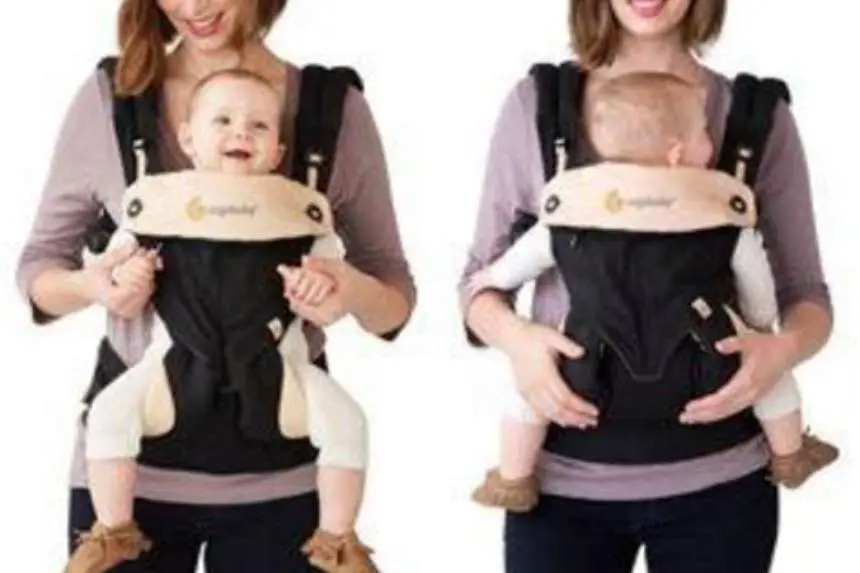
Front-facing baby carriers are generally safe to start at around 4 months old, when the baby demonstrates good head control and can sit with support. This position offers the baby more visual stimulation but less natural support compared to inward-facing.
At four months, carrying sessions front-facing should be limited to under 60 minutes. The baby’s spine is still developing and needs proper support to avoid slumping or awkward posture that could strain muscles or affect breathing. There is more on top carriers for summer heat in a separate guide.
Choose carriers with padded seats and adjustable straps to maintain ergonomic positioning. Watch for signs of discomfort and provide breaks to let the baby move freely. Younger than 4 months, front-facing is not recommended due to safety and development concerns.
Front-facing carriers also vary in design, which affects how long a baby can be comfortably carried. Structured carriers with firm seats and adjustable support can allow front-facing carrying for up to an hour, while simpler soft carriers may require shorter periods closer to 30 minutes. Always check that the baby’s legs are supported in a spread-squat position to promote healthy hip development when front-facing.
A cautionary example: if a four-month-old is carried front-facing for 90 minutes without breaks, they may start to slump forward, causing neck strain and possible breathing difficulty. Parents should stop and reposition the baby immediately if they notice any slumping, fussiness, or color changes. Regularly checking the baby’s posture during front-facing sessions is key to avoiding problems.
Choosing a carrier that fits both parent and baby
The fit of the carrier affects how long you can safely carry your baby. A good fit means the carrier supports the baby’s hips, spine, and head correctly while distributing weight comfortably for the parent.
Parents should select carriers adjustable for their body size and shape, as well as the baby’s growth. Adjustable straps, padded waistbands, and breathable materials help increase comfort during longer use.
Ill-fitting carriers can cause parental back pain and may put the baby in unsafe positions. Trying a carrier on with the baby, if possible, before buying is ideal. If buying online, check brands with good size guides and flexible return policies.
Consider also the parent’s activity level and body type when selecting a carrier, as these influence comfort during longer carrying sessions. For example, a parent with a shorter torso might need a carrier with a smaller frame and adjustable straps to prevent the baby from sitting too low or causing back strain.
Some carriers are specifically designed with lumbar support or padded waistbands that can reduce lower back fatigue during extended use. Parents planning to carry their baby for over an hour at a time should prioritize these features. Testing the carrier with a weighted doll or the actual baby for at least 30 minutes before long outings can help identify potential fit issues early.
| Factor | Impact on Safety | Impact on Comfort |
|---|---|---|
| Adjustable Straps | Ensures proper baby posture | Allows parent weight distribution |
| Supportive Seat | Protects baby's hips and spine | Keeps baby stable and secure |
| Padded Waistband | N/A | Reduces parent lower back strain |
| Breathable Fabric | Prevents baby overheating | Increases wearer comfort |
Steps to safely carry a baby in any carrier for longer periods
Longer carrying sessions require more attention to baby’s comfort and safety, as well as the wearer’s endurance. Follow this sequence to carry safely:
1. Position baby correctly with head and neck supported and hips in an ergonomic 'M' position.
2. Adjust carrier straps snugly to eliminate shifting but avoid tightness that restricts movement or breathing.
3. Carry baby for 30-45 minutes initially and observe baby’s cues like fussiness or color changes.
4. Take breaks every 30-60 minutes to allow baby to stretch and change position.
5. Monitor baby’s temperature to avoid overheating, especially in soft fabric or kangaroo carriers.
6. If parent experiences back or shoulder pain, stop and adjust carrier or take a break.
- Position baby ergonomically in the carrier.
- Adjust straps snugly but comfortably.
- Limit initial carrying sessions to 30-45 minutes.
- Take breaks every half hour to hour.
- Check baby’s comfort and temperature frequently.
- Stop if discomfort or pain arises.
Questions people still ask
Is it safe to carry a newborn in a carrier all day?
No, newborns should not be carried all day continuously. Limit sessions to 30-45 minutes with regular breaks for movement and repositioning to protect their developing spine and airway.
When can I start carrying my baby front-facing?
Front-facing carrying is recommended from around 4 months when the baby can hold their head steadily and sit with support. Before that, inward-facing positions offer better support.
What if my baby seems uncomfortable in the carrier?
If the baby fusses, squirms, sweats excessively, or shows color changes, remove them from the carrier, check positioning, and shorten carrying times until you find what works.
How do I know if a carrier fits me properly?
A proper fit distributes weight evenly, feels secure without strain, and allows easy adjustments. Trying on the carrier with your baby is the best way to test.
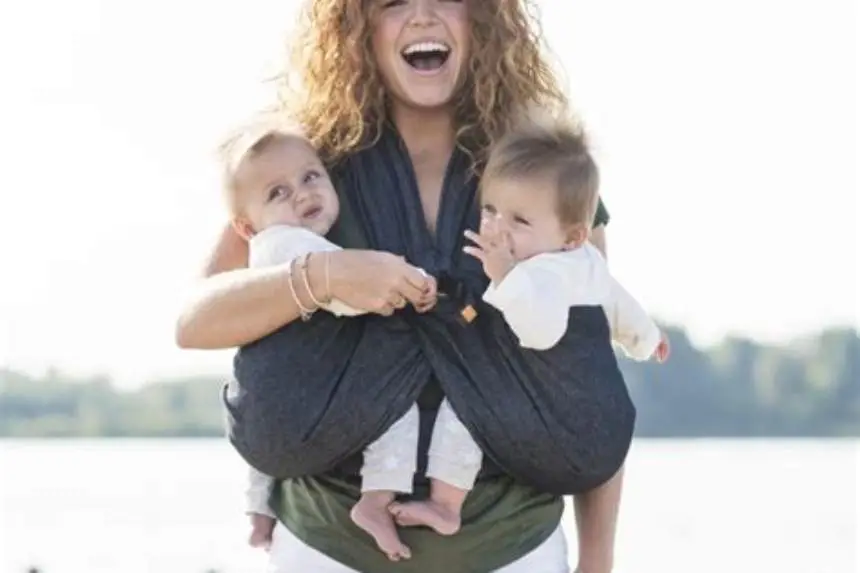
Can I carry twins in two carriers at once?
While possible, carrying twins requires carriers designed for sustained weight and parent strength, and should be done with caution and short durations to avoid strain.