Which baby carrier materials and designs keep newborns coolest in summer heat
For summer use, prioritize carriers made from breathable fabrics (for example, open-weave mesh or high-thread-count cotton blends) and designs that expose the baby’s back and sides to airflow. Those materials and open designs generally improve airflow and reduce heat buildup compared with dense polyester panels, but exact cooling performance varies with carrier design, baby size, and climate; measure performance in your own conditions rather than relying on a single percentage claim.
On this page (8 sections)
- What matters most
- How different fabrics affect baby heat retention
- Impact of carrier design on airflow and ventilation
- Weight and comfort considerations for hot weather use
- How to check if a carrier suits your climate and baby's age
- Which baby carrier materials and designs keep newborns coolest in summer heat
- Balancing safety, comfort, and cooling in hot-weather baby carriers
- Questions people still ask
Part of our guide on beco butterfly vs beco gemini
The numbers
- Breathability
- Mesh or open-weave fabrics typically offer better airflow than dense woven polyester
- Carrier construction
- Open designs and venting features enhance ventilation
- Recommended fabric
- Mesh, moisture-wicking cotton blends, or blended technical fabrics
- Suitability
- Check newborn support, head/neck support, and manufacturer age/weight limits
- Verification
- Test in your climate with short trial carries and a simple gauge
What matters most
- Mesh and open-weave fabrics generally improve breathability and reduce heat buildup compared with dense woven polyester.
- Carrier design (open backs, mesh panels, and adjustable vents) affects airflow; choose a design that balances ventilation with newborn head and neck support.
- Lightweight carriers can feel more comfortable in hot weather, but look for adequate support and padding for long wear.
- Verify manufacturer weight and age recommendations and whether a carrier needs a newborn insert.
- Test carriers yourself with a temperature/humidity gauge or short trial carries in your climate to confirm comfort.
How different fabrics affect baby heat retention
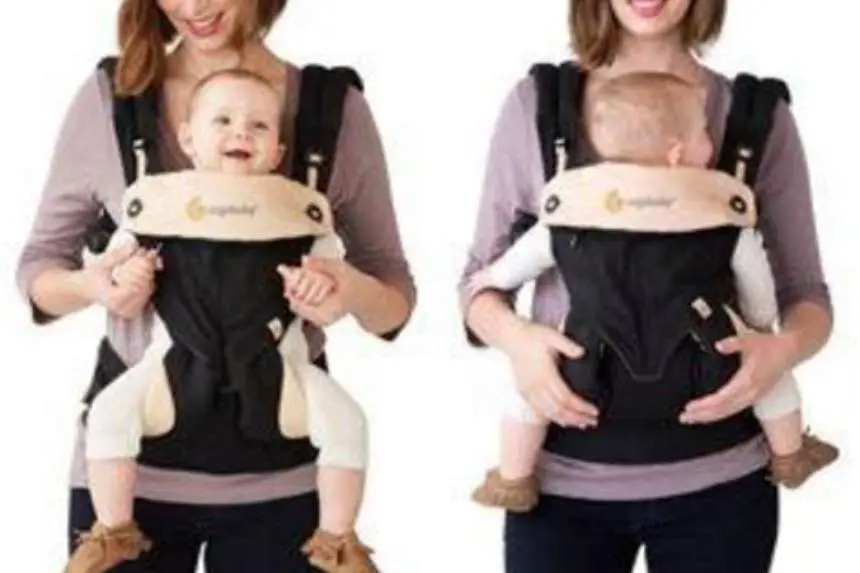
Fabric choice matters because it alters how much air reaches the baby’s skin and how moisture moves away from the body. Fabrics with an open weave (commonly sold as “mesh”) allow more air exchange between the baby’s skin and the outside air than dense woven or thick padded fabrics. High-quality cotton blends with looser weaves can also feel cooler than tightly woven synthetic panels.
Synthetic fabrics such as polyester and nylon are durable and often easier to wash; they can also be engineered with open-weave constructions or moisture-wicking finishes. Natural fibers like cotton are comfortable to the touch and can be breathable when woven appropriately, but they absorb moisture which can affect perceived humidity next to the baby’s skin if conditions are very humid.
The trade-offs to watch are breathability versus structure and durability. Very open fabrics improve ventilation but provide less built-in structure; carriers using those fabrics often rely on design features (panel shape, supportive seams, or removable inserts) to maintain safe support for a newborn.
When evaluating product descriptions, look for terms like “open-weave,” “mesh,” “breathable,” and “moisture-wicking.” Those terms describe design intentions but not absolute performance: actual cooling depends on how much of the carrier is ventilated, how the carrier fits your baby, and the local climate. People in this spot often ask about how long to carry baby as well.
Impact of carrier design on airflow and ventilation
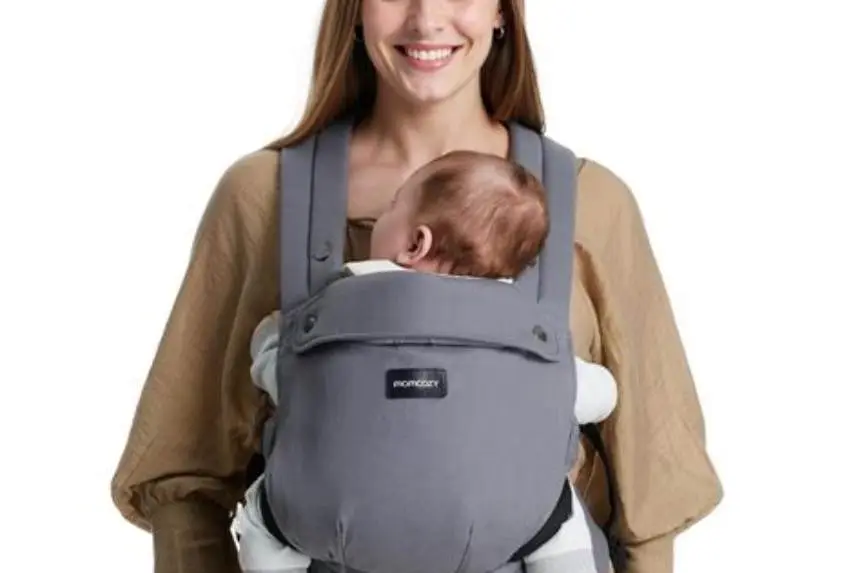
Design features such as open backs, large mesh panels, zippered vents, and removable inserts determine how effectively air moves around the baby. Open designs that expose the baby’s chest and back to ambient air generally allow better exchange than fully enclosed carriers. Zip-open vents or removable layers let you tune ventilation for changing weather.
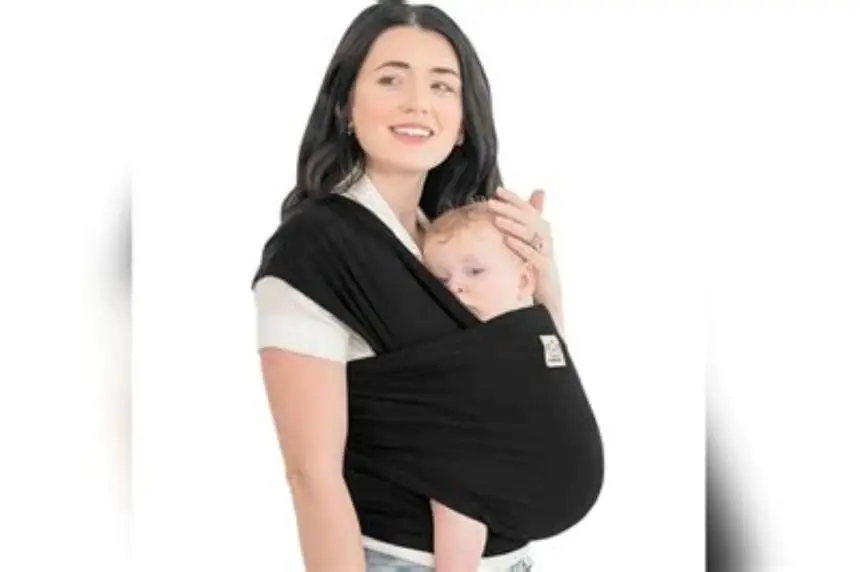
Structured carriers with thick padded panels typically provide more support and ergonomic positioning but limit airflow relative to open or mesh-focused designs. Wraps and ring slings expose more baby skin to the air, which helps cooling, but they require correct technique and may offer less structured head support for a newborn unless paired with appropriate folds or inserts.
Rather than assuming a given design delivers a fixed amount of cooling, evaluate how the design balances ventilation and support. For example, a structured carrier with a vented back panel may deliver better support than a wrap while also improving airflow compared with an all-padded panel, but the specific performance will depend on panel size and placement. We go through baby carriers fitting plus size step by step elsewhere on the site.
Fit matters: a carrier that is too tight can compress mesh or fabric against the baby and reduce airflow; one that’s too loose may allow too much sag and compromise positioning. Aim for a secure, properly positioned fit that still leaves space for air circulation where the carrier design intends it.
| Design Feature | Ventilation tendency | Newborn considerations | Support level |
|---|---|---|---|
| Large mesh panels/open backs | Generally higher ventilation | Look for inserts or shaping for neck/head support | Moderate to high when well designed |
| Wraps and ring slings | High ventilation where skin is exposed | Requires skill to ensure newborn support | Variable—depends on wrapping technique |
| Structured padded carriers | Lower ventilation unless vented | Often ready for newborns with inserts | High support |
| Carriers with zip vents/removable panels | Adjustable ventilation | Can be adapted for newborns with closed configuration | Moderate to high |
Weight and comfort considerations for hot weather use
A lighter-feeling carrier can reduce how hot it feels on the wearer and may be more comfortable for shorter summer outings. However, lightweight construction does not automatically mean insufficient support: many manufacturers use supportive stitching and structural panels to keep weight down while maintaining ergonomics.
Padding that is covered in breathable materials or uses perforated foam can reduce sweat buildup on the wearer. Wide, well-distributed waistbands and shoulder straps help spread weight, which can make a hot day feel less taxing even if the carrier’s materials warm up. The other half of this decision is what is an ergonomic baby carrier.
Parent body type and any preexisting back or shoulder conditions influence whether you should prioritize low weight or extra support and padding. If you depend on the carrier for long periods, prioritize ergonomics and try carriers in person when possible.
Also remember that the baby’s weight and how they sit affect airflow. As a baby grows and presses into the carrier, fabric can compress and airflow can change. Adjust your expectations and carrier choice as your child develops.
How to check if a carrier suits your climate and baby's age
A carrier that works well in a dry, warm climate may behave differently in hot, humid weather. In humid environments, moisture-wicking performance and greater ventilated surface area become more important; in dry heat, sun protection and fabric breathability may be sufficient.
Newborns need secure head and neck support. Some mesh-focused carriers are designed for older infants only; others include removable newborn inserts or panel shaping to support smaller babies. Check manufacturer minimums and whether the carrier is explicitly marketed for newborns without an insert.
Practical testing is the best way to confirm a carrier’s cooling performance for your personal conditions. Use short trial carries outdoors during a typical hot day and watch for signs of discomfort. A simple handheld temperature/humidity meter used during trials can help you compare conditions inside the carrier against ambient air in your environment; interpret meter readings qualitatively (is the baby noticeably warmer or more humid inside the carrier?) rather than relying on a single numeric threshold.
If the carrier makes your baby sweaty, flushed, or unusually fussy during your typical summer conditions, it probably lacks adequate ventilation for the way you use it, regardless of marketing language.
- Check the carrier’s stated newborn suitability and whether any insert is required.
- Inspect fabric composition and the extent of ventilated panels.
- Trial carry in conditions similar to your typical summer day and observe baby comfort.
- Use a handheld temperature/humidity meter for comparative checks; focus on relative differences and subjective comfort.
- Adjust layers, vents, or closures and reassess: small changes to fit and fabric exposure can make a noticeable difference.
Which baby carrier materials and designs keep newborns coolest in summer heat
In practice, carriers built around substantial mesh panels or open-weave main panels combined with structured shaping for head support tend to perform best in hot weather while still accommodating newborn needs. Breathable cotton blends with looser weave can also perform well in lower-humidity heat when paired with an open design.
Designs that allow you to open vents or remove an extra layer give you flexibility as the day or weather changes. Wraps and slings can be very breathable but require technique and may not offer consistent newborn head support without careful positioning or added folding.
When shopping, consider models that explicitly state newborn compatibility, include a newborn insert if needed, or offer sufficient shaping for small infants. Always cross-check any ventilation claims with in-person feel or trial carries; manufacturer language like “breathable” or “mesh” is a useful filter but not a guarantee of cooling performance in your climate.
Below are example models to consider: these are illustrative and were chosen because they emphasize airflow or ventilation features in their design. Verify current model details and newborn suitability, and try them where possible before purchase.
| Carrier Feature | Example models (illustrative) | Newborn suitability | Why they’re cited |
|---|---|---|---|
| Large mesh panels / open-back designs | BabyBjörn Air (carrier series), Ergobaby Omni Air/Aerloom (mesh variants), LÍLLÉbaby Air or All Seasons (vented versions) | Some models need inserts for newborns—check specific model guidance | Focus on high-ventilation panels and open-weave construction |
| Wrap-style breathable carriers | Solly Baby Wrap (lightweight knit), Boba Wrap (light blends) | Suitable with correct wrapping for newborns | Light, minimal layers expose more skin to air |
| Structured carriers with vents/zip panels | Ergobaby with vent options, some Tula models with mesh panels | Many are newborn-capable with inserts | Balance of support and adjustable ventilation |
| Hybrid cotton/mesh blends | LÍLLÉbaby All Seasons, carrier variants marketed for summer use | Check specific sizing and insert needs | Blend of comfort and improved airflow |
Balancing safety, comfort, and cooling in hot-weather baby carriers
Prioritize safety first: ensure the carrier provides secure head and neck positioning, keeps the baby’s airway clear, and follows manufacturer age/weight guidance. Ventilation features are valuable, but they should not undermine correct positioning or recommended support for newborns.
Look for carriers that meet recognized safety standards and certifications in your region (for example, relevant national consumer-safety agencies or established third-party testing where applicable). The U.S. Consumer Product Safety Commission (CPSC) and pediatric guidance emphasize correct positioning and unobstructed airways; ventilation is a comfort and thermal-management feature that complements those safety essentials.
When cooling performance is critical (hot, humid climates), combine a breathable carrier with other measures: light clothing for the baby, shade or sun protection, frequent breaks to allow cooling, and close monitoring for signs of overheating such as persistent sweating, flushed skin, or unusual lethargy.
If you need maximum support for longer carries but want better airflow, look for structured carriers with venting options or models that allow you to open vents while maintaining ergonomic support. If you choose a very open or minimal carrier, be prepared to practice newborn positioning and accept that some padding and convenience features may be reduced.
- Improved airflow improves comfort in many summer conditions
- Many modern carriers offer adjustable ventilation without sacrificing positioning
- Trial carries and simple testing let you confirm suitability for your climate
- Maximal ventilation designs can reduce padding or require more skill for safe newborn positioning
- Cooling performance varies widely by model, baby size, and local climate
- Manufacturer claims may not translate directly to your conditions—test for yourself
Carriers built around open-weave mesh panels or breathable cotton blends, combined with designs that allow adjustable venting while preserving newborn support, generally offer the best balance of cooling and safety for summer use.
Questions people still ask
Is mesh fabric always better for summer baby carriers?
Mesh usually improves airflow compared with dense woven fabrics, but effectiveness depends on how much of the carrier is mesh, where the mesh is placed, and how the carrier fits your baby. Verify newborn support and try a short trial carry.
Can I use a regular carrier in summer if I dress my baby lightly?
Dressing lightly helps, but it does not replace good ventilation. If a carrier has limited airflow, heat and humidity can accumulate; testing comfort during short trial carries is the best check.
How do I know if a carrier fits my newborn correctly for summer use?
Correct fit supports head and neck, keeps the airway clear, and positions the baby so they are close but not overly compressed against the caregiver. Confirm the carrier’s newborn recommendations and practice positioning before long outings.
Are lightweight carriers less durable or supportive?
Not necessarily. Many carriers use engineered construction to reduce weight while keeping support. Evaluate ergonomics, padding quality, and manufacturer guidance; try before you buy if possible.
How often should I remove the baby from the carrier in summer heat?
Take regular breaks and monitor your baby for signs of overheating (sweating, flushed skin, fussiness). Frequency depends on climate and activity: use short trial carries to learn what’s comfortable for your baby.