Why do babies and adults aspirate and what causes it in everyday care
Aspiration occurs when food, liquid, or saliva mistakenly enters the airway instead of the esophagus, mainly because of weak swallowing reflexes or poor positioning. Babies and adults with swallowing difficulties or improper feeding posture are most at risk.
On this page (8 sections)
- What matters most
- What aspiration means in health terms
- Common causes of aspiration in babies and adults
- Why aspiration happens frequently
- What to watch for in baby feeding and positioning
- How aspiration relates to baby gear safety
- What causes a person to aspirate in everyday care
- Questions people still ask
Part of our guide on aspirator recommendations for babies
The numbers
- Aspiration risk age
- Newborns to elderly
- Swallowing reflex onset
- Around 32 weeks gestation
- Safe feeding angle
- 45-70 degrees upright
- Common cause
- Poor swallowing coordination
- Aspiration pneumonia risk
- Increased with repeated events
What matters most
- Aspiration means inhaling food or liquid into the lungs, which can cause infections.
- Weak swallowing muscles or neurological issues commonly cause aspiration.
- Positioning during baby feeding drastically affects aspiration risk.
- Proper baby gear use reduces chances of choking and aspiration.
- Monitoring feeding cues in babies helps prevent aspiration incidents.
What aspiration means in health terms
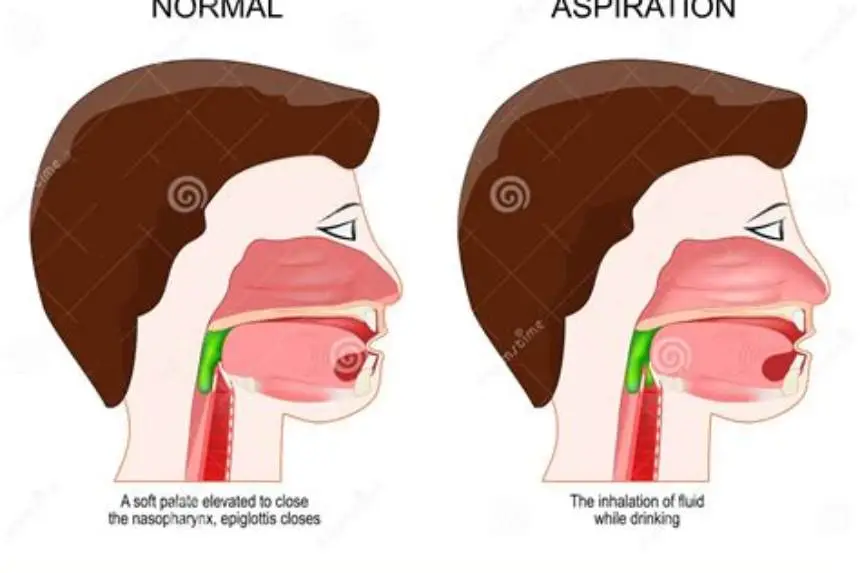
Aspiration is the accidental entry of food, liquid, saliva, or other material into the airway below the vocal cords. Instead of going down the esophagus to the stomach, the substance reaches the lungs, where it can cause irritation or infection.
This is a distinct process from choking, which involves blockage of the airway. Aspiration may not immediately stop breathing but can lead to pneumonia or chronic lung damage over time. It is a serious health concern, especially for people with swallowing difficulties.
Swallowing normally involves a complex coordination of muscles and reflexes to close the airway during eating or drinking. When this coordination fails, aspiration can occur. This is common in babies developing swallowing skills and adults with neurological or muscular impairments.
Common causes of aspiration in babies and adults
If you ask, what causes a person to aspirate, the short answer is problems with protecting the airway during swallowing. In babies this often reflects immature or weak swallowing reflexes. The reflex begins developing in utero and approaches adult timing by around 32 weeks' gestation, but many newborns (especially those born before 37 weeks) still show slower coordination of sucking, swallowing and breathing. Poor muscle tone, fatigue partway through a feed, or a head and neck position that tips the airway can all let milk or saliva slip toward the airway instead of the esophagus. It helps to understand why we manage health and safety before going further.
Adults commonly aspirate when neurological control or local anatomy is altered. Stroke, Parkinson’s disease, dementia and other conditions that slow or disorganize nerve signals to the throat muscles reduce coordination; after a stroke, for example, a bedside swallowing assessment or an instrumental test such as videofluoroscopy will often reveal delayed swallow timing or reduced laryngeal closure. Structural changes (scarring from surgery, tumours, or congenital differences) can narrow passages and disturb the tight sealing needed to protect the airway.
Reflux of stomach contents raises risk because acidic or non-acidic material can reach the pharynx and be inhaled during a breath. Sedation and impaired consciousness blunt the gag and cough reflexes that usually clear the airway. In infants, congenital defects such as cleft palate or esophageal atresia physically interfere with normal bolus flow; for adults, recent head/neck surgery or radiation may produce nerve injury or fibrosis that weakens swallowing muscles.
Practical risk factors matter: hurried feeds, feeding with the baby fully reclined, and long, tiring feeds increase the chance of small amounts of food or liquid entering the airway. For adults, prolonged hospital stays, use of feeding tubes without careful placement checks, and episodes of heavy sleepiness after sedatives are common proximate causes. Positioning, alertness, and muscle strength are the deciding elements clinicians check when assessing aspiration risk.
- Babies: immature swallowing reflex and weak muscle tone
- Adults: neurological disorders affecting swallowing muscles
- Reflux disease: stomach acid and contents entering airway
- Sedation: suppressed reflexes increase aspiration risk

Why aspiration happens frequently
Aspiration happens often because breathing and swallowing share a short, common path through the throat and must be coordinated to the millisecond. Any factor that disturbs that timing (fatigue, illness, distraction, or pain) creates an opportunity for food, liquid or saliva to cross into the airway. Even a single delayed swallow can let a small bolus pool above the vocal cords and then be inhaled on the next breath.
Infants are particularly vulnerable because their systems are learning to co-ordinate sucking, swallowing and breathing while conserving energy. A sleepy baby or one who is fed for long stretches will tire; when the muscles that lift the larynx and close the airway falter, protection fails. Minor mispositioning (chin too far up, neck overextended, or body slumped) alters the mechanical angle for safe swallowing and raises the frequency of micro-aspiration events during a feed.
In adults the frequency of aspiration reflects both the underlying condition and external care. Neurological diseases such as amyotrophic lateral sclerosis (ALS) or multiple sclerosis often produce progressive weakness so that aspiration becomes more regular over months to years. To measure how often aspiration occurs in an individual, clinicians use bedside swallow screens, counts of coughing episodes during meals, or objective tests like videofluoroscopic swallow studies that show repeated penetration or aspiration events during a recorded number of swallows.
Environmental factors amplify the baseline risk: rushed mealtimes, distracted caregivers, poor chair support, or sedating medications make transient mis-timings more likely. Fatigue has a direct effect; even brief muscular exhaustion during a long feeding or an extended illness reduces the tight timing needed to protect the airway. Because of these interacting influences, small, repeated aspiration events are common and can accumulate to cause inflammation or pneumonia if not recognised and managed.
What to watch for in baby feeding and positioning
Watch for coughing, gagging, or choking during or immediately after feeding, which are signs of aspiration. Silent aspiration, where no obvious signs occur, is harder to detect but may present as recurrent respiratory infections or poor weight gain.
Keep babies upright at a 45-70 degree angle during feeding to reduce the chance of fluid entering the airway. Support the head and neck firmly but gently to maintain this position.
Avoid overfeeding or rushing; allow babies to pause and breathe regularly. Use slow-flow nipples to control milk flow and reduce overwhelming the baby's swallowing ability.
Burp babies often during feeding, as excess air can cause discomfort and increase coughing or choking reflexes.
- Feeding angle: keep baby properly upright
- Feeding pace: allow pauses and slow flow
- Signs: watch for coughing or gagging
- Burping: frequently during meals
How aspiration relates to baby gear safety
Baby carriers, strollers, and car seats that do not support the head and neck properly can increase aspiration risk by promoting poor posture. Reclined or floppy positions allow saliva or milk to pool near the airway.
Cribs and bassinets that allow a baby to lie flat for prolonged periods can also raise risk, especially during or right after feeding. Elevating the head of the crib slightly may help but only under supervision.
Check that feeding bottles and nipples meet safety standards for flow rate and shape to help babies swallow safely. Avoid gear that forces unnatural neck extension or flexion.
Properly designed and used safety gear supports stable, upright head positioning, which maintains airway protection and reduces aspiration hazards during feeding and rest.
| Gear type | Typical position | Aspiration risk level | Safety feature to look for |
|---|---|---|---|
| Baby carrier | Upright with head support | Low | Firm neck support |
| Stroller | Variable recline | Medium | Adjustable angle 45-70° |
| Car seat | Semi-reclined | Higher if too flat | Proper head padding |
| Crib/bassinet | Flat | Higher if no head elevation | Slight incline option |
What causes a person to aspirate in everyday care
Aspiration in everyday care typically happens because of poor positioning during feeding or rest, weak swallowing muscles, distraction, or fatigue. Babies who are sleepy, sick, or fed lying down are more likely to aspirate.
Adults aspirate when eating too fast, talking while swallowing, or if they suffer from underlying conditions affecting swallowing control. Medication side effects or sedation also reduce airway protection.
In both babies and adults, repeated small aspiration episodes may go unnoticed but accumulate harm. Caregivers must maintain vigilance during feeding and use supportive gear to minimize risk.
One practical tool to assess positioning and help prevent aspiration is a simple angle meter or inclinometer to ensure feeding positions are within the safe range of 45 to 70 degrees upright.
Small changes in care routines can significantly reduce aspiration risk. For instance, scheduling feeding times when the person is most alert and rested helps maintain optimal swallowing strength. In adults, encouraging small bites and thorough chewing allows better control before swallowing.
Use of adaptive utensils or cups designed to control flow and reduce distractions during feeding can aid persons with swallowing difficulties. Caregivers should also monitor for signs of fatigue or distraction during meals and pause feeding if needed to prevent aspiration episodes.
In cases where aspiration risk remains high, consulting speech or occupational therapists for swallowing assessments can guide personalized care plans. These professionals may recommend exercises, postural adjustments, or diet modifications that dramatically improve swallowing safety.
- Check the person’s head and neck position before feeding.
- Adjust seating or holding posture to maintain an upright angle.
- Feed slowly and watch for swallowing difficulties or coughing.
- Use a feeding angle meter to verify proper inclination regularly.
Questions people still ask
Can aspiration happen without choking or coughing?
Yes, this is called silent aspiration. It often goes unnoticed because there are no obvious signs like coughing but can still cause lung infections over time.
How can I tell if my baby is aspirating during feeding?
Look for coughing, gagging, choking, or changes in breathing. If your baby frequently gets respiratory infections or fails to gain weight, consult a pediatrician.
Is it safe to feed a baby lying down?
No, feeding a baby lying flat increases the risk of aspiration significantly. Babies should be fed at a 45-70 degree upright angle.
Can reflux cause aspiration in babies?
Yes, gastroesophageal reflux can allow stomach contents to enter the airway, increasing aspiration risk, especially in infants with immature swallowing.
Does all baby gear increase aspiration risk?
No, gear that supports proper head and neck positioning lowers the risk. Avoid gear that allows the head to flop forward or lie flat during feeding.
What is the role of swallowing muscles in aspiration?
Swallowing muscles coordinate to close the airway when swallowing. Weakness or nerve damage impairs this, making aspiration more likely.