What goes on a diaper rash: reading Calmoseptine's label for your baby's age
Calmoseptine ointment for baby diaper rash contains menthol, calamine, and zinc oxide. Its label restricts use to babies 2 months and older. For younger babies, choose plain petrolatum or zinc oxide without menthol.
On this page (9 sections)
- What matters most
- What the label actually specifies
- Why menthol carries an age restriction
- How much to apply and whether to seal it under the diaper
- Plain barriers that work for babies under 2 months
- When a barrier cream is the wrong tool and you need to call the pediatrician
- Why adult hemorrhoid products explain the age restriction
- What to check if your pediatrician gave you a tube
- Questions people still ask
Part of our guide on diaper genie refill replacement where to buy
The numbers
- Menthol percentage
- 0.6% (the cooling agent)
- Age restriction on label
- 2 months and older
- Max applications per day
- Up to 3–4 times daily
- Zinc oxide in formula
- 13.3% (barrier ingredient)
- When to stop and call doctor
- 3–4 days with no improvement
What matters most
- Check the tube's age wording before applying: Calmoseptine is labeled for 2 months and up only
- Menthol can irritate very young skin and damaged skin; petrolatum barriers work instead for newborns
- Apply a thin layer and let it dry before the diaper goes on; you don't wipe it off between changes
- If rash spreads, satellite spots appear, or it's not better in 3–4 days, stop and call your pediatrician
- Adult products with the same ingredients are sold for hemorrhoids and minor cuts, which explains the age restriction
What the label actually specifies
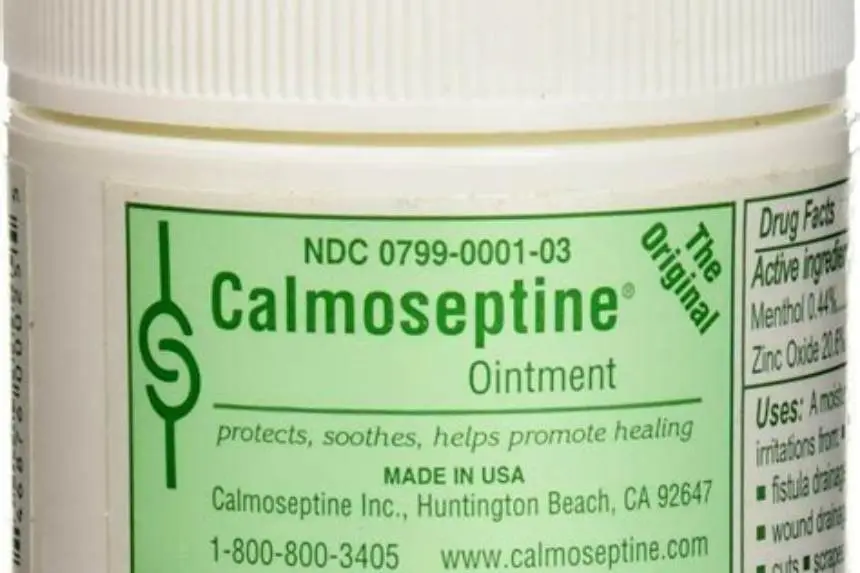
Calmoseptine is a combination ointment. The tube contains 0.6% menthol, 13.3% zinc oxide, and 3% calamine. Those percentages matter because menthol is the active ingredient that ages out young skin. It's the cooling sensation people feel, and it's the reason the manufacturer prints a minimum age on the label.
The age wording on Calmoseptine says 2 months and older. That date is not a suggestion or a conservative estimate. It's the age the manufacturer tested for safety and the point after which they'll stand behind the product if something goes wrong. Babies younger than 2 months (including premature infants adjusted to their corrected age) fall outside that specification.
The label permits application up to 3 to 4 times daily, usually after diaper changes and before bed. Some parents apply it only at night to simplify routines; that works fine if the rash is mild. The ointment stays on the skin under the diaper and isn't meant to be wiped off at the next change unless stool directly contacts it. It builds a protective layer, so reapplying over dried-on ointment is normal.
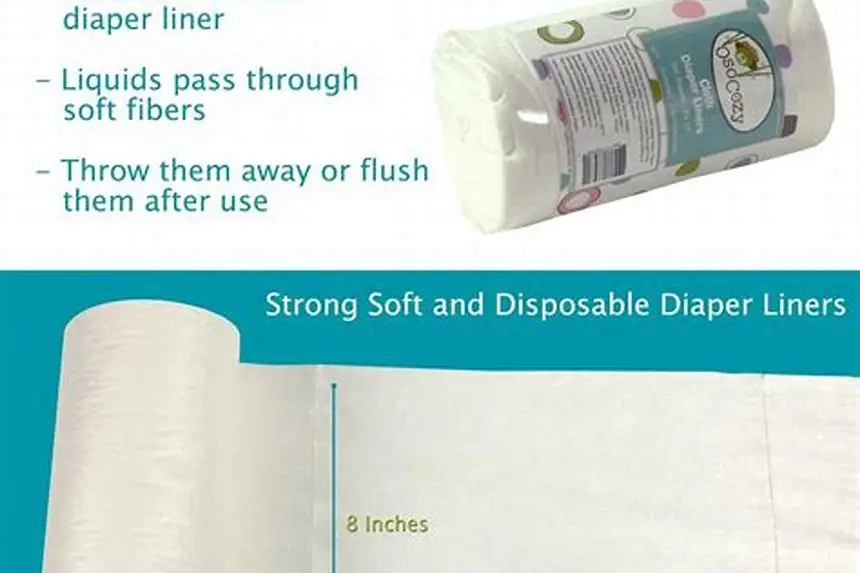
Check the tube itself for an expiry date printed on the bottom or side. Ointments degrade in heat and light, and a tube that's been in a car or a warm bathroom for months may not perform as described. If a clinician gave you a tube, confirm it wasn't decanted into a smaller container: unmarked jars have no date and no way to verify what's actually inside. Before you commit to anything, it is worth looking at flushable cloth diaper liners safe to flush.
Why menthol carries an age restriction
Menthol is the cooling sensation in the ointment: the ingredient that makes it feel soothing on adult skin. On newborn skin, menthol can cause irritation, stinging, and systemic absorption that worries pediatricians. A 2-month-old's skin is mature enough to tolerate it in the amounts Calmoseptine contains. A newborn's barrier is still building.
The menthol restriction also applies to broken or weeping skin at any age. If the rash is raw, bleeding, or oozing fluid, menthol will sting and can delay healing. In those cases, pediatricians recommend plain petrolatum or zinc oxide barriers without menthol, even on an older baby. Calmoseptine is for intact, inflamed diaper rash: red skin that hasn't lost its surface layer.
Calamine and zinc oxide, the other two ingredients, are gentler and show up in products for younger infants. Calamine is a soothing powder; zinc oxide is a moisture barrier. It's the menthol that sets the age floor. If you have a tube of Calmoseptine and your baby is under 2 months or the rash is raw, those two ingredients alone aren't the problem: but the menthol is. It helps to understand treating severe baby rashes before going further.
Adult versions of menthol-zinc combinations are sold for hemorrhoids and minor wounds. That's why the age line exists. If menthol is potent enough to soothe hemorrhoids, it needs respect on baby skin.
- Menthol soothes nerve endings on intact skin
- Low percentage (0.6%) reduces irritation risk
- Unsafe on broken or raw skin
- Not approved under 2 months old

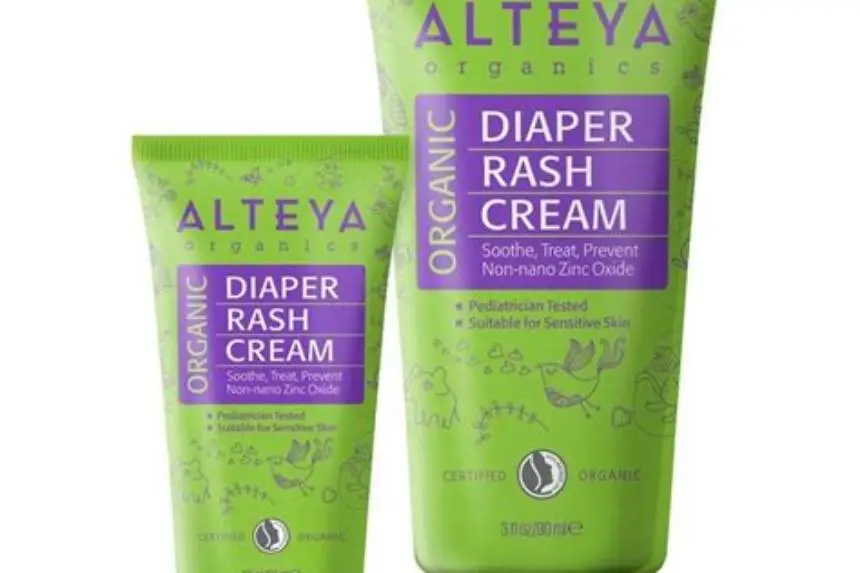
Aquaphor Baby Diaper Rash Paste with Zinc Oxide
Gives your newborn a plain 40% zinc oxide barrier with no menthol and no fragrance, so a sore diaper area is sealed off from wetness without anything that stings or irritates under-two-month skin.
How much to apply and whether to seal it under the diaper
Use a small pea-sized or rice-sized amount for each application. A common mistake is smearing on a thick layer, thinking more protection means faster healing. Thick application wastes ointment and can trap moisture: the opposite of what you want. Thin, even coverage dries faster and lets the diaper fit normally without leaking.
Apply the ointment and let it dry or set for 30 seconds to a minute before closing the diaper. Wet ointment doesn't adhere to skin as well and slips around. You'll see a slight dulling of the shine when it's ready. The diaper goes straight on top; you're not sealing it in plastic or using a separate barrier cloth. Calmoseptine is formulated to stay in place under a diaper and remain effective through several wearings. People in this spot often ask about what causes burning with rash cream as well.
At the next diaper change, you don't wipe the old layer off: that's a point of confusion. If stool directly contacted the ointment, rinse or wipe the area gently with a warm cloth or wipe. Otherwise, the dried layer stays. Apply new ointment over it if you're applying again that day, or let it gradually wear away naturally. Overwashing the area to remove old ointment irritates healing skin and wastes what's already working.
Plain barriers that work for babies under 2 months
For infants under 2 months, plain petrolatum (petroleum jelly) or zinc oxide-only ointments are the standard first choice. Both create a moisture barrier: they sit on the skin and stop stool and urine from breaking down the skin surface. Neither contains menthol, calamine, or other actives that need an age approval.
Petrolatum is 100% mineral oil with no active ingredients. It's chemically inert and rarely triggers sensitivity. Zinc oxide is a powder-in-oil formulation, usually 10–40% zinc; it absorbs moisture slightly better than pure petrolatum and has some antimicrobial properties, though they're mild. Both are reformulated into diaper creams sold under several brand names. What matters is the ingredient list, not the brand: look for petrolatum or zinc oxide as the first and main ingredient, with no menthol, salicylic acid, or other actives.
The application logic is identical to Calmoseptine: thin layer, let it dry slightly, diaper on top, don't wipe it off between changes. Petrolatum-based creams are often greasier and may stain clothes or transfer to skin more readily, but that's a laundry problem, not a medical one. Zinc oxide is slightly thicker and stays in place better, though it can be harder to apply evenly on very small infants.
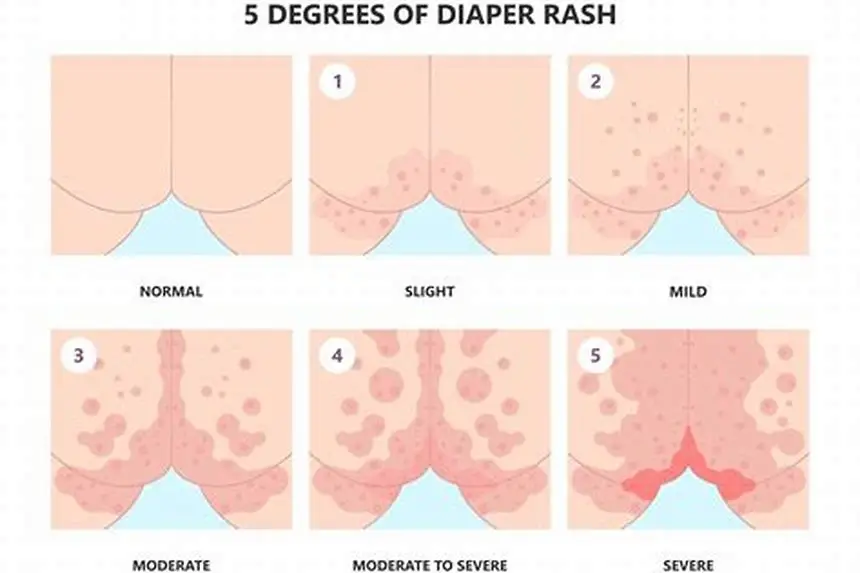
A plain barrier treats diaper rash by preventing moisture contact, not by actively healing it. If the rash is from yeast or bacteria (which show as satellite spots spreading outward, or a raw beefy-red appearance that doesn't respond in 3 days) a barrier cream alone won't fix it, and you need your pediatrician to prescribe an antifungal or antibiotic ointment.
| Barrier type | Main ingredient | Best for | Greasiness | Cost range |
|---|---|---|---|---|
| Petrolatum | 100% mineral oil | Mild rash, sensitive skin | High | Budget-friendly |
| Zinc oxide cream | 10–40% zinc oxide in oil | Moderate rash, moisture control | Medium | Mid-range |
| Calmoseptine | Menthol + zinc + calamine | Intact rash, 2+ months old | Low | Mid to premium |
When a barrier cream is the wrong tool and you need to call the pediatrician
Stop using any barrier cream and contact your pediatrician if the rash spreads despite daily application for 3 to 4 days, or if satellite spots appear: small red bumps spreading outward from the main rash area. Satellite spots signal yeast infection, which barrier creams don't treat. Your pediatrician will prescribe an antifungal ointment like miconazole or nystatin. Using barrier cream alone on fungal rash buys time but won't clear it.
Also call if the rash becomes raw, blistered, or oozes fluid. At that stage, the skin barrier is seriously compromised and needs professional evaluation. The rash might be bacterial, or it might be a reaction to an ingredient in the cream itself. Don't layer on more product hoping it will help: more barrier on broken skin traps moisture and heat and often makes things worse.
If your baby runs a fever or shows signs of infection (pus, warmth, swelling) that's not a diaper-rash situation anymore. Infection in the diaper area can spread to the urethra or bloodstream, and your pediatrician needs to assess it in person. Barrier creams are for simple moisture rash, not infection.
Rash that clears and returns within days also warrants a call. Recurring rash suggests a pattern: perhaps the diaper brand irritates the skin, or the baby's washcloths are treated with fabric softener, or moisture is pooling because diapers aren't being changed frequently enough. Your pediatrician can walk through those patterns with you, and no cream will fix a recurring problem if the root cause isn't addressed.
Why adult hemorrhoid products explain the age restriction
Calmoseptine isn't unique to infant care. The identical formula (menthol, zinc oxide, and calamine) is sold as an adult hemorrhoid ointment and minor wound protectant. That dual purpose explains the age line immediately. Menthol is potent enough to relieve hemorrhoid pain and itching. If it can numb hemorrhoid tissue, which is sensitive adult tissue, it's too strong for newborn skin without testing and approval.
Adult versions don't carry an age restriction because adults' skin barrier is fully mature. A product that works on hemorrhoids works on diaper rash for the same reason: menthol deadens nerve endings, and zinc oxide and calamine soothe inflammation. But the dose that helps an adult hemorrhoid is the same dose in the infant tube. The difference is skin maturity, not formulation.
This is why reading the label matters. You might find a tube of your own hemorrhoid cream in the medicine cabinet and think, 'The ingredients are the same: why not use it on the baby?' The answer is that the approval pathway and testing differ. Your pediatrician or the manufacturer didn't run safety trials on that formulation for infants under 2 months. Using an adult product on a baby, even with identical ingredients, voids the safety testing and puts you outside medical guidance.
The age specification is your assurance that someone tested the product on the population it claims to serve. That's why it matters beyond just following rules.
What to check if your pediatrician gave you a tube
If your pediatrician handed you a tube of Calmoseptine or similar ointment during a visit, confirm three things before using it. First, check the expiry date on the bottom of the tube. Clinics sometimes stock old inventory, and a tube from last year may have degraded. Second, read the full ingredient list to confirm it's actually Calmoseptine or whatever the pediatrician named: decanted or mislabeled tubes happen. Third, confirm your baby's age falls within the label's range. A pediatrician might prescribe Calmoseptine for a 6-week-old with mild rash because they've decided the benefit outweighs the menthol risk, but that's their call to make explicitly: not a reason to assume it's safe for every baby under 2 months.
If the tube is unmarked or decanted into a smaller container with no label, don't use it. You have no way to verify what's inside, when it was made, or whether it's still safe. Ask the clinic for a labeled tube instead.
Questions people still ask
Can I use Calmoseptine on my newborn if the rash is really bad?
No. The age restriction exists because newborn skin hasn't fully matured its barrier function. Even a severe rash doesn't change that. Use a plain petrolatum or zinc-oxide-only cream instead, and call your pediatrician if it's not improving in a few days. Severe rash at birth age may be infection or allergy, which need evaluation.
What's the difference between Calmoseptine and regular diaper cream?
Regular diaper creams are usually plain petrolatum or zinc oxide without menthol. Calmoseptine adds menthol and calamine for extra cooling and soothing sensation. Menthol is why Calmoseptine requires 2 months minimum age. For mild rash, plain cream works fine; Calmoseptine is for babies old enough to tolerate menthol and parents who want the extra soothing effect.
Can I use Calmoseptine on my baby's face or other body rashes?
No. Calmoseptine is formulated and approved only for diaper rash. Menthol on facial skin or other sensitive areas can irritate or cause systemic absorption. If your baby has a rash elsewhere, ask your pediatrician what's appropriate for that area.
Do I have to wipe Calmoseptine off before applying a fresh layer?
No. The old layer stays on the skin. You can apply new ointment over the dried layer. Wipe off only if stool directly contacted the area. Constant removal and reapplication irritates healing skin unnecessarily.
Why does the rash come back even though I'm using Calmoseptine every day?
Recurring rash usually signals an underlying cause, not cream failure. Common culprits are infrequent diaper changes, detergent or fabric softener irritation, or the diaper brand itself. A barrier cream treats the symptom but won't solve a cause like changing diapers only twice a day. Talk to your pediatrician about the pattern.
Is Calmoseptine the same as the adult hemorrhoid cream?
Yes, the formula is identical: menthol, zinc oxide, and calamine in the same percentages. The difference is age approval and testing. The pediatric version is labeled and tested for 2 months and up; adult versions aren't tested on infants. Using the adult version on a baby is outside medical guidance.