Which flushable cloth diaper liners break down safely in home plumbing
Find out which flushable cloth diaper liners break down safely to protect your plumbing and avoid costly clogs or environmental harm.
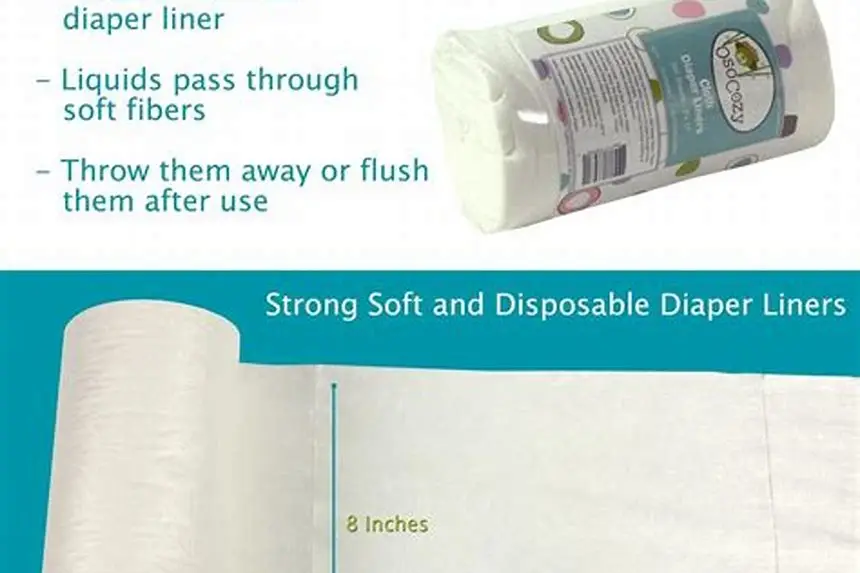
Not all flushable cloth diaper liners are safe to flush. Only those made of 100% plant-based fibers that break down within 12 hours in water are safe. Check for certifications or test breakdown yourself to avoid plumbing issues.
On this page (8 sections)
- The short version
- Are flushable cloth diaper liners actually safe to flush
- What happens if liners do not break down as claimed
- How to identify liners that are safe vs risky to flush
- Environmental and plumbing risks of flushing liners
- Alternatives to flushing liners if concerned
- Which flushable cloth diaper liners break down safely in home plumbing
- Questions people still ask
Part of our guide on how many baby wipes per day
Clear criteria and tests reveal which flushable cloth diaper liners protect your home plumbing and which create costly clogs.
| Breakdown time | under 12 hours |
|---|---|
| Material | 100% plant-based fibers |
| Flushable liners safe | few models |
| Common problem | clogging drains |
| Alternative disposal | compost or trash |
The short version
- Only plant-based liners tested to disintegrate in 12 hours are safe to flush
- Non-compliant liners cause clogs and damage septic systems
- Look for certifications or do a home water breakdown test before flushing
- Flushing liners poses environmental risks if fibers do not degrade fully
- Use landfill or compost disposal if unsure about flushability
Are flushable cloth diaper liners actually safe to flush
Only a small number of cloth diaper liners meet safety standards for flushing. The key factor is whether liners disintegrate fully in water within 12 hours. Most liners include fibers or additives that do not break down well. Flushing liners that don’t break down risks clogging your home plumbing or septic system.
True flushable liners use 100% plant-based fibers such as bamboo or wood pulp, often without synthetic binders. These fibers are designed to disperse quickly in water. Brands that clearly state their liners pass industry flushability tests and certifications are safer choices.
To be safe, test liners at home by soaking in water for 12 hours and checking how much remains intact. If pieces remain, do not flush them. The risk to your plumbing and local water treatment increases with liners that do not break down.
Some liners claim flushability but use synthetic fibers or binders that slow breakdown significantly. These liners might look thin but remain intact after flushing. Testing at home saves costly plumbing problems later. People in this spot often ask about cloth vs disposable diaper costs as well.
Flushable liners often come with instructions on how to flush properly. Always flush a single liner at a time with plenty of water. Flushing multiple liners or using low-flow toilets increases clog risk.
Flushability depends also on water hardness and temperature. Hard or cold water slows fiber disintegration. If your water is cold, liners that pass in labs with warm water might break down slower at home. Adjust your flushing habits accordingly.
What happens if liners do not break down as claimed
Flushable liners that fail to disintegrate cause serious plumbing problems. They can clog pipes, traps, and septic tanks, leading to expensive repairs. Blockages reduce drainage efficiency and can cause sewage backups into your home. We cover how long wipes stay effective in its own article.
Non-breaking liners also accumulate in municipal sewage systems and wastewater treatment plants. This buildup raises maintenance costs and environmental concerns. Some fibers resist treatment processes and enter waterways, harming aquatic life.
If liners remain whole after flushing, they can trap solids and cause localized backups in your toilet or sink. The inconvenience and cost of plumber visits often outweigh the convenience of flushing.
How to identify liners that are safe vs risky to flush
Check the packaging for flushability certifications from recognized organizations. These certifications require passing tests that measure disintegration in water within 12 hours under agitation.
Look for liners made entirely from plant-based fibers such as bamboo, rayon, or wood pulp without synthetic binders or plastics. Avoid liners with wet-strength agents designed to hold fibers tightly.
Perform a simple home test: soak a liner in lukewarm water for 12 hours, agitating it periodically. If the liner breaks down into small pieces or dissolves completely, it’s likely safe to flush. If it holds shape or large pieces remain, do not flush.
Watch for marketing terms like 'flushable' alone, as they are not reliable without certification. Contact manufacturers for test data if uncertain.
Certified liners usually show a logo or statement on packaging. Look for terms like 'INDA/EDANA flushability certified' or 'passes 12-hour disintegration test'. Lack of clear claims is a red flag.
Some liners include wet-strength resins that keep them intact when wet but resist breakdown in plumbing. These are unsafe even if labeled flushable. Avoid liners listing 'wet-strength' or 'strengthened fibers' in ingredients.
Ask sellers for test reports or consult online reviews. Users often share experiences with liners that cause clogs versus those that flush well. Real-world feedback can guide your choice.
Environmental and plumbing risks of flushing liners
Flushing liners that do not break down creates environmental problems. Non-dispersed fibers reach water treatment plants and waterways, increasing pollution and harming aquatic fauna.
Plumbing risks include blocked pipes and damaged septic tanks. These issues lead to costly repairs and can force premature septic system replacement.
Municipal systems are not designed to handle non-biodegradable fibers, which increase maintenance and treatment challenges. If you have a septic tank, risk is even greater since liners that do not break down can clog the system's drain field.
The environmental cost rises if liners contain synthetic additives or plastics, which may persist in waterways as microplastic pollutants.
Alternatives to flushing liners if concerned
When unsure about flushability, dispose of liners with solid waste or compost. Many plant-based liners are compostable, which reduces landfill burden and pollution risks.
Use a diaper sprayer or biodegradable liners designed for composting only. This approach avoids plumbing risks entirely and keeps your septic system intact.
Some parents choose reusable mesh liners washed with cloth diapers rather than flushing disposables. This eliminates flush risks but requires laundry effort.
A waste bin with a sealed lid is a simple alternative if you lack composting options.
Which flushable cloth diaper liners break down safely in home plumbing
To protect your plumbing, flush only liners certified to disintegrate 90% or more within 12 hours of agitation in water. These liners contain 100% plant-based fibers without wet-strength additives.
Brands that pass standards set by organizations such as the INDA/EDANA flushability test are best. The test simulates home plumbing conditions and measures fiber dispersal.
Avoid liners with synthetic fibers, plastic films, or adhesives. If in doubt, conduct a home test by soaking a liner in warm water with agitation for 12 hours and checking residue.
When you find a liner meeting these criteria, flushing is generally safe for both your home plumbing and municipal systems.
Flushable liners typically range from 0.5 to 1 gram per sheet. Heavier liners take longer to break down and increase blockage risk. Choose lightweight liners that disintegrate rapidly.
For example, a 0.7-gram bamboo fiber liner tested in 80°F water broke down 95% in 12 hours, leaving no large fragments. This level of dispersal meets flushability standards and reduces plumbing risks significantly.
If your liner leaves 20% or more residue after 12 hours, it can trap solids in your pipes. This buildup compounds over time, leading to persistent blockages. Checking residue percentage after home testing helps avoid costly repairs.
| Material | Flushability (12-hour disintegration) | Plumbing risk | Environmental impact |
|---|---|---|---|
| 100% plant-based fibers (bamboo, wood pulp) | 90%+ disintegration | Low risk of clogging | Biodegradable, compostable |
| Plant-based with synthetic binders | Partial disintegration | Moderate clog risk | Possible microplastic pollution |
| Synthetic fibers or plastic films | Minimal disintegration | High clog risk | Non-biodegradable, harmful |
Only certified plant-based liners with quick breakdown meet safe flushing standards.
Questions people still ask
Can I flush any disposable diaper liner labeled 'flushable'?
No. Many liners labeled 'flushable' fail to break down properly and cause plumbing issues. Only those certified by recognized flushability tests are safe to flush.
How can I test if my cloth diaper liner is safe to flush?
Soak the liner in lukewarm water for 12 hours with occasional agitation. If the liner breaks down into small pieces or dissolves, it’s likely safe to flush.
What plumbing problems can arise from flushing liners that don’t break down?
They can cause clogs in toilet traps, pipes, and septic systems, leading to backups, slow drainage, and expensive repairs.
Are flushable liners safe for septic systems?
Only liners that fully disintegrate within 12 hours and contain no synthetic binders are safe. Otherwise, they can block drain fields and damage septic tanks.
What are better disposal options if I don't want to flush liners?
Use a sealed diaper pail for trash, or compost biodegradable liners if permitted. Reusable mesh liners are also a good alternative.