Where to find free diapers and wipes near you and how to qualify
You can get free diapers and wipes through local diaper banks, government assistance programs, and nonprofit organizations. Eligibility depends on income, family size, and location. Applying requires proof of income, ID, and sometimes a child’s age verification.
On this page (8 sections)
- What matters most
- Programs and organizations offering free diapers and wipes
- How to check eligibility for free diaper and wipe assistance
- How to apply and what documents are needed
- Where to find local distribution centers or events
- How to get free diapers and wipes near you and how to qualify
- Diaper needs to maintain dryness and prevent rashes
- Questions people still ask
Part of our guide on replacement diaper genie bags locations
The numbers
- Typical diaper need
- 6-12 daily
- Eligibility income limit
- Varies by program
- Common required docs
- ID, income proof
- Average diaper bank supply
- Monthly allotment
- Wipes availability
- Often included free
What matters most
- Diaper banks and nonprofits often provide free diapers and wipes based on income.
- Eligibility usually requires proof of low income or participation in assistance programs.
- Applications typically need ID, proof of income, and child’s age documents.
- Local distribution centers can be found via online searches or community health offices.
- Applying early and keeping required documents ready speeds up access.
Programs and organizations offering free diapers and wipes
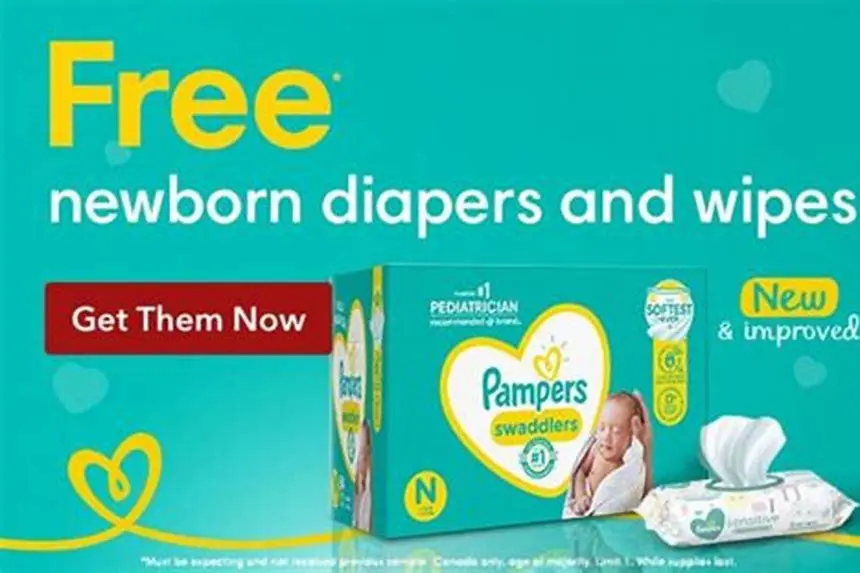
Free diapers and wipes primarily come from diaper banks, charitable groups, and some government programs. Diaper banks are nonprofit organizations that distribute diapers and wipes directly to families in need or through partner agencies. They typically provide monthly supplies that range between 50 to 100 diapers per child, depending on age and need.
Some government assistance programs, while not directly providing diapers, support families by offering vouchers or funds that can be used toward diaper purchases. These include programs like WIC in some states and TANF, which vary regionally in their coverage. Certain health clinics and community centers also distribute free supplies on scheduled days or by appointment.
National organizations such as The National Diaper Bank Network coordinate many local diaper banks and can direct you to the nearest program. Religious groups and women’s shelters are alternative sources worth checking if community resources fall short.
| Provider Type | Free Items Provided | Typical Quantity | Access Method |
|---|---|---|---|
| Diaper Banks | Diapers and wipes | 50-100 diapers/month | Referral or direct visit |
| Government Programs | Vouchers or funds | Depends on program | Application required |
| Health Clinics | Diapers and wipes | Limited quantities | Event-based or appointment |
| Shelters/Religious Groups | Mostly diapers | Varies | Walk-in or referral |
How to check eligibility for free diaper and wipe assistance
Eligibility for free diapers and wipes usually revolves around household income, family size, and sometimes participation in existing assistance programs like SNAP or WIC. Income limits often align with 150% to 200% of the federal poverty level, but exact thresholds depend on the program and state. Before you commit to anything, it is worth looking at understanding pampers swaddlers.
Some diaper banks require proof that the child is under a certain age, typically under 3 years. Others may ask for residency proof to ensure local families benefit first. Eligibility details are often published on the program’s website or available by phone.
You can generally start by checking your income against local program limits, which are usually based on gross monthly or annual income. If you receive other public benefits, this can simplify approval. If uncertain, many programs offer a quick phone screening.
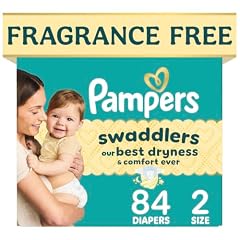
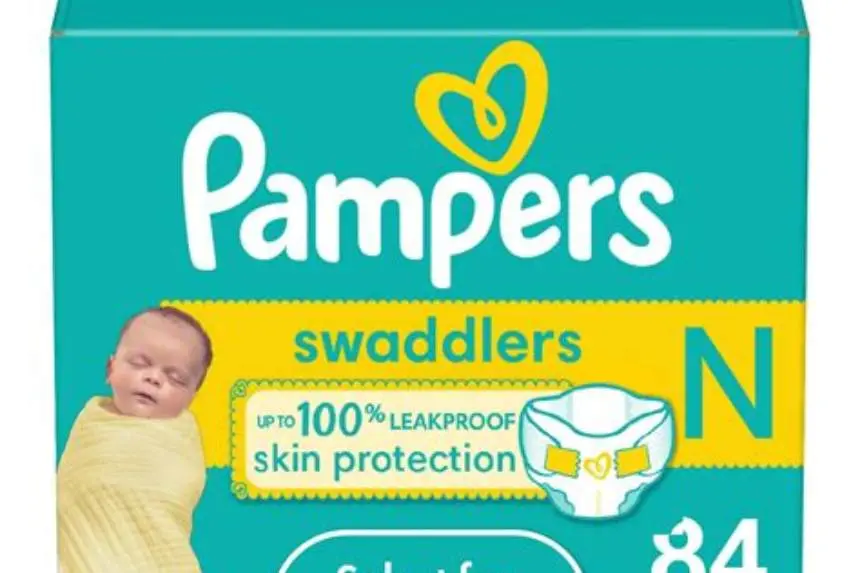
Swaddlers Diapers, Size 2 (10-22 lbs), 84 Count, Absorbent, Keeps Baby Dry
Fits babies 10-22 lbs with 84 diapers per pack, supporting daily diaper changes for proper dryness and rash prevention.
How to apply and what documents are needed
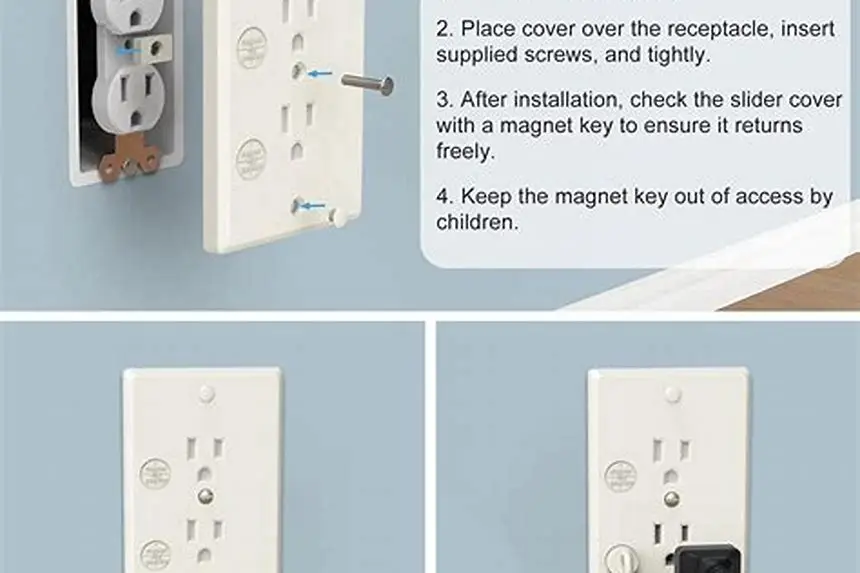
Applying for free diapers and wipes usually requires completing an application form either online, by mail, or in person. The application asks for household income, number of children, and address. You must provide documentation to verify this information. It helps to understand magnetic outlet cover that stays closed with fridge magnets nearby before going further.
Commonly required documents include a government-issued photo ID, recent pay stubs or tax returns to prove income, and a birth certificate or immunization record to verify the child’s age. Some programs may ask for proof of enrollment in government benefits programs to fast-track eligibility.
It is best to gather these documents ahead of applying. Many programs allow you to submit scanned copies or photos via email or their website. Keep originals handy if you need to attend an in-person appointment.
- Find your local diaper bank or program online or through community referrals.
- Download or request an application form.
- Gather required documents: ID, income proof, child’s age proof.
- Complete the application form accurately.
- Submit application with documents via the accepted method.
- Follow up if you do not hear back within 2 weeks.
Where to find local distribution centers or events
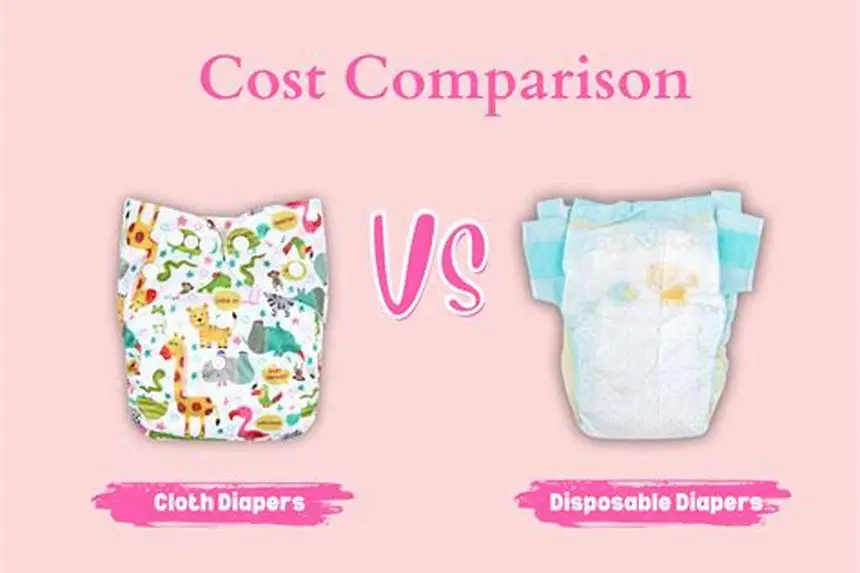
You can locate nearby distribution centers or diaper giveaway events by searching online for “diaper banks near me” or contacting local health clinics and social service offices. Many diaper banks publish their hours and distribution locations on their websites or social media pages. The other half of this decision is baby comfort and diaper choice.
Community centers, churches, and public libraries often host diaper distribution events on a monthly or quarterly basis. Timing and quantity available vary, so it’s important to confirm details before visiting.
Some states have coordinated diaper assistance programs with centralized contact numbers or websites that list all participating agencies. If you have trouble locating a resource, your pediatrician’s office or WIC clinic can often refer you to current diaper distribution sources.
How to get free diapers and wipes near you and how to qualify
To get free diapers and wipes near you, start by identifying local diaper banks or nonprofit organizations that serve your area. Next, review their eligibility criteria, which usually involve income thresholds and proof of a child under age 3. We go through tracking wipes use over time step by step elsewhere on the site.
Gather your ID, proof of income, and documentation for your child before applying. Submit the application according to the program’s instructions: this might be online, by phone, or in person. Some programs require a referral from a social worker or healthcare provider.
Once approved, you will typically receive a monthly supply of diapers and wipes either by pickup or mail. Renew eligibility as requested to continue receiving supplies. Staying organized with documents and application dates prevents gaps in support.
- Find nearby free diaper programs by searching or calling local agencies.
- Check each program’s eligibility based on your household income and child’s age.
- Collect necessary documents: ID, income verification, child’s proof.
- Complete and submit the application according to instructions.
- Attend distribution appointments or accept mail delivery as arranged.
- Reapply or update eligibility documents as needed.
Diaper needs to maintain dryness and prevent rashes
Babies usually need between 6 and 12 diaper changes daily depending on age and feeding habits. Using the right number of diapers keeps the baby dry and minimizes diaper rash risk. Free diaper supplies should be enough to cover this daily need; if not, supplement carefully. There is more on using diaper coupons effectively in a separate guide.
Wipes are important to clean the baby’s skin gently during each change. Choosing unscented, hypoallergenic wipes reduces irritation. Most free diaper programs include wipes; if your supply runs low, using a gentle washcloth with water helps protect delicate skin.
Always check diaper sizes offered by assistance programs. Ill-fitting diapers (too small or too large) can leak or cause chafing, increasing rash chances. If free diapers don’t fit well, you might need to buy the correct size, a trade-off many parents accept for skin health.
Questions people still ask
Can I get free diapers and wipes if I’m not on government assistance?
Yes, many diaper banks provide free supplies based on income alone, regardless of government assistance status. Check local programs for their specific eligibility rules.
How often can I receive free diapers and wipes?
Most programs distribute supplies monthly, providing enough diapers and wipes to cover a child’s typical usage between appointments.
What if the free diapers I receive don’t fit my baby?
Sizes vary by program. If the supplied diapers don’t fit well, you may need to supplement with purchased diapers sized correctly to prevent leaks and rashes.
Are wipes always included with free diaper distributions?
Many programs include wipes, but not all. Confirm with your local distributor and plan to supplement if needed.
What documents do I need to prove my child’s age?
Birth certificates, immunization records, or government-issued health documents showing the child’s date of birth are commonly accepted.