Are modern cloth diapers cost-efficient for your baby's diapering needs?
We compare cloth and disposable diapers’ costs in typical family situations to see which saves more money without compromising baby comfort.
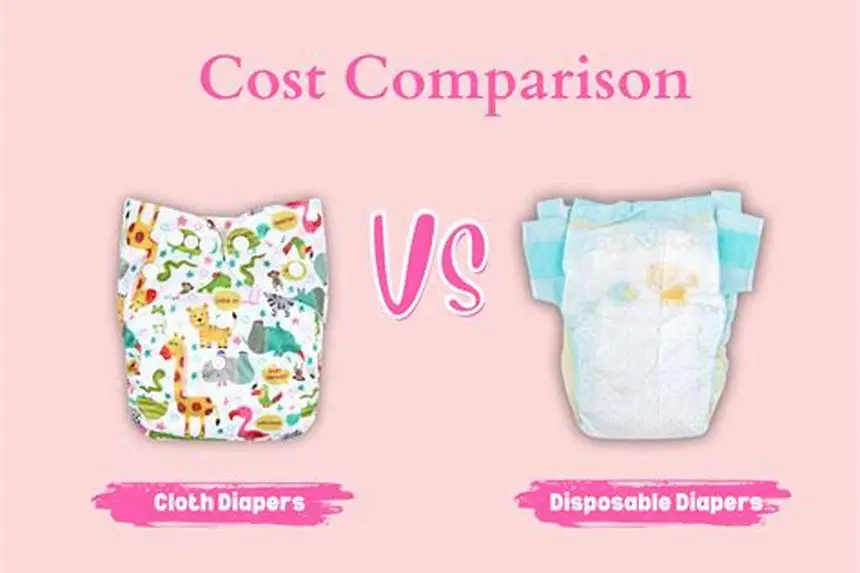
Modern cloth diapers can be cost-efficient compared to disposables when used for at least 12 months with 20-30 diapers in rotation, factoring in laundry costs and diaper longevity.
On this page (8 sections)
- Key takeaways
- Understanding the costs of modern cloth and disposable diapers
- How real-family scenarios affect cloth diaper cost efficiency
- Are modern cloth diapers cost-efficient compared to disposable diapers in real-family scenarios
- How cloth diapers keep your baby dry and rash-free compared to disposables
- How to evaluate if cloth diapers fit your family's budget and lifestyle
- Summary of the cost efficiency and practical trade-offs of modern cloth diapers
- Questions people still ask
Part of the guide: Which baby wipe suits sensitive skin and avoids diaper rash
This guide quantifies cloth and disposable diaper costs in real family scenarios, revealing when modern cloth diapers truly save money and keep babies comfortable.
| Cloth diaper lifespan | 2-3 years |
|---|---|
| Average daily diaper changes | 6-10 |
| Typical cloth diaper rotation | 20-30 units |
| Water use per wash | 10-15 gallons |
| Disposable diaper use period | 12-24 months |
Key takeaways
- Cloth diapers typically cost 30-70% less over a year than disposables used continuously
- Laundry expenses and water availability impact cloth diaper savings
- Disposable diapers offer convenience but at a higher total cost
- Savings depend heavily on diaper count, baby’s age, and family routine
- Comfort and rash outcomes vary more by hygiene and fit than diaper type
Understanding the costs of modern cloth and disposable diapers
Cloth diapers generally cost between $15 and $30 each, usable for around 2 to 3 years depending on fabric and care. Families often need 20 to 30 diapers in rotation to allow for washing cycles. Disposable diapers cost about 20 to 35 cents per diaper and are discarded after a single use.
The frequency of diaper changes varies but newborns may need 8 to 12 changes daily, decreasing to around 6 by 6 months. Families use about 2,000 to 3,000 disposables per child over the diapering period, typically 12 to 24 months.
Laundry expenses add water, detergent, electric, and labor costs to cloth diapering. Water use averages 10 to 15 gallons per wash load based on washing machine efficiency. Detergent quality and quantity also impact cleaning and diaper longevity.
The resale or second-hand market for cloth diapers can also influence overall cost efficiency. Some families recoup part of their investment by selling diapers in good condition after use, often recovering 30-50% of the initial cost. This potential resale value contrasts with disposables, which have no resale value. Additionally, the choice of diaper material impacts longevity: high-quality cotton or bamboo diapers may last longer and maintain absorbency better, stretching the cost over a greater number of uses. People in this spot often ask about diapers fitting newborn size as well.
Seasonal and climatic conditions affect laundering frequency and drying time, thus altering cost efficiency. In humid or rainy climates, cloth diapers may require indoor drying using electricity-powered dryers, increasing energy costs substantially compared to sun-drying. Conversely, in dry sunny areas, sun-drying can reduce energy consumption and help sanitize diapers naturally, enhancing both cost savings and hygiene.
| Item | Cloth Diapers | Disposable Diapers |
|---|---|---|
| Unit cost | $15-$30 per diaper | 20-35 cents per diaper |
| Usage lifespan | 2-3 years per diaper | Single use per diaper |
| Required quantity | 20-30 diapers | 2000-3000 diapers |
| Laundry water use | 10-15 gallons/load | N/A |
| Total diaper changes | 6-12 daily changes | 6-12 daily changes |
- Reusable, lower recurring cost
- Less landfill waste
- Potentially gentler fabrics
- Laundry effort and cost
- Initial investment
- Requires storage and drying space
How real-family scenarios affect cloth diaper cost efficiency
In families with limited laundry access or large daily diaper changes, cloth diapering can be less cost-efficient due to extra water and energy use. Small homes without good drying space add friction to cloth use.
For parents able to wash frequently with energy-efficient machines and sun-dry diapers, savings compared to disposables can reach 40-70% over a 12-month diapering phase. We go through baby wipes per day amount step by step elsewhere on the site.
Families with twins or multiple young children increase the diaper count and laundry loads, often improving cloth diaper cost efficiency because the fixed investment spreads over more diapers used. However, convenience loss rises.
Parents prioritizing convenience over cost often lean toward disposables despite higher expense. The cost trade-off is clear: cloth saves money but adds laundry and storage burdens.
Parents' work schedules and availability influence the feasibility and cost-effectiveness of cloth diapering. Families where caregivers are home during the day can wash and change diapers promptly, minimizing the stash size needed and reducing water and energy costs. In contrast, working parents relying on daycare or babysitters may find managing cloth diapers less practical, increasing reliance on disposables or larger diaper inventories. This dynamic affects overall cost efficiency beyond simple price comparisons. There is more on pampers swaddlers diaper sizes in a separate guide.
Access to high-efficiency washing machines significantly impacts the environmental and financial cost of laundering cloth diapers. Machines with Energy Star ratings use 20-50% less water and electricity than older models, reducing monthly utility expenses by approximately $5-10. This saving accumulates over a year, narrowing the cost gap between cloth and disposables.
Family size and sibling age gaps also matter. A family with closely spaced children may reuse cloth diapers for multiple babies, effectively spreading the initial investment over a longer period and reducing average monthly diapering costs. However, if children are spaced widely, the diapers may require storage and maintenance, potentially adding costs or decreasing resale value.
- Improved savings with multiple children
- Cost benefits grow with longer use
- Laundry and drying constraints
- Convenience reduced in large families

DAE AS250U-100 1" Water Meter
Measures water consumption in gallons per laundry load with accuracy +/-1.5% and flow rates up to 50 GPM, helping determine water costs for cloth diaper laundry.
Are modern cloth diapers cost-efficient compared to disposable diapers in real-family scenarios
The cost efficiency of modern cloth diapers versus disposables depends heavily on how long you use them and how many diapers are in your rotation. Using 20-30 diapers with 6-8 daily changes for at least 12 months typically results in savings of 30-70%.
Cloth diapers require upfront investment between $300 and $600 for a full stash, while disposables cost about $70 to $100 per month continually. Laundry and detergent add $15-35 monthly to cloth diaper costs depending on local utility rates.
Diaper rash rates and dryness tend to depend more on diaper fit and hygiene than the diaper type itself. Cloth diapers with proper washing and absorbent inserts keep babies dry and rash-free similarly to disposables.
Your family routine and access to laundry facilities are decisive. If washing frequently is impractical, disposables might be more cost-efficient despite their recurring cost because they avoid laundry expenses and time.
| Cost element | Cloth diapers | Disposable diapers |
|---|---|---|
| Initial investment | $300-$600 | $0 |
| Monthly laundry cost | $15-$35 | $0 |
| Monthly diaper cost | $0 (reused) | $70-$100 |
| Total year cost approx. | $480-$1,020 | $840-$1,200 |
How cloth diapers keep your baby dry and rash-free compared to disposables
Modern cloth diapers use absorbent inserts and breathable fabrics that keep moisture away from the baby's skin, similar to disposables. Their breathability may reduce rash occurrence if changed promptly.
Disposable diapers contain superabsorbent polymers that lock liquid efficiently but can cause skin irritation in sensitive babies. Cloth diapers avoid chemical exposure but require thorough washing to prevent bacteria build-up.
Frequent changes and proper cleaning are more critical than diaper choice alone in preventing rashes. Families using cloth should ensure detergents are residue-free and diapers fully dried to maintain hygiene.
Both diaper types need fit adjustments as babies grow. Cloth diapers with adjustable snaps or hook-and-loop closures often provide better custom fit, reducing leaks and discomfort.
Some parents find that cloth diapers require more frequent changing to keep the baby dry, especially overnight. This need can increase laundry loads and reduce cost savings if extra diapers are needed to maintain freshness and hygiene. For example, a baby needing 8 changes per day instead of 6 raises both laundry and diaper wear frequency, affecting budget calculations.
Anecdotal reports suggest that certain cloth diaper brands with naturally antibacterial fabrics like hemp or organic cotton may help reduce diaper rash incidence. These materials sometimes retain absorbency longer, improving dryness and comfort. While scientific data are limited, families observing fewer rashes with such diapers may find cloth diapers more appealing despite potentially higher upfront costs.
Parents often use cloth diaper liners or boosters for additional absorbency or easier cleanup. These accessories add to the initial investment and laundering workload but can enhance dryness and reduce rash risk. Factoring in these extras is important when calculating total cloth diaper costs and comparing them with disposables.
- Breathable fabrics for fewer rashes
- Adjustable fit options
- Reduced chemical exposure
- Need careful washing to prevent bacteria
- More labor intensive
How to evaluate if cloth diapers fit your family's budget and lifestyle
Start by calculating your average monthly diaper usage and how many diapers you would need in rotation to avoid running out between laundry cycles. Twenty to thirty diapers usually balance convenience and washing frequency.
Factor in your utility rates: water, electricity, and detergent quality affect your ongoing cloth diapering costs. Energy-efficient washers and sun-drying reduce expenses significantly.
Estimate convenience trade-offs realistically: cloth diapering takes time for washing, drying, and folding. Consider if your schedule and space support this workload.
If your baby will need diapers for under a year, or if you travel often without laundry access, disposables might be better suited economically despite higher cost.
- Calculate your baby's average daily diaper changes.
- Estimate diaper stash size (20-30 for cloth).
- Calculate water and energy cost per laundry load.
- Compare total estimated costs of disposables vs cloth over intended usage period.
- Assess laundry facilities and personal time commitment.
Summary of the cost efficiency and practical trade-offs of modern cloth diapers
Modern cloth diapers offer substantial cost savings over disposables when used consistently for 12 months or longer by families with good laundry access and willingness to manage washing duties.
The initial investment and ongoing laundry costs weigh against the convenience of disposables but often pay off over time. Babies’ comfort and rash incidence depend largely on fit and hygiene rather than diaper type.
Families with twins, extended diapering needs, or environmentally aware priorities find cloth diapers more cost efficient and satisfying. Others valuing ease and flexibility may accept higher disposable costs.
Choosing between cloth and disposables comes down to your family's diaper use, lifestyle, and budget. Neither option guarantees dryness or rash prevention alone.
- Long-term savings potential
- Environmentally friendlier
- Adjustable and breathable
- Laundry effort required
- Upfront cost
- Dependent on home setup
Questions people still ask
Does cloth diapering really save money if I have twins?
Yes, twins increase diaper use and laundry volume, making cloth diapering more cost-efficient as the fixed investment is spread over more diapers, but laundry workload rises significantly.
How does water availability affect cloth diaper cost efficiency?
High water costs or limited supply increase cloth diaper expenses and may reduce savings compared to disposables, especially if frequent washing is needed for hygiene.
Are cloth diapers better for preventing diaper rash?
Cloth diapers can reduce rash risk due to breathability and absence of chemicals, but proper cleaning and frequent changes are more important factors overall.
How many cloth diapers do I need to buy to start?
A rotation of 20 to 30 diapers is typically recommended to manage laundry cycles and diaper changes without running short.
What laundry detergents are safe for cloth diapers?
Use detergents free from fragrances, dyes, and fabric softeners to avoid residue build-up and skin irritation; follow manufacturer guidelines.