Do baby wraps cause bow legs or harm newborns under safe use conditions?
Baby wraps are safe when used correctly, with no direct link to bow legs if positioning guidelines are followed.
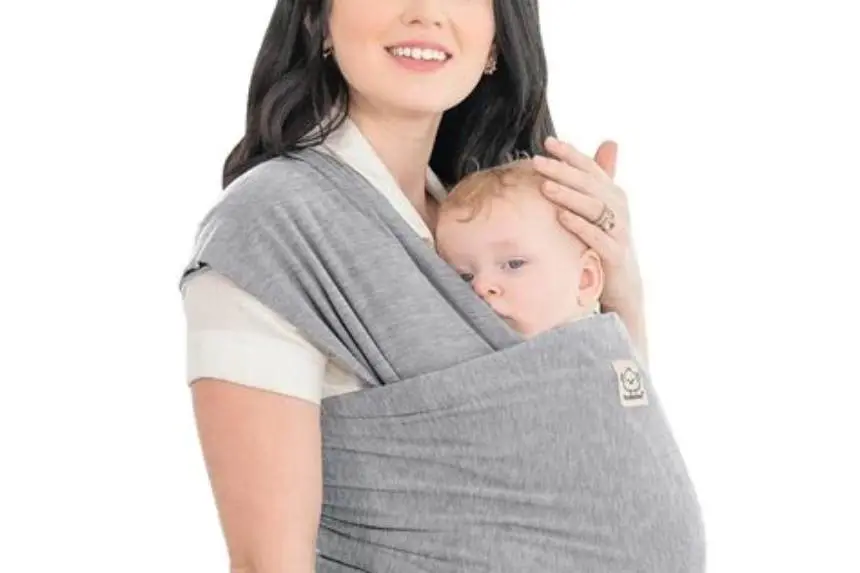
Baby wraps are not bad for babies when used according to safe positioning guidelines; they do not cause bow legs if the baby's hips are supported in an ergonomic 'M' position with knees above hips.
On this page (8 sections)
- Key takeaways
- Are baby wraps bad for babies under safe use conditions
- Do baby carriers cause bow legs in babies
- How to position your baby safely in a wrap to avoid harm
- Weight and age limits that impact baby wrap safety
- Comparing baby wraps to other baby carriers in terms of hip health
- Are baby wraps bad for babies
- Questions people still ask
Part of our guide on boba wrap sizing guide
| Hip position | Flexed, spread 'M' |
|---|---|
| Knee angle | Above hips |
| Weight limits | Follow manufacturer |
| Risk of bow legs | No with proper use |
| Safe age range | Newborn onward with care |
Key takeaways
- Baby wraps are safe if they support an ergonomic hip position.
- Incorrect positioning, not wraps themselves, risks bow legs.
- Check that baby's hips remain flexed, knees bent, and thighs spread.
- Use wraps within manufacturer weight and age limits only.
- Proper wrap use supports spine and breathing without harm.
Are baby wraps bad for babies under safe use conditions
Baby wraps themselves are not inherently bad for babies. The determining factor for safety lies in how the wrap is used and how the baby is positioned within it. When the wrap supports the baby in a natural, ergonomic position, it promotes healthy development of hips and spine.
The risk of harm occurs primarily if the baby is positioned with legs hanging straight down and knees locked, which can stress hip joints and soft tissues. By contrast, a properly secured baby wrap holds the baby's thighs wide and hips flexed, promoting safe circulation and joint development.
Manufacturers specify safe weight and age limits because improper sizing or trying to carry a baby too heavy for the wrap’s design can cause unsafe posture or strain. Always check those limits to avoid mechanical risks.
Safe wrapping also ensures the baby's airway remains clear and the spine maintains a gentle curve. Over-tightening or incorrect fabric folding may cause discomfort or restricted breathing, which is a real safety concern unrelated to bow legs. We go through is traveling good for a baby step by step elsewhere on the site.
Do baby carriers cause bow legs in babies
There is no evidence that baby wraps or carriers cause bow legs when the baby’s hips are positioned properly. Bow legs result from developmental or genetic factors, not from carrying methods, assuming ergonomic carrying.
Babies’ hips should be supported with knees higher than the buttocks, forming an 'M' shape, to align with healthy hip joint development. This position reduces the risk of hip dysplasia and improper femur alignment that might otherwise contribute to bowed legs.
Incorrect use—such as letting the baby’s legs dangle straight down—places uneven pressure on the hip joints and soft tissues, increasing risk for joint stress and potentially influencing leg shape over time. This is not an inherent flaw in wraps but a misuse.
If you are concerned about your baby’s leg shape or hip health, a pediatric hip exam and consulting a pediatric orthopedist will give personalized guidance. Wraps that let you maintain ergonomic positioning are safer than those that don't.
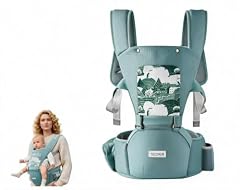
Baby Carrier, SEEDNUR Baby Carrier with Hip Seat, Baby Carrier Newborn to
Ensures baby maintains an ergonomic natural 'M' shaped sitting position to prevent hip dislocation and promote healthy hip development.
How to position your baby safely in a wrap to avoid harm
To use a baby wrap safely, position your baby so that hips are flexed and spread, knees bent and raised above the baby's bottom, forming the 'M' or frog-leg shape. This supports natural hip socket development and prevents undue pressure.
Make sure the fabric supports the baby’s entire back without compressing the chest, allowing for natural spinal curvature and easy breathing. The baby's face should be visible and uncovered, with chin off the chest to maintain an open airway.
Regularly check the wrap’s tightness—tight enough to keep the baby close and upright but not so tight that it compresses or restricts movement. Loosen or adjust if the baby seems uncomfortable or if signs of restricted breathing occur.
Newborns often require more frequent adjustments because of their fragile airways and spinal development. Follow the manufacturer’s instructions for newborn-specific positioning and weight limits.
- Place baby in the center of the wrap fabric with legs spread wide.
- Wrap fabric snugly around baby’s back and bottom, ensuring knees are higher than the bottom.
- Tighten fabric to keep baby close and upright without compressing the chest.
- Position baby's head so the airway is clear and visible at all times.
- Check comfort and adjust as baby grows or shifts position.
Weight and age limits that impact baby wrap safety
Manufacturers state weight and age limits to ensure the wrap supports the baby’s growing size safely. Typically, wraps are designed for newborns up to toddlers around 25-35 pounds, depending on fabric strength and design.
Exceeding these limits risks improper posture and mechanical failure of the wrap fabric or ties, leading to falls or unsafe positions. During growth spurts or increased activity, frequent rechecks of fit and positioning are essential.
Newborns under about 8 pounds require more gentle positioning with extra support for head and neck. Over time, as muscle control improves, the baby can be carried higher and less tightly, but always within guidelines.
Choose a wrap style that fits your baby’s size and your body shape to maintain ergonomic posture for both. A poorly fitting wrap increases risk of slump or leg dangling.
Comparing baby wraps to other baby carriers in terms of hip health
Baby wraps, soft-structured carriers, and ring slings each offer different levels of adjustability and support. Wraps can be highly customizable, allowing precise hip positioning, which is beneficial for hip health if used correctly.
Soft-structured carriers often include padded seats designed to keep hips in an ergonomic position but might be less flexible for newborns until inserts are used. Ring slings offer quick adjustment but can risk uneven weight distribution.
None of these carriers cause bow legs if they keep the baby’s hips flexed and knees above the bottom. The key is ergonomic design and correct use, not the carrier type itself.
Choosing a carrier should factor in your baby’s developmental stage, your comfort, and the carrier’s ability to maintain safe posture throughout wear.
| Carrier type | Ergonomic hip position | Adjustability | Ease for newborns |
|---|---|---|---|
| Baby wrap | High (customizable 'M' shape) | Very high | Good with practice |
| Soft-structured carrier | High (preformed seat) | Medium | Needs infant insert |
| Ring sling | Medium (depends on adjustment) | High | Tricky for newborns |
Are baby wraps bad for babies
To directly answer: baby wraps are not bad for babies when used according to safety guidelines. The myth that they cause bow legs or developmental harm stems from incorrect positioning and misuse, not the wraps themselves.
Safety depends on keeping hips flexed and spread ('M' position), ensuring back and neck support, and following weight and age limits. These conditions prevent joint strain and support natural development.
Improper use, such as hanging legs straight down or overly tight wrapping, raises risks for both hip dysplasia and breathing issues, which are the real harms to watch for.
You should assess your wrap’s fit and your baby’s comfort regularly and learn proper wrapping technique through trusted sources or expert instruction.
Questions people still ask
Can improper use of baby wraps harm my baby’s hips?
Yes, letting a baby's legs dangle straight down or tightly wrapping the legs can place strain on hip joints, potentially increasing the risk of hip problems. Proper positioning with knees above hips prevents this.
Are all baby wraps equally safe for newborns?
Not necessarily. Safety depends on wrap material, size, and how you position your baby. Some wraps are better designed for newborn support and have specific instructions to ensure safe use.
How can I tell if my baby’s hips are positioned correctly in a wrap?
Check that your baby’s knees are bent and higher than the bottom, with legs spread to form an 'M' shape. The back should be supported, and the baby’s airway unobstructed.
Do baby wraps cause developmental delays?
No credible evidence links baby wraps to developmental delays. Proper use supports natural movement and bonding, which are beneficial for development.
When should I stop using a baby wrap?
Stop or switch wraps when your baby exceeds the weight or age limits specified by the manufacturer, or when they become too active to be safely contained. Transitioning to other carriers may be needed.