Moby wrap baby carrier weight limit: what baby size it actually fits
Clear guidance on the Moby wrap baby carrier weight limit and what it means for your baby's size and safety.
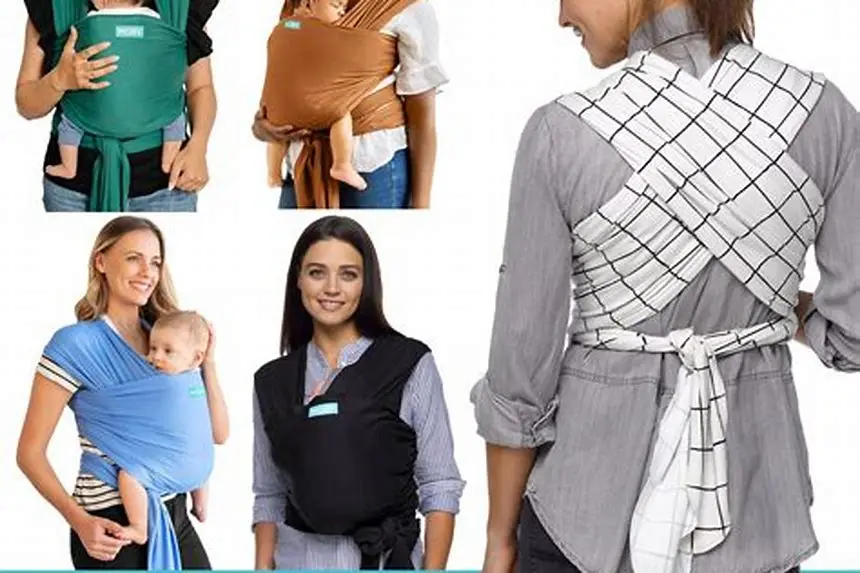
The Moby wrap officially supports babies from approximately 7 to 35 pounds, fitting newborns to toddlers around 12-18 months. Fit depends on baby size and parental comfort; exceeding 35 pounds risks safety and fabric strain.
On this page (8 sections)
- The short version
- The official Moby wrap baby carrier weight limit
- How to measure if your baby fits within the Moby wrap weight limit
- Risks of exceeding the Moby wrap weight limit
- Adjusting the Moby wrap for newborns versus toddlers
- Moby wrap baby carrier weight limit practical examples
- Choosing the right carrier as your baby grows beyond Moby wrap limits
- Questions people still ask
Part of our guide on boba wrap size chart for 5'9" parent
| Minimum baby weight | 7 pounds |
|---|---|
| Maximum baby weight | 35 pounds |
| Recommended age range | Newborn to 18 months |
| Wrap material | Cotton or cotton blends |
| Common safety risk | Fabric strain beyond 35 lbs |
The short version
- The Moby wrap's weight limit is about 7 to 35 pounds.
- Measure baby's weight and length to ensure proper fit.
- Newborns need snug, secure positioning in the wrap.
- Exceeding weight limit increases risks of falls and fabric failure.
- Adjust carry style as baby grows towards the limit.
The official Moby wrap baby carrier weight limit
The Moby wrap's manufacturer states a weight limit range from about 7 to 35 pounds. This range covers typical newborns through toddlers who have not yet surpassed 35 pounds: often between 12 and 18 months old depending on the child’s growth rate.
This limit depends on the wrap’s fabric strength and design. The Moby wrap is made from a long, stretchy fabric that distributes weight broadly across the wearer’s shoulders and back, but that fabric and stitching reach their safety margin near 35 pounds.
Attempting to carry babies heavier than this can lead to failures in the wrap’s integrity or an unsafe fit that could allow the baby to slip. The lower limit of 7 pounds exists because newborns lighter than this may require extra support and positioning methods to keep their airway clear and body secure.
How to measure if your baby fits within the Moby wrap weight limit
You need two main measurements to check fit: baby’s weight in pounds and length in inches. A typical baby scale or pediatrician’s scale works best for weight, since visual guesswork is unreliable. Length is measured from crown to heel. If that sounds like your situation, read up on solly baby wrap discount code next.
Most parents will find their baby fits safely if they weigh between 7 and 35 pounds and length is under about 30 inches, but Moby wrap’s stretch means size matters less than weight. Still, very tall babies near 35 pounds may feel less supported.
Measure your baby regularly as they grow to track when you approach the upper limit. If doubtful, test holding baby in the wrap while standing to assess comfort and secure fit. The fabric should feel taut but not strained.
Length can sometimes be a secondary factor when determining fit, especially for babies who are tall yet light. For example, a 35-pound baby who is 32 inches tall might feel less comfortable because the wrap may not fully support their legs or back in a natural position. In such cases, parents should be especially vigilant about baby’s comfort and positioning, perhaps adjusting the wrap more frequently or limiting duration of carrying. People in this spot often ask about choosing between solly and moby as well.
It is also helpful to perform a simple safety check each time you use the wrap: after tying it on, lift your baby gently and check that the fabric is evenly distributing weight without sagging. The wrap should feel firm but stretchy enough to conform to the baby’s body. If you notice any unusual looseness or slipping, retie the wrap or consider if the baby is nearing the upper weight limit.
Risks of exceeding the Moby wrap weight limit
Carrying a baby heavier than 35 pounds in a Moby wrap raises safety hazards including increased risk of the wrap fabric or stitching failing under stress. This can cause sudden loss of support and potential falls.
The wearer also risks musculoskeletal strain, as the wrap is designed for lighter loads. Heavier babies shift the center of gravity, affecting balance and increasing fall risk for both baby and adult. If that sounds like your situation, read up on how to wrap solly baby wrap next.
Improper fit with an overweight baby can also cause airway obstruction or poor positioning, which is a critical safety concern especially for infants who cannot hold their head steady.
Exceeding the weight limit can also cause the wrap to stretch excessively over time, degrading the fabric’s elasticity and increasing the risk of sudden failure during use. This wear may not be immediately visible but can be felt as increased looseness or sagging when carrying the baby. Regularly inspecting the wrap for these subtle signs is crucial to prevent accidents.
One common sign that the wrap is under too much strain is if the baby’s position shifts easily or if you find yourself needing to retie the wrap more frequently during use. This indicates the fabric is no longer providing secure support and the baby could slip. If this occurs, it is safest to discontinue using the wrap for heavier babies and switch to a carrier designed for higher loads.
Adjusting the Moby wrap for newborns versus toddlers
Newborns under 12 pounds require snug wrapping to maintain a curled fetal position and clear airways. The Moby wrap should be tied tightly enough to support head and neck without gaps.
For toddlers near the upper weight limit, the wrap can be adjusted to a looser hold for comfort, but must maintain secure support under arms and legs. Carrying toddlers on the hip or back may help distribute weight better.
The stretch fabric adapts well but wearers should check frequently for fabric fatigue and baby’s comfort, adjusting tension and carry position as baby grows. Switching to a structured carrier might be safer as baby nears 35 pounds.
For newborns, ensuring correct positioning is critical. One practical method is to use the 'TICKS' safety acronym: Tight, In view, Close enough to kiss, Keep chin off the chest, Supported back. Applying these guidelines while adjusting the wrap helps maintain a safe and comfortable carry.
When adjusting for toddlers, it is useful to experiment with different carrying positions such as front-facing out, hip carry, or back carry to find what offers the best comfort and weight distribution. For example, a 32-pound toddler might be more comfortable and better supported in a back carry, which places less strain on the wearer’s back and shoulders compared to front carry.
Babies who move actively while in the wrap may require more frequent adjustments to prevent slumping or pressure points. Parents should monitor for any signs of discomfort, such as fussiness or changes in skin color, which can indicate poor circulation or restricted breathing. Prompt repositioning can prevent these issues.
Moby wrap baby carrier weight limit practical examples
A 10-pound, 22-inch newborn fits comfortably with a snug wrap that supports their head and neck, leaving airway clear. This is well within the Moby wrap’s lower weight limit, so the wrap holds securely without overstretching.
A 30-pound, 28-inch toddler approaches the wrap’s upper limit. The wearer should adjust carrying style to hip or back carry to distribute weight, monitor fabric for wear, and be alert to any comfort issues for both baby and wearer.
Babies exceeding 35 pounds, typically toddlers beyond 18 months, will strain the wrap fabric and risk slipping or falling. At this stage, parents should plan to transition to a sturdier soft structured carrier rated for higher weights.
| Baby weight (lbs) | Baby length (inches) | Wrap fit | Recommended carry style |
|---|---|---|---|
| 7-12 | 18-24 | Secure, snug | Front carry |
| 13-25 | 24-28 | Comfortable, adjust tension | Front or hip carry |
| 26-35 | 27-30 | Near limit, monitor fabric | Hip or back carry |
| Over 35 | 30+ | Unsafe, avoid use | Switch to structured carrier |
Choosing the right carrier as your baby grows beyond Moby wrap limits
Once your baby weighs more than 35 pounds or grows taller than about 30 inches, a Moby wrap is no longer suitable. Stretch fabric is not engineered for higher load and could fail.
Soft structured carriers with defined buckles and padded straps rated for up to 45 or 50 pounds provide better support and safety. They distribute weight over hips and shoulders without overstretching material.
Parents should assess their own body size and baby’s activity level. Larger or more active toddlers may require carriers with better ergonomic support and adjustability beyond what a fabric wrap can offer.
Questions people still ask
Can I use a Moby wrap for a premature baby under 7 pounds?
Premature or very small newborns under 7 pounds require extra head and neck support, often needing specialized wraps or carriers designed for preemies. The Moby wrap’s weight limit suggests it’s not ideal without additional support.
How often should I check the Moby wrap for fabric damage?
Inspect the wrap regularly, especially if you carry babies near the upper weight limit. Look for thinning, tears, or loose stitching. Replace the wrap immediately if any damage is found to avoid safety risks.
Is the Moby wrap suitable for carrying twins?
The Moby wrap is designed for one baby within its weight limits. Carrying twins simultaneously exceeds the safe load and is unsafe. Separate carriers rated for each child should be used instead.
How can I tell if my baby is positioned safely in the wrap?
Baby’s face should be visible and free of fabric, chin off the chest at least one finger-width, and the baby’s back supported in a natural curve. The wrap should be snug without restricting breathing.
What is the best way to transition from a Moby wrap to a structured carrier?
Plan to switch as baby nears 35 pounds. Choose a structured carrier rated for at least 45 pounds, practice putting it on with a doll or weighted object, then with your baby for a smooth transition.