Can a baby carrier be used safely from birth for a newborn?
Find out if a baby carrier can be used from birth and what safety checks and positioning matter for newborns.

Yes, a baby carrier can be used from birth if it meets specific conditions: it supports infants from around 7-8 pounds and provides proper head and neck support, often via an insert or adapter designed for newborns.
On this page (8 sections)
- The short version
- What weight and age limits indicate safe newborn use
- Role of inserts or adapters for newborn fit
- How newborn positioning differs from older infants
- What to check on carrier labels and manuals before use
- Can a baby carrier be used from birth
- How to position and wear a newborn safely in a carrier
- Questions people still ask
Part of our guide on boba wrap size chart for 5'9" parent
Check your baby carrier’s weight limits, inserts, and positioning requirements to safely carry newborns from birth.
| Minimum newborn weight | 7-8 pounds |
|---|---|
| Newborn insert | often required |
| Recommended position | ‘M’ shape hips |
| Head support | mandatory for newborns |
| Check before use | manufacturer’s limits |
The short version
- Check carrier labels for minimum weight limits, usually about 7–8 pounds.
- Newborn inserts are often required to ensure safe positioning and support.
- Proper newborn positioning means an ergonomic ‘M’ shape and clear airway.
- Always verify manufacturer’s instructions before first use with a newborn.
- Not all carriers fit all parent body types or newborn sizes equally well.
What weight and age limits indicate safe newborn use
Baby carriers specify minimum weight and age limits critical for newborn safety. The usual minimum weight limit is about 7-8 pounds (lbs), matching the lower bound of typical newborn birth weight. This range depends on the carrier’s design and materials.
Some manufacturers set minimum age limits alongside weight, commonly starting at newborn stage or roughly zero months. Carriers without explicit newborn suitability should be avoided until your baby reaches the stated minimums.
Weight limits matter because newborns lack neck muscle development and stable head control. Carriers must fully support the baby's head to prevent dangerous slipping or awkward angles that could restrict breathing.
Role of inserts or adapters for newborn fit
Many baby carriers require a specially designed newborn insert or adapter to provide adequate support for very small infants under the minimum weight or size. These inserts fill out the carrier’s seating area to maintain safe posture. There is more on finding carriers for toddler size in a separate guide.
Inserts often provide extra neck and head support and position the newborn in a snug but natural posture that prevents slumping. Without such inserts, the carrier seat is often too wide or deep for newborns, risking spine or hip misalignment.
Not all carriers come standard with inserts; some expect parents to buy them separately. Using a correctly sized, manufacturer-approved newborn insert is vital for safety and comfort.

Pro Goleem Infant Car Seat Insert
Supports infants from birth to 10 kg, suitable for newborns and premature babies.
How newborn positioning differs from older infants
Newborns require a fetal tuck position with knees higher than their bottom, forming an ‘M’ shape with their hips to protect hip development and spine alignment. Older infants can sit more upright but newborns must stay curved. We cover does a baby cry inside the womb in its own article.
Head and neck support is non-negotiable for newborns due to weak muscles. Their airway must remain clear, with the chin off the chest by at least one finger’s width to prevent breathing obstruction.
As infants grow and gain head control, carriers can be adjusted for a more outward-facing or seated posture. Until then, facing-in positions with full support are safest for newborns.
What to check on carrier labels and manuals before use
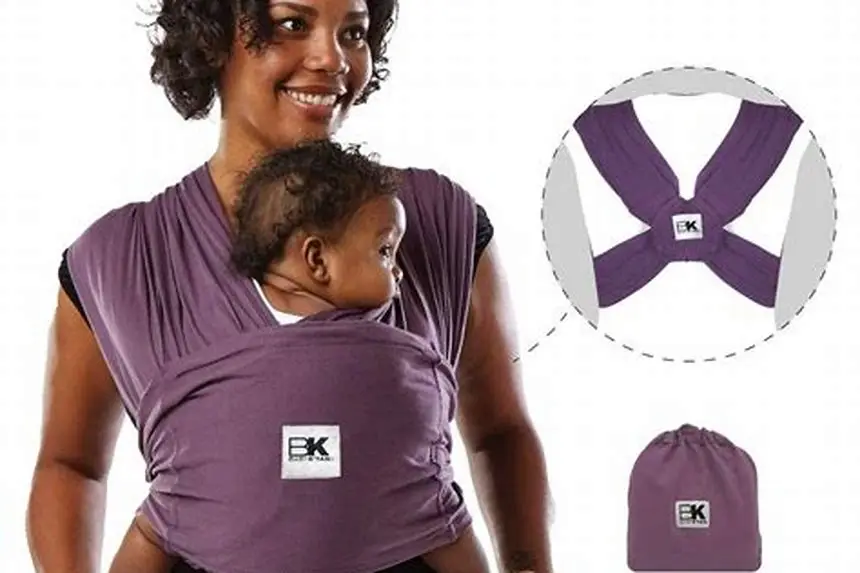
Carrier labels and instructions must explicitly state minimum and maximum recommended weight and age ranges. Look for clear markings about newborn suitability and any required inserts. People in this spot often ask about wearing baby k'tan carrier as well.
Check for safety certifications such as ASTM or JPMA, which indicate the carrier meets recognized standards for infant safety. Absence of these suggests extra caution is needed.
Manufacturer manuals include critical guidance on correct positioning, adjustment instructions, and warnings. Follow these precisely to avoid misuse that could harm the infant or cause falls.
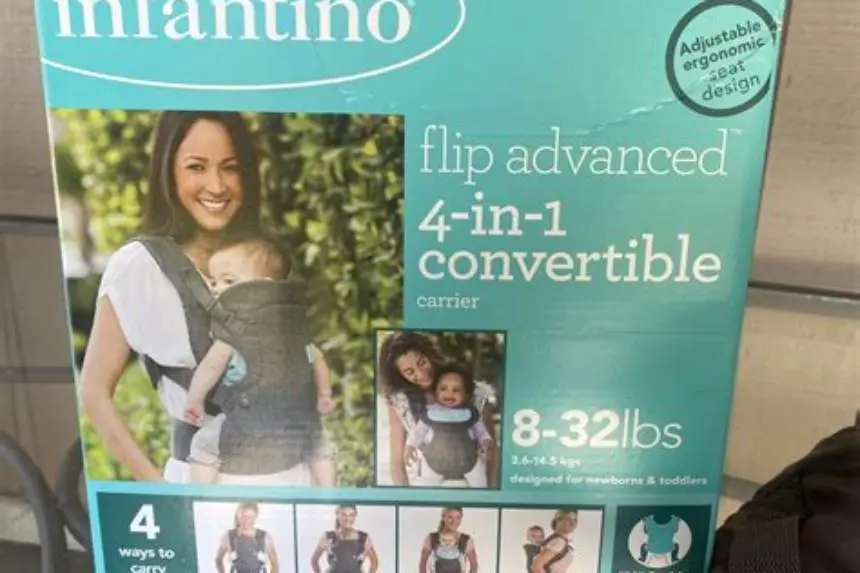
If in doubt, contact the manufacturer directly or visit their official website for up-to-date information. The other half of this decision is is infantino flip 4-in-1 safe for front facing out.
| Label Element | What to Look For | Reason |
|---|---|---|
| Weight Limit | Minimum ~7-8 lbs or less | Ensures carrier supports newborn safely |
| Age Range | States ‘newborn’ or 0+ months | Confirms design suitability for infants |
| Insert Requirement | Notes if insert needed | Prevents improper fit and posture |
| Safety Certifications | ASTM, JPMA marks | Verifies manufacturing safety standards |
| Positioning Warnings | Clear instructions | Guides safe use and fit |
Can a baby carrier be used from birth
A baby carrier can be used from birth only if it meets three key criteria: it supports the baby’s minimum weight (usually about 7-8 pounds), has proper head and neck support, and allows newborn-specific positioning (fetal tuck, ‘M’ hips).
If your carrier was not designed for newborns, it will not provide these supports safely and should not be used without the correct insert. Even carriers marketed as ‘all ages’ often require adapters for newborns.
Choosing a carrier that fits both your body and your newborn’s size and shape matters. Some carriers offer adjustable sizing and multiple ways to wear, which can improve comfort and safety.
Before using the carrier for the first time with a newborn, verify all these details on the label and manual. If you lack the insert or the baby’s weight is below limits, get the right newborn insert approved for the model.
How to position and wear a newborn safely in a carrier
Start by loosening all adjustable straps including shoulder, waist, and chest straps before placing the newborn in the carrier. This allows more room and prevents awkward movements that could stress the baby or cause improper positioning. Once the baby is safely seated, tighten straps gradually and evenly to achieve a snug fit that keeps the infant secure without pressure points.
Always check the baby’s airway after positioning by ensuring the head is tilted slightly back and the chin is lifted away from the chest. A good rule is that you should be able to fit at least one finger between the chin and chest. This simple check helps prevent airway obstruction, which is a critical safety concern with newborns.
When carrying your newborn, be attentive to their cues and comfort. Watch for signs of discomfort such as fussiness, redness, or tight marks on the skin. If these occur, adjust the carrier or remove the baby to avoid pressure on sensitive areas. Frequent breaks and repositioning can also help prevent discomfort and ensure that the carrier is used safely for extended periods.
- Place the newborn in the carrier facing inward with legs in an ‘M’ shape, knees above the bottom.
- Use a newborn insert if the carrier seat is too wide or deep to support the baby snugly.
- Ensure the baby’s back is rounded slightly, maintaining natural curve without slumping.
- Support the head fully so it cannot flop backward or sideways; adjust carrier headrest or harness accordingly.
- Check that the baby’s chin is off the chest by about one finger’s width to keep the airway clear.
- Adjust shoulder straps and waist belt snugly for comfort and security on your body, avoiding pressure points.
Questions people still ask
Can all baby carriers be used from birth?
No. Only carriers that specify a minimum weight of about 7-8 pounds and provide newborn inserts or are designed with adequate head and neck support can be used safely from birth.
What if my baby weighs less than the carrier’s minimum weight?
You should not use the carrier without a manufacturer-approved newborn insert designed to properly support smaller infants; otherwise, the baby’s safety and comfort are at risk.
How do I know if the carrier positions my newborn correctly?
The newborn should be in a fetal tuck with an ‘M’ shaped hip position, head fully supported, and airway clear: check the manual’s positioning diagrams and instructions carefully.
Are there carriers better suited for newborns with small parents?
Yes. Some carriers offer adjustable sizing and fit more snugly on smaller frames, improving newborn security and parental comfort; try carriers with customizable straps or smaller seat dimensions.
Is it safe to use a secondhand baby carrier from birth?
Only if you have the original manual and inserts, the carrier shows no signs of wear or damage, and it meets current safety standards; otherwise, it's safer to use a new carrier.