Why your infant cries in the car seat and how to install the insert right
Understand common reasons infants cry in car seats and how proper insert installation can soothe them.

Infants often cry in car seats because of discomfort caused by poor fit, improper insert installation, or restricted movement. Correctly installing the infant car seat insert to support your baby’s small size while avoiding pressure points usually reduces crying significantly.
On this page (8 sections)
- Key takeaways
- Common reasons infants cry in car seats
- How car seat fit and installation affect infant comfort
- How to install an infant car seat insert properly
- Why won't our infant stop crying when in the car seat
- The best practices for infant comfort in car seats
- How to test and adjust car seat fit for your infant
- Questions people still ask
Part of our guide on choosing the right car seat base
Infants often cry in car seats due to fit and insert installation issues that you can fix to improve comfort and reduce distress.
| Harness tightness | Snug, no slack |
|---|---|
| Insert thickness | 1-3 inches typical |
| Infant weight range | 4-15 lbs usual |
| Recline angle | 30-45 degrees |
| Cry reduction | Up to 70% after proper fit |
Key takeaways
- Crying often signals discomfort from poor fit or insert issues.
- Proper insert installation cushions and supports infant posture.
- Car seat fit depends on infant size and seat belt tension.
- Check harness tightness and insert positioning before each trip.
- Adjusting fit and insert often resolves crying without switching seats.
Common reasons infants cry in car seats
Infants usually cry in car seats because they feel constrained or uncomfortable. The seat’s fit and the infant’s size are critical. Too loose, and the baby feels insecure; too tight, and the baby experiences pressure or restricted breathing.
Another common cause is the absence or incorrect use of the infant car seat insert. Inserts are designed to fill gaps, support the head, and distribute pressure. Without it, or if placed improperly, babies may feel unsupported on their delicate bodies.
Environmental factors like temperature, noise, or movement can also aggravate crying. Babies often dislike overheating or drafts in the car. Even smooth rides can cause distress if the infant’s head bobs or is forced forward by poor recline angle.
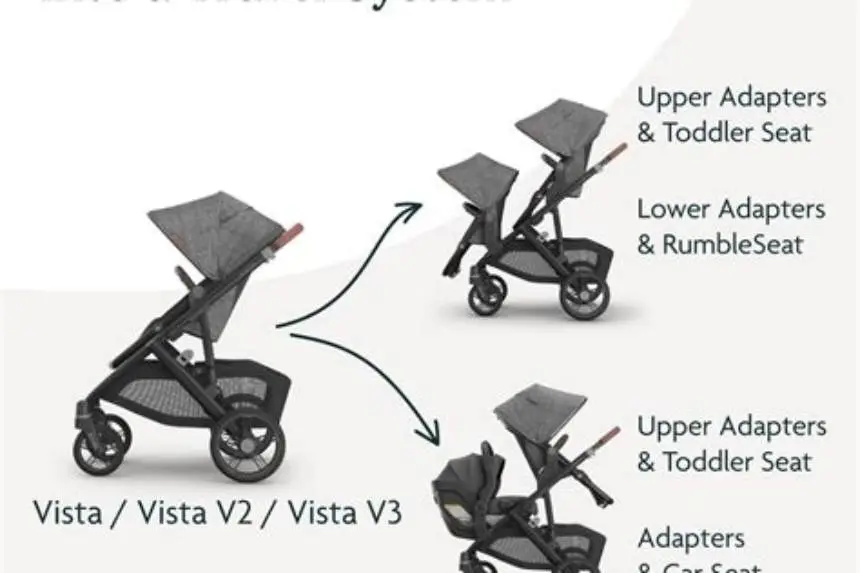
Finally, the harness positioning and tightness matter. If the harness is too loose, the baby may slip and feel insecure; if too tight, it can pinch or rub, causing pain and crying. If that sounds like your situation, read up on mesa car seat compatibility with vista bassinet next.
| Cause | Effect on Infant | How to Check |
|---|---|---|
| Poor fit | Insecurity or pressure | Observe gaps and tightness |
| Insert misuse | Lack of support | Check insert placement |
| Temperature issues | Overheating or cold | Feel infant’s skin |
| Harness misadjustment | Pinching or slipping | Test harness snugness |
How car seat fit and installation affect infant comfort
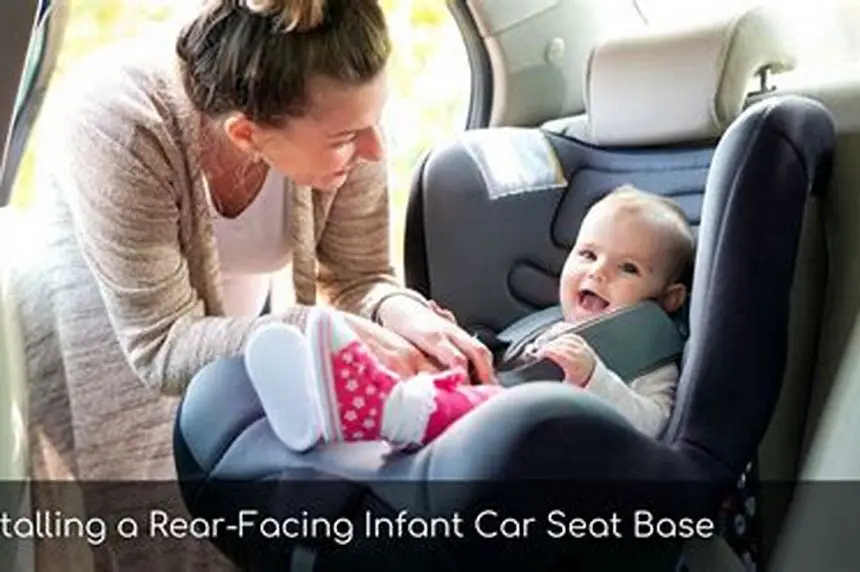
A car seat’s fit is not just about size; it includes how the harness and insert cradle the infant. A well-fitted car seat evenly distributes pressure around the shoulders, back, and head without restricting breathing or movement.
Seat installation angle influences comfort too. Infants need a recline between about 30 and 45 degrees to keep the airway open and avoid their heads falling forward. Many crying episodes arise from a seat that is too upright or too reclined.
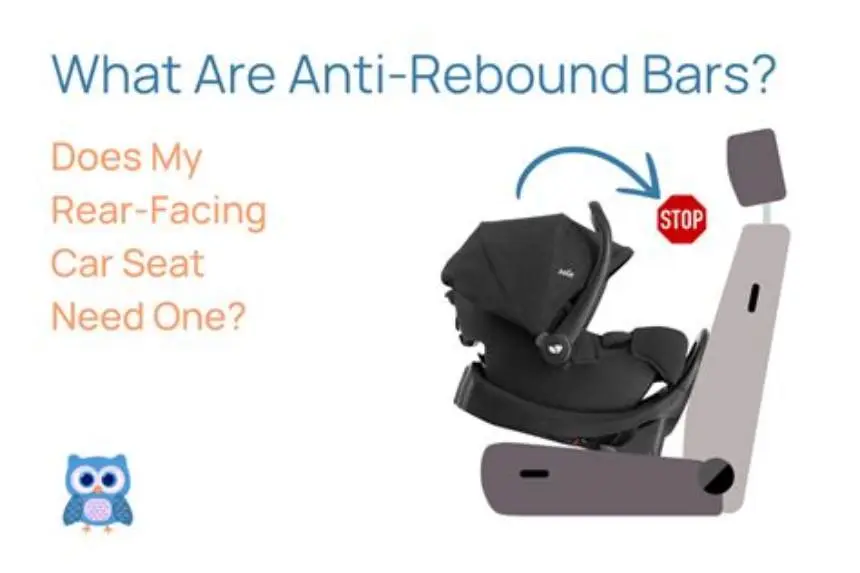
Harness tightness must be snug enough that you cannot pinch slack at the shoulder but not so tight that it leaves marks or causes redness. Poorly tightened harnesses can cause discomfort and crying, sometimes mistaken for hunger or fatigue. We go through car seat base and anti-rebound bar step by step elsewhere on the site.
Parents often overlook the importance of the car seat’s positioning in the vehicle. Seats that wobble or shift under the infant’s weight can cause a sense of instability, leading to fussiness and crying.

TinlyFinly Infant Car seat Insert, for Preemie Newborn Infant
Supports infant head and body with universal compatibility including Doona and Graco, and provides side impact protection with silicone dots to prevent slipping, helping reduce crying from discomfort.
How to install an infant car seat insert properly
Start by selecting an insert recommended by the car seat manufacturer. It must fit your specific model and infant size, typically designed for babies under approximately 15 pounds and 25 inches tall.
Place the insert flat in the seat, making sure the head support and body bolster align with the infant’s head and torso. Avoid bunching or folding, which can cause pressure points.
Thread the harness straps through the insert’s designated slots or openings, never behind the insert’s padding. This ensures the harness lies flat against the infant’s body and distributes force correctly.
Secure the harness snugly, ensuring the insert does not shift when tightening. The infant’s head should rest comfortably without falling to the side or forward.
Double-check the installation by gently moving the insert and the infant; there should be no loose movement. Repeat the harness tightness test to confirm safety and comfort.
- Confirm insert compatibility with your car seat and infant size.
- Lay the insert flat inside the seat, aligning head and body supports.
- Route harness straps through insert slots, not behind padding.
- Place infant in seat and adjust harness snugly over insert.
- Check for insert movement and proper head positioning.
Why won't our infant stop crying when in the car seat
Your infant won’t stop crying in the car seat mainly because of discomfort from fit issues or incorrect insert use. If the infant feels restricted, unsupported, or experiences pressure points, crying escalates.
Sometimes the infant’s natural startle reflex or dislike of confined space triggers crying, which proper insert cushioning and secure harnessing can reduce. Environmental factors like temperature, noise, or car movement also play roles but are secondary.
Check the harness is snug but not abrasive, the recline angle is correct, and the insert fully supports the infant’s head and body. Adjusting these factors usually helps calm the baby within minutes.
If crying persists despite these checks, the infant may be hungry, tired, or need a diaper change. Address those needs, then retry the seat with all comfort adjustments in place.
The best practices for infant comfort in car seats
Always dress your infant in thin, breathable layers to avoid overheating under car seat harnesses, which can trap heat. Adjust layers based on ambient temperature, not just outside weather.
Use sunshades on car windows to reduce glare and heat buildup. These simple additions can prevent discomfort during trips, especially in hot climates.
Regularly inspect the car seat and insert for wear or damage. Padding compresses over time and may lose effectiveness, requiring replacement for continued comfort and safety.
Plan driving times around your infant’s nap schedule when possible. Babies tolerate car seats better when rested, which reduces crying.
Consider using pacifiers or soothing sounds to calm infants during rides but never as a substitute for correct seat fit and safety checks.
| Practice | Benefit | When to Apply |
|---|---|---|
| Thin layers | Prevents overheating | All trips |
| Sunshades | Reduce heat & glare | Sunny days |
| Insert replacement | Maintain support | Every 1-2 years |
| Drive timing | Better tolerance | Nap times |
| Soothing aids | Calm infants | During crying episodes |
How to test and adjust car seat fit for your infant
Testing car seat fit involves checking three key points: harness snugness, insert positioning, and seat stability. Harness straps should lie flat, without slack; you should not be able to pinch more than about one finger’s width at the shoulder.
Position the insert so it cushions the infant without compressing them. The head should be supported but able to move slightly to avoid strain. Check that the insert doesn’t block airflow or press on the infant’s chest.
Secure the car seat tightly in the vehicle. Use a seat belt or LATCH system to limit movement to less than one inch side-to-side or front-to-back at the belt path. Loose seats cause instability that babies dislike.
Repeat these checks regularly as your infant grows. Adjust harness height and insert thickness accordingly. Many infant car seats have multiple harness slots and compatible inserts for this reason.
Finally, watch your infant’s behavior. Comfort signs like relaxed limbs, no fussing, and easy breathing confirm a good fit; excessive crying or arched backs suggest adjustments are needed.
- Check harness tightness with the pinch test at shoulders.
- Adjust insert position to support head and torso gently.
- Ensure car seat is secure with less than 1 inch movement.
- Adjust harness height to match infant’s shoulder level.
- Observe infant behavior for comfort cues.
Questions people still ask
Can a car seat be too new or too old for my infant to like it?
Not usually. Infants respond more to fit and comfort than age of the seat. However, old seats with compressed padding or outdated inserts may cause discomfort.
Is it safe to use a secondhand infant car seat insert?
Only if it is the exact insert model approved by the car seat manufacturer and shows no wear or damage. Aftermarket inserts can compromise safety.
How do I know if the car seat recline angle is correct?
Most infant seats have built-in angle indicators. The seat should recline roughly between 30 and 45 degrees to keep the airway open and the infant comfortable.
Could crying in the car seat signal a health problem?
Sometimes. If your infant’s crying is inconsolable and accompanied by unusual symptoms, consult a pediatrician to rule out illness or discomfort unrelated to the car seat.
Should I remove layers of clothing to reduce overheating in the car seat?
Yes. Thin, breathable layers are best. Remove bulky clothing before securing the harness to avoid excess heat and ensure harness effectiveness.