How to wear a seat belt properly in a car for parents and kids
Wear the seat belt so the lap belt lies low across the hips and the shoulder belt crosses the chest and collarbone, never the neck or stomach; adjust for body size and use car seats correctly to ensure both adults and children are secure.
On this page (8 sections)
- What matters most
- Correct seat belt positioning for adults and children
- How to use a seat belt with a car seat
- Common mistakes in wearing seat belts and why they matter
- Adjusting seat belts for different body sizes
- How to wear seat belt in car for parents and kids
- Choosing and fitting the right car seat to use the seat belt properly
- Questions people still ask
Part of our guide on rear facing car seat base options
The numbers
- Proper lap belt position
- Low on hips
- Proper shoulder belt position
- Across chest
- Adult seat belt use
- Over 4 ft 9 in tall
- Child car seat use
- Based on age/weight
- Seat belt adjustment needed
- Every ride
What matters most
- Lap belt must rest on hips, not stomach.
- Shoulder belt should cross chest, not neck or face.
- Car seats need correct installation with seat belts or LATCH.
- Adjust belt position for individual body size each trip.
- Common mistakes reduce crash protection significantly.
Correct seat belt positioning for adults and children
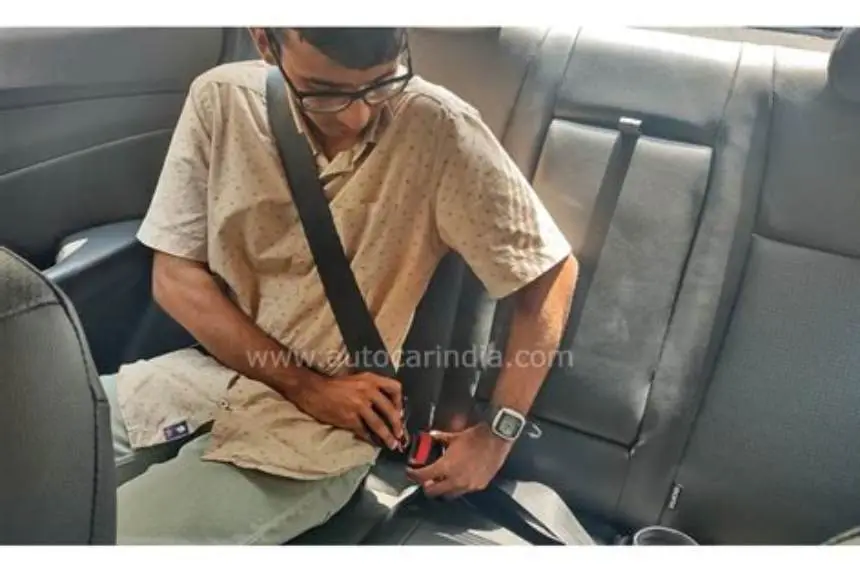
The lap belt must always rest across the pelvic bones and not the stomach because in a crash, the hips can better withstand force than soft tissues. The lap belt should sit as low as possible on the upper thighs.
The shoulder belt should cross the center of the chest and rest on the collarbone, never touching the neck or face. This positioning helps distribute crash forces across stronger bones.
For children under 4 feet 9 inches tall, seat belts alone rarely fit properly without a booster seat because their bodies are smaller and the belts then tend to sit too high on the stomach and neck.
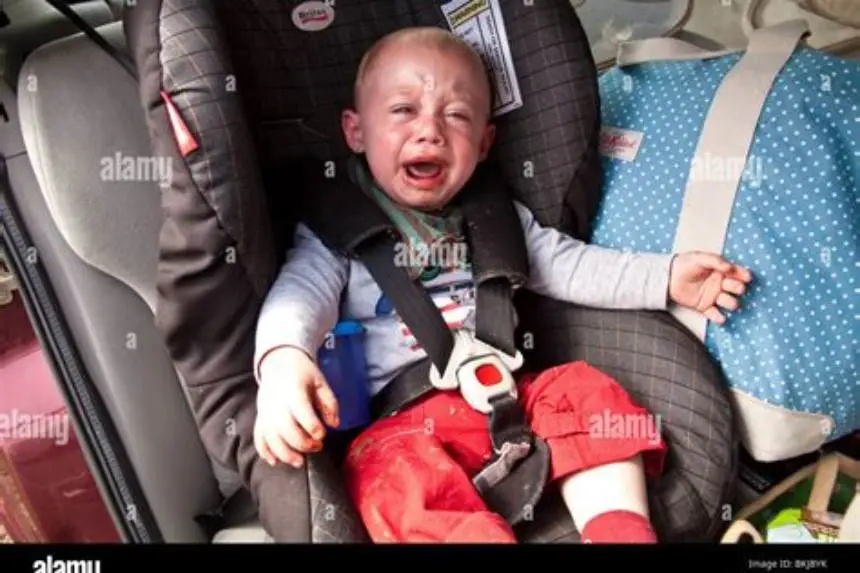
Adults taller than 4 feet 9 inches must still adjust the seat belt height and seat position to ensure the belt fits correctly and snugly. Slouching or reclining too far back causes the belt to lose effectiveness. The other half of this decision is soothing infant in car seat.
How to use a seat belt with a car seat
Car seats for infants and children must be installed and secured according to the manufacturer’s instructions, using either the vehicle seat belt or the LATCH system.
The seat belt, when used to secure the car seat, should be routed through the appropriate belt path on the car seat and locked tightly to prevent movement more than 1 inch side to side or front to back.
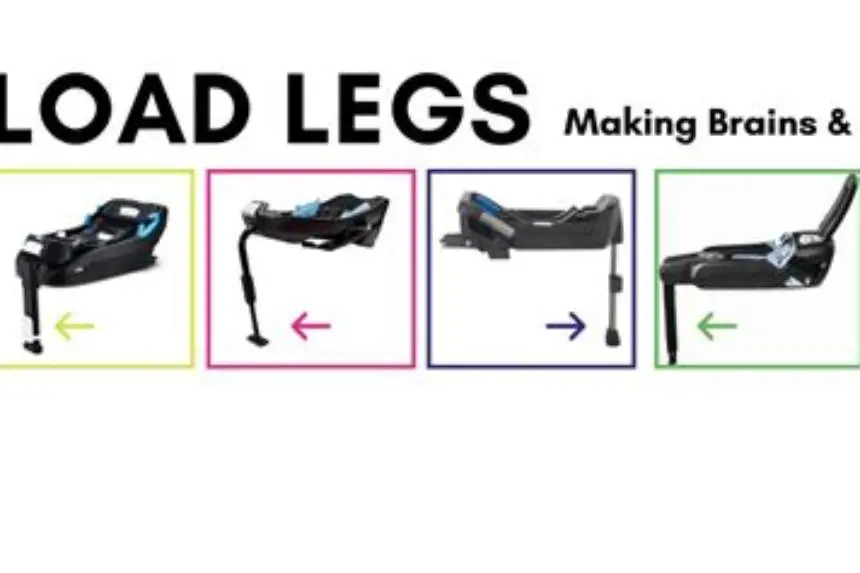
When the child outgrows the car seat or convertible seat, a booster seat is needed to raise the child so the seat belt fits correctly: lap low on the hips and shoulder across the chest. The other half of this decision is load leg function in car seats.
Always check that the harness or seat belt is snug on a child in the car seat; a loose belt or harness can cause serious injury in a crash.

Common mistakes in wearing seat belts and why they matter
A frequent mistake is placing the lap belt across the stomach; in a crash, this causes severe internal injuries rather than spreading force across the strong pelvic bones.
Allowing the shoulder belt to rub against or rest on the neck increases risk of neck injuries and reduces the belt’s ability to stop forward motion safely.
Children riding without booster seats when their height is less than 4 feet 9 inches have belts that fit poorly and offer reduced protection.
Twisting or slack in the seat belt reduces its crash effectiveness, as forces are not spread evenly across the body.
Reclining seats too far back changes the belt angles and can let a passenger slide under the lap belt: a dangerous condition known as submarining.
Adjusting seat belts for different body sizes
Seat belt adjusters or positioning clips can help people with smaller frames or children to keep the belt properly positioned without twisting or riding too high or low.
Many vehicles have adjustable upper anchors or shoulder belt height adjusters; using them to fit the belt so it crosses the chest comfortably is essential for safety.
For children transitioning from car seats to seat belts, booster seats raise the child’s seating position. Without a booster, the belts often sit too high on the neck or too low on the stomach.
Adults who are shorter than average or have a stocky build may find aftermarket belt adjusters useful to maintain correct belt fit without discomfort.
Always test fit after adjustment to ensure the lap belt is low on the hips, and the shoulder belt lies across the chest, not the neck.
| User size | Adjustment type | Typical use case | Effectiveness |
|---|---|---|---|
| Adult average height | Vehicle's built-in adjuster | Adjust shoulder belt height | High if used properly |
| Child under 4' 9" | Booster seat | Raises child to proper belt height | Essential for safety |
| Small adult or child | Aftermarket belt adjuster clip | Positions belt off neck/stomach | Moderate, must fit correctly |
How to wear seat belt in car for parents and kids
Both adults and kids must wear the seat belt every trip, without exception, to maximize crash protection. Correct wear means the lap belt low across hips and the shoulder belt crossing the chest and collarbone.
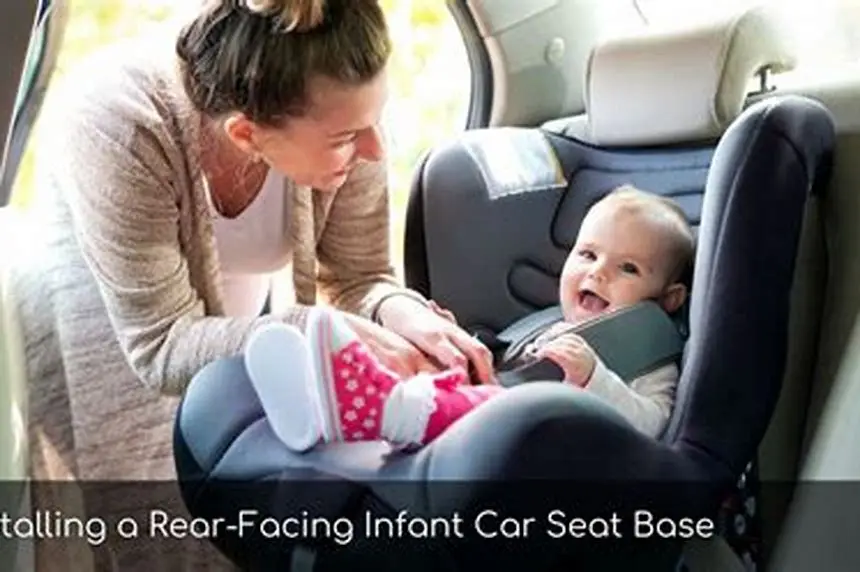
For infants and toddlers, the best protection starts with a rear-facing car seat installed tightly with the vehicle seat belt or LATCH system. The harness inside the car seat replaces the regular seat belt.
Older children who outgrow rear-facing seats transition to forward-facing seats with harnesses, then booster seats, and finally to seat belts alone once they reach 4 feet 9 inches in height.
Parents should adjust their own seat belts each time they drive and not let children ride without booster seats until they meet height and weight criteria.
Double check seat belt slack, buckle clicks, and strap positioning before every trip to prevent common fitting errors that reduce safety.
- Sit upright with back against seat and feet on the floor.
- Pull the lap belt low over your hips and buckle it.
- Place the shoulder belt across the middle of your chest and collarbone.
- Adjust belt height if your car allows it to avoid neck contact.
- For children, ensure booster seats or car seats are installed correctly and belts routed as instructed.
Choosing and fitting the right car seat to use the seat belt properly
Choosing the correct car seat depends on your child's age, weight, and height, aligned with manufacturer limits and safety standards.
Rear-facing car seats are recommended until at least age 2 or until the child reaches the maximum weight or height allowed by the seat manufacturer.
Forward-facing seats with harnesses follow, used until children outgrow them in weight or height, then booster seats raise kids to fit standard belts properly.
Proper installation is critical: car seats must be tightly secured with seat belts or LATCH anchors, with less than 1 inch movement at the belt path.
After installation, always check that the child’s harness or seat belt fits snugly and the chest clip is positioned at armpit level to ensure the best protection.
Questions people still ask
Can a child use a regular seat belt without a booster seat?
No. Children under 4 feet 9 inches generally need a booster seat to position the seat belt correctly. Without it, the lap belt rests on the stomach, and the shoulder belt rides up the neck, reducing crash protection.
How tight should the seat belt be on an adult or child?
The seat belt should be snug but comfortable. You should not be able to pinch any slack in the lap or shoulder belt. Loose belts allow more movement in a crash, increasing injury risk.
What if my car does not have adjustable seat belt anchors?
In that case, use booster seats for children or aftermarket belt positioning devices for small adults to ensure proper belt fit. Always test fit for safety before driving.
How do I know if my car seat is installed correctly using the seat belt?
A properly installed car seat secured with the seat belt will not move more than 1 inch side to side or front to back at the belt path. Always follow the car seat and vehicle manuals.
Is it safe to wear the seat belt under the arm or behind the back?
No. Wearing the shoulder belt under the arm or behind the back compromises restraint effectiveness and can cause severe injuries in a crash. The shoulder belt must remain across the chest.