Compression leggings for pregnancy size medium length regular fit guide
Learn which pregnancy body shapes medium regular-length compression leggings fit best and how to check for proper fit and comfort during pregnancy.
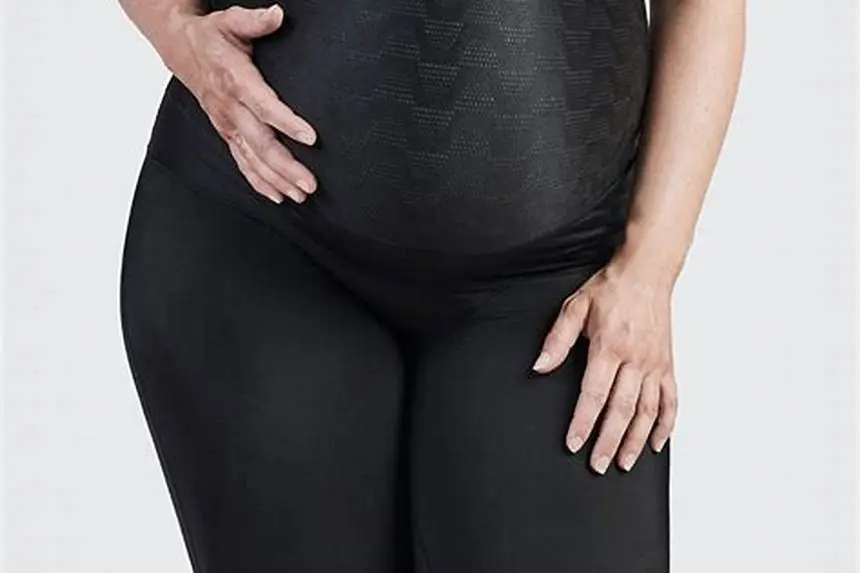
Medium size, regular length compression leggings usually fit pregnant women who wore a pre-pregnancy medium and are between about 5’4" and 5’7". They support moderate belly growth and leg swelling but may become too tight or too short later in pregnancy or for taller persons.
On this page (8 sections)
- The short version
- How medium size and regular length correspond to pregnancy body changes
- What pregnancy body shapes medium regular-length leggings fit best
- How to check if medium regular-length leggings are too tight or loose in pregnancy
- When medium regular-length leggings might be unsuitable during pregnancy
- Will medium regular-length compression leggings fit your pregnant belly and legs?
- Tips to maintain comfort and support with medium regular-length compression leggings
- Questions people still ask
Part of the guide: Can pregnancy cause you to grow taller or change your height?
Understand exactly how medium regular-length compression leggings fit pregnancy bodies so you avoid discomfort and get real support.
| Body size fit | Medium |
|---|---|
| Legging length | Regular |
| Height range | Approximately 5'4"–5'7" (varies by brand) |
| Compression level | Mild to moderate (typical manufacturers' range: 15–20 mmHg) |
| Belly growth coverage | Mid pregnancy; may vary by panel design |
The short version
- Medium leggings fit mid-height, medium-bodied pregnant women best.
- Check compression comfort by pressure and stretch; avoid pinching or sagging.
- Not suitable if belly size exceeds the leggings’ maximum stretch or if leg swelling is severe.
- Pregnancy body changes affect fit; belly often grows more quickly than leg length.
- Compression leggings must balance support without restricting circulation.
How medium size and regular length correspond to pregnancy body changes
Compression leggings labeled medium with a regular length are intended to match a typical pre-pregnancy medium build and average heights. Across several maternity and compression brands, a medium often corresponds to a waist in the high 20s to low 30s (inches) and a height that places the wearer in a 5’4"–5’7" range, but exact numbers differ by manufacturer: always check the specific brand chart before buying (see brand examples and links below).
During pregnancy, this size is commonly chosen to accommodate moderate belly expansion through the second trimester. The fabric and belly panel should provide several inches of vertical and circumferential stretch so the garment can expand with the belly without rolling down or binding. Most maternity compression leggings are designed to accommodate an additional 3–6 inches of belly circumference compared with non-pregnancy leggings, but some brands build greater stretch into the belly band for later trimesters.
Compression pressure terminology can be confusing. Many manufacturers and medical device classifications describe mild compression in the 15–20 mmHg range (often labeled Class I). This range is commonly recommended by compression garment makers for pregnant people who want symptomatic relief from mild-to-moderate leg swelling and fatigue. This recommendation is supported by compression-class guidelines used by vascular-suppliers and referenced by some clinical guidance on managing pregnancy-related edema (see references). If you need higher compression for significant venous problems, a clinician should advise you and may prescribe medical-grade garments with higher mmHg values.
What pregnancy body shapes medium regular-length leggings fit best
Medium regular-length compression leggings are most likely to fit pregnant people who have a medium pre-pregnancy waist and hips and who are in the average height range. Hourglass and pear-shaped bodies that maintain proportional legs and a gradually enlarging belly tend to find these leggings comfortable through mid-pregnancy. Before you commit to anything, it is worth looking at pregnancy nipple cream options.
Many people with average calf measurements (for example, calf circumferences often cited by brands in the 13–15 inch range) find regular length reaches just above the ankle without excess bunching. The belly panel in medium-sized maternity leggings commonly allows for several inches of expansion; depending on the brand, this can correspond roughly to bellies measuring into the high 30s to low 40s inches circumference in mid to late second trimester. Because manufacturer sizing varies, compare your current belly measurement with the brand’s maternity or plus-size chart before purchase.
By contrast, people whose weight distribution concentrates in the midsection (an apple shape) may find the medium measurement tight over the belly even if the legs fit well. Taller people or those with longer torsos may find the regular length too short, which can reduce calf compression and overall effectiveness.

GDMINLO Soft Tape Measure Double Scale Body Sewing Flexible Tailor Craft
Measures body and waist accurately with 60 inches and 150 centimeters flexible tape.
How to check if medium regular-length leggings are too tight or loose in pregnancy
Begin with accurate measurements: belly circumference at its largest point, hip circumference, calf circumference, and height. Compare those numbers to the specific brand’s maternity size chart. Because labels differ, do not rely solely on 'medium' as a universal size.
Try the leggings on and complete three practical checks:
1. Pressure check: The garment should feel firm and supportive but not painful. Press the fabric with two fingers: you should feel resistance but not sharp pressure or pain. The skin underneath should not become pale, numb, tingly, or show lasting indentations after removing the leggings.
2. Length check: Stand and walk to confirm the hem sits where the manufacturer intends (often just above the ankle for regular length). If the hem rides up when walking or sitting, the leggings are likely too short; if there is excessive fabric pooling at the ankle, they are too long or too loose.
3. Belly comfort check: Measure the belly at the largest point and observe how the band fits. The belly panel should stretch evenly without digging into the skin or rolling down when you move. If the band creates red marks or pinching, try a larger size or a style with a higher-stretch maternity panel.
- Measure belly circumference at the largest point while standing relaxed (see detailed measuring guidance below)
- Compare measurements to the garment manufacturer’s maternity size chart
- Wear the leggings for 15–30 minutes and repeat the pressure, length, and belly checks
When medium regular-length leggings might be unsuitable during pregnancy
Medium regular-length compression leggings may become unsuitable when your belly circumference exceeds the garment’s designed stretch range, when leg swelling becomes severe, or when your height means the hem no longer reaches the intended point on the lower leg.
Rapid or large increases in belly size (for example, late third trimester or multiple pregnancy) frequently push the fit beyond what a medium regular-length can offer; in those situations, a large size, a full-panel (high-rise) maternity design, or a longer length may be more comfortable.
Significant leg swelling (edema) that increases calf circumference well beyond your baseline (commonly more than a few inches) may require a different size or a medical-grade garment. If compression leggings cause numbness, tingling, skin breakdown, or color changes in the skin, stop wearing them and seek medical advice.
Will medium regular-length compression leggings fit your pregnant belly and legs?
Medium regular-length compression leggings are designed to match a common pregnancy profile: medium pre-pregnancy waist, average height, and mild-to-moderate swelling. If your current measurements and symptoms fit that profile, these leggings can be supportive and comfortable.
Because fit is highly individual, measure and try garments early and re-evaluate as pregnancy advances. If you find the top fits but the legs are loose (or vice versa), consider brands that separate waist/torso sizing from leg sizing, or choose maternity-specific designs that emphasize a flexible belly panel.
When in doubt, consult the specific manufacturer’s sizing information (examples follow) or a clinician experienced in compression garments; they can advise on selection and whether medical-grade compression is appropriate.
Tips to maintain comfort and support with medium regular-length compression leggings
Rotate between several pairs to preserve elasticity and hygiene; many compression fabrics gradually lose performance after repeated wear and washing. Follow the brand’s care instructions to avoid shrinkage or loss of compression.
Avoid leggings with bulky or poorly placed seams that press against the belly or behind the knees; choose styles that minimize uncomfortable seams.
Wear leggings during periods of prolonged standing or light activity to reduce leg fatigue and swelling. Remove them during rest and sleep unless a clinician recommends wearing compression overnight.
If you notice increased swelling, discomfort, or skin changes, re-measure your legs and belly and consider switching sizes or compression levels. For unexpected or rapidly changing symptoms, seek medical advice.
- Rotate pairs to maintain elasticity and hygiene
- Choose styles that avoid seams in pressure-sensitive areas
- Wear during activity to improve circulation
- Monitor fit and adjust with changing body
Questions people still ask
Can I wear medium regular-length leggings throughout my entire pregnancy?
Often not. Medium regular-length leggings typically fit best through mid-pregnancy when belly growth is moderate. Later trimesters frequently require larger sizes, fuller belly panels, or longer lengths; check brand sizing and adjust as your measurements change.
How tight should compression leggings feel during pregnancy?
They should feel firm and supportive but never painful. Many manufacturers and clinical suppliers classify mild compression as approximately 15–20 mmHg (Class I), which is commonly used for pregnancy-related swelling and leg fatigue. If you experience tingling, numbness, skin discoloration, or persistent pain, remove the garment and consult a clinician.
What if my legs swell more than expected?
If swelling grows beyond a few inches over baseline calf circumference or swelling is sudden and severe, re-measure and consult a healthcare professional. You may need a different size, a different compression level, or medical evaluation to rule out conditions requiring treatment.
Are medium regular-length leggings suitable for all heights?
No. Regular length is generally designed for people who fall in an average height range (often shown as approximately 5’4"–5’7" by many brands). Shorter or taller people should consider petite or tall length options from the same manufacturer.
Can compression leggings prevent varicose veins during pregnancy?
Compression leggings can reduce swelling and improve circulation, which may reduce symptoms and the likelihood of symptomatic varicose veins, but they do not guarantee prevention. Discuss risk and prevention strategies with your provider.