Why managing health and safety protects your family and baby gear choices
Managing health and safety shapes every baby gear choice and prevents harm at home, from crib standards to car seat expiry dates.
Managing health and safety protects your baby from preventable harm and guides every gear decision you make. It sets the standards manufacturers follow, tells you which products meet injury-prevention thresholds, and flags risks before they cause harm.
On this page (8 sections)
- The short version
- Why health and safety is important for families with babies
- What managing health and safety actually does in baby product design
- Reasons for managing health and safety beyond regulatory compliance
- Why managing health and safety at work and home follows the same principles
- Checking conditions that cause harm before injury happens
- How health and safety management connects to the gear you actually buy
- Questions people still ask
Part of our guide on finding reliable magnetic covers
Every safe baby gear choice you make exists because someone managed the evidence, set a standard, and wrote it into regulation.
| Crib slat spacing | max 2⅜ inches (CPSC rule) |
|---|---|
| Car seat lifespan | 6-10 years depending on maker |
| Water heater setting | max 120°F to prevent scalds |
| Sleep surface firmness | must not indent >1 inch |
| Top infant injury cause | falls (over 40% of ER visits) |
The short version
- Safety standards like JPMA certification and
FMVSS 213exist because injury data drove rule changes - Expiry dates on car seats reflect material degradation rates that affect crash performance
- Managing risks at home means addressing the top three causes of infant injury: falls, suffocation, and burns
- Every recall notice is health and safety management working after a failure was caught
- Choosing gear that meets current standards protects your baby better than hand-me-downs from before rule updates
Why health and safety is important for families with babies
Health and safety management identifies hazards, measures their severity, and puts controls in place before harm occurs. For families with babies, it's the reason a crib can't have drop sides anymore and why car seats expire. Every rule you follow came from injury data that showed a pattern worth stopping.
Babies can't assess risk or protect themselves. They look at by putting things in their mouths, pulling on whatever they can reach, and rolling off surfaces the moment you look away. Injury is the leading cause of death for children over one year old in the US, and most of those injuries happen at home. Managing health and safety closes the gap between a baby's ability to get hurt and their inability to recognize danger.
The gear you buy reflects decades of managed safety work. When you check for JPMA certification or confirm a bassinet meets ASTM F2194, you're using the output of committees that reviewed injury reports, ran tests, and set thresholds. Those thresholds exist because someone tracked what failed and wrote a rule to prevent the next case.
Safety management also tells you what to skip. A five-year-old car seat might look fine, but the plastic degrades and crash forces change how materials perform. The expiry date isn't arbitrary; it marks the point where the maker can no longer guarantee the seat will protect your child in a collision. Hand-me-downs and vintage finds bypass the standards that protect your baby now. It helps to understand safety covers for 2 inch knobs before going further.
What managing health and safety actually does in baby product design
Manufacturers test products against injury thresholds set by standards bodies like ASTM International and the Consumer Product Safety Commission. A crib gets drop-tested, a car seat goes through crash simulations, and a high chair is loaded and tipped to see when it fails. The standard sets the pass line, and only products that clear it reach the market.
Managing safety means updating rules when new failure modes appear. Drop-side cribs were legal until 2011, when reports of infant deaths from entrapment and falls forced a ban. The CPSC wrote 16 CFR 1220, which prohibits any crib with sides that move vertically. If you own a crib made before that rule, it doesn't meet current safety standards no matter how gently it was used.
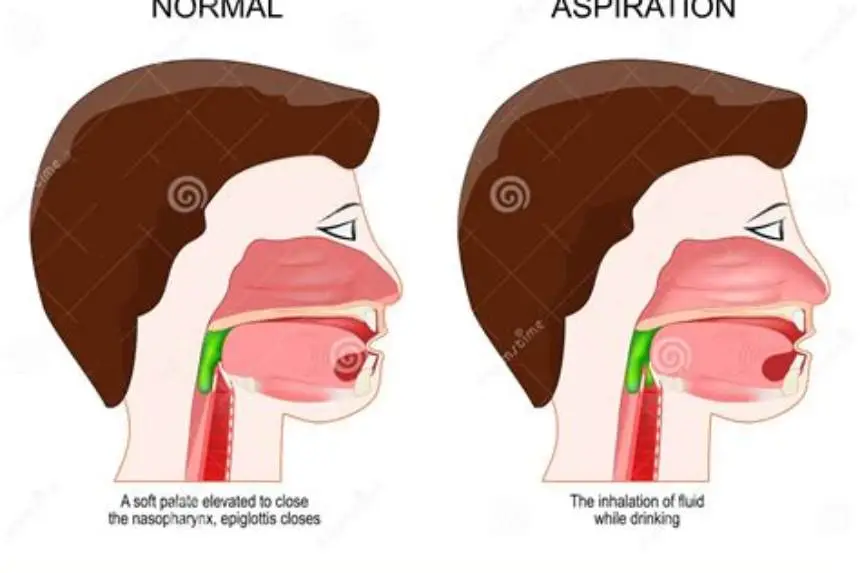
Material limits come from safety management too. Bassinet mattresses must be firm enough that they don't indent more than one inch under a baby's weight, because softer surfaces increase suffocation risk. Paint on cribs and toys has to stay under 90 parts per million of lead, a threshold lowered from 600 ppm in 2009 after evidence showed developmental harm at higher exposure. Every number in a standard came from harm that happened and a decision to prevent it. People in this spot often ask about what causes a person to aspirate as well.
Product recalls are safety management catching a failure after release. When a batch of rockers tips more easily than the test predicted, or a carrier buckle breaks under load, the maker pulls the product and notifies buyers. The CPSC recall database lists every infant product that didn't perform as designed. Checking it before you buy used gear is part of managing safety in your own home.
| Standard | What it covers | Key threshold |
|---|---|---|
FMVSS 213 | Car seats and crash performance | Must protect in 30 mph frontal impact |
ASTM F2194 | Bassinets and cradles | Mattress firmness, no gaps over ¼ inch |
16 CFR 1220 | Full-size cribs | Slat spacing max 2⅜ inches, no drop sides |
ASTM F2236 | Soft infant carriers | Leg opening 4-10 inches, fabric tear strength |
ASTM F404 | High chairs | Restraint required, tip resistance when loaded |

Dreambaby Baby Bath Thermometer
No maximum temperature reading or response time stated to confirm it reads to 150°F or under 3 seconds
Reasons for managing health and safety beyond regulatory compliance
Compliance keeps a product legal, but managing safety well means anticipating risks the rules don't yet cover. Some makers test beyond the minimum, publish their own limits, and update designs when field reports suggest a problem. When you compare two car seats and one has additional side-impact testing or a tighter harness tolerance, that's safety management working ahead of regulation.
Insurance and liability drive some of this work. A product that meets the standard but still injures a child costs the maker more in settlements and reputation than the extra engineering would have. Brands with strong safety records tend to over-engineer rather than aim for the minimum, and that caution shows up in weight limits, material choices, and how long they support a product after sale.
Parents manage safety by choosing gear that fits their actual conditions. A bassinet rated for 15 pounds might meet the standard, but if your baby hit that weight at eight weeks, the rating tells you to move them sooner. A convertible car seat with a rear-facing limit of 40 pounds lets you keep your child safer longer than one that maxes out at 35, because rear-facing reduces injury severity in a crash. The standard sets the floor; your decision raises it.
Managing safety at home also means watching for risks the product can't control. A crib placed near a window blind cord, a carrier worn loose, or a changing table stocked with small objects all bypass the gear's designed protections. The product met the standard, but the environment introduced a hazard the rule didn't cover. Checking your setup is the last layer of safety management, and it's the one only you can do.
Why managing health and safety at work and home follows the same principles
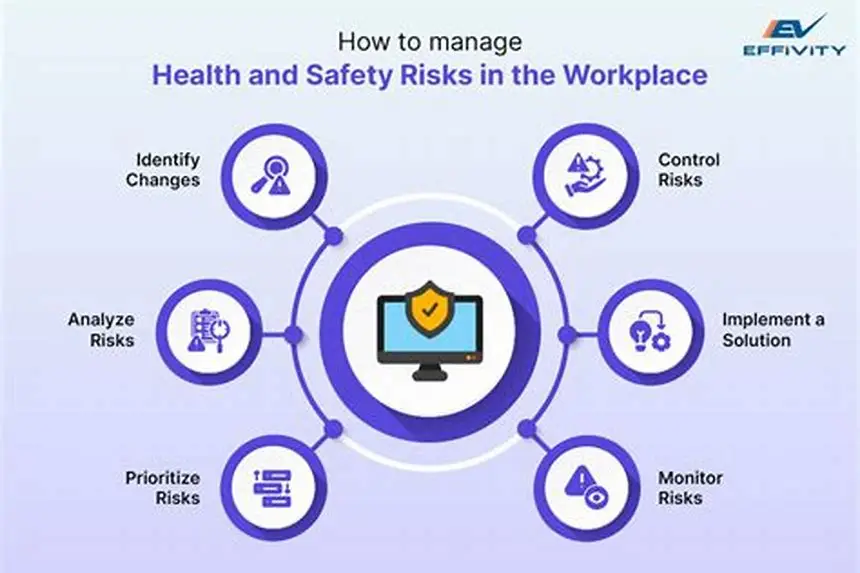
Workplace safety and home safety both rely on hazard identification, risk assessment, and control measures. At work, OSHA requires employers to identify hazards, train employees, and document incidents. At home, you do the same work without the regulation: you spot the unsecured bookshelf, you learn what suffocation looks like, and you remember the time your baby rolled off the couch.
The hierarchy of controls applies in both settings. Elimination is best: remove the hazard entirely. Substitution comes next: swap the unsafe thing for a safer one. Engineering controls reduce exposure without relying on behavior, like a stair gate that latches automatically. Administrative controls and personal protective equipment are last, because they depend on someone doing the right thing every time. A rule to never leave the baby on the changing table works until you're sleep-deprived and forget.
Documentation matters at home just as it does at work. Keep the purchase date and model number for every piece of baby gear so you can check recalls and know when the item expires. Save the manual so you can confirm weight limits and installation steps when your memory fails. A photo of the car seat installed correctly gives you a reference after someone else used your car and adjusted it.
Incident review closes the loop. When your baby bonks their head on the coffee table edge, you pad the corners or move the table. When a drawer pulls out and nearly tips the dresser, you anchor it to the wall. Each near-miss is data. Acting on it is managing safety the same way a workplace safety officer reviews injury logs and updates procedures.
- Hazard identification: walk each room at floor level, looking for what a crawling baby can reach, pull, or put in their mouth
- Risk assessment: prioritize the hazards by severity and likelihood - tip-over furniture and water hazards first, small choking items next
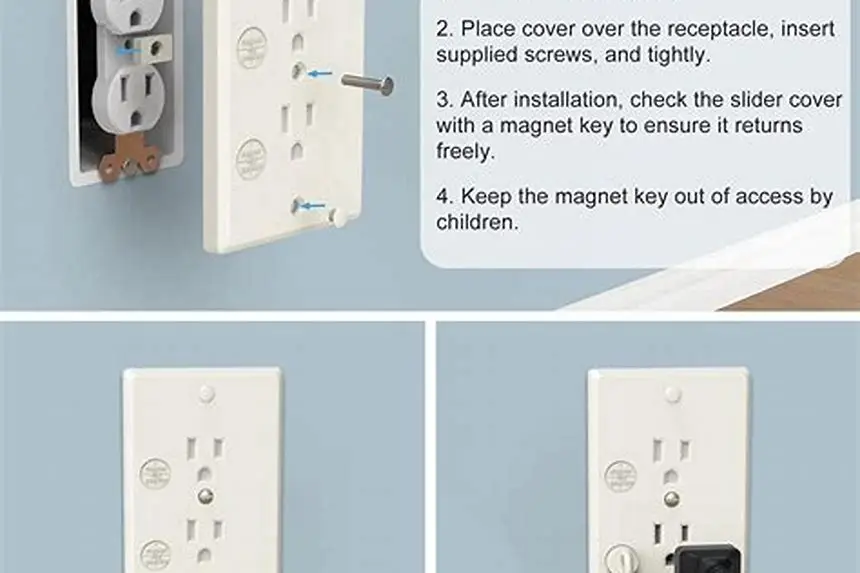
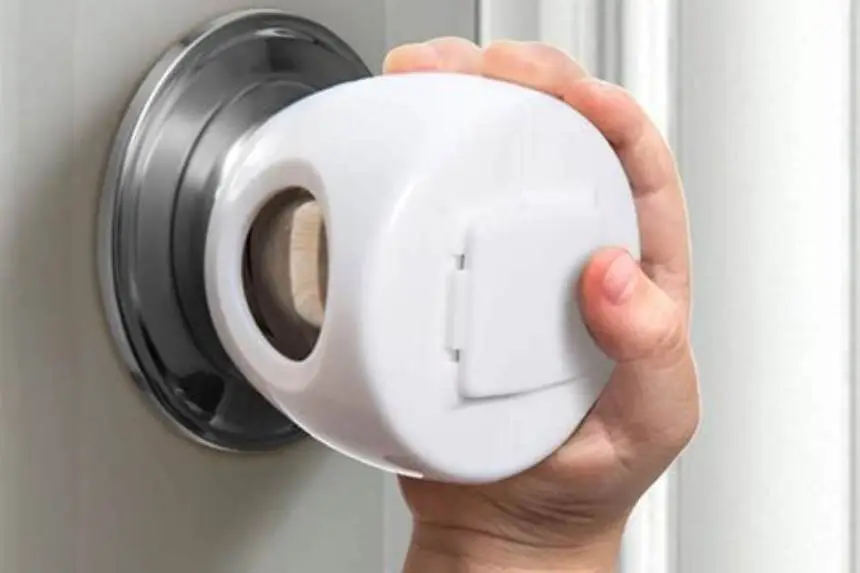
- Engineering controls: stair gates, outlet covers, furniture anchors, and cabinet locks that work without you remembering to engage them
- Behavior and vigilance: supervision, safe sleep routines, and checking that gear is installed and used correctly every time
Checking conditions that cause harm before injury happens
Most infant injuries come from three causes: falls, suffocation, and burns. Falls account for more than 40% of emergency room visits for babies under one, usually from furniture, carriers, or a caregiver's arms. Suffocation happens in sleep environments with soft bedding, gaps, or co-sleeping positions that block airways. Burns come from bath water above 120°F, hot drinks spilled, or a baby touching a stove or heater.
Checking your home means measuring the things you can't assess by eye. Bath water feels fine to your hand at 125°F, but it causes a third-degree burn on infant skin in under 60 seconds. A digital thermometer with a probe tells you the actual temperature so you can adjust the heater or let the water cool. Most water heaters ship set to 140°F, which is too hot. Turn it down to 120°F and check the tap temperature after it stabilizes.
Sleep surface firmness matters because soft mattresses let a baby's face sink in and restrict airflow. Press your hand into the crib or bassinet mattress. If it indents more than one inch, it's too soft. The ASTM F2194 standard for bassinets requires this firmness, but not all imported or second-hand items were tested. Check it yourself before the first use.
Furniture tip-over kills a child every 10 days in the US, usually when a dresser or bookshelf isn't anchored and a toddler climbs or pulls on a drawer. Use tip straps or L-brackets to secure tall furniture to wall studs, not drywall alone. Test the anchor by pulling on the furniture with your full weight. If it shifts, it's not secure.
How health and safety management connects to the gear you actually buy
Every gear decision you make is a safety decision. A car seat that meets FMVSS 213 protects your child in a crash, but only if it's installed correctly and hasn't expired. A carrier that passes ASTM F2236 won't drop your baby if the fabric tears, but only if you adjust the straps so the baby sits high and tight against your chest. The standard got the product to you; using it correctly is your part of the safety system.
Choosing gear that fits your situation reduces the chance you'll use it wrong. A car seat with a no-rethread harness is easier to adjust as your baby grows, so you're more likely to keep it snug. A bassinet with a weight limit that matches your baby's growth curve means you won't push it past the safe point. A stroller with a wide wheelbase tips less easily on uneven ground if you live somewhere without smooth sidewalks.
Used gear and hand-me-downs bypass some of the safety management that protects new buyers. You don't know if the item was in a crash, stored in a hot attic where plastic degrades faster, or recalled after the original owner bought it. Check the manufacture date, look up the model in the CPSC recall database, and confirm it meets current standards before you use it. If any part is missing or damaged, don't improvise a fix: replacement parts from the maker are the only safe option.
Rejecting gear that doesn't meet standards is part of managing safety too. Inclined sleepers, crib bumpers, and weighted swaddles all failed to prevent the injuries they claimed to address, and some introduced new risks. The AAP and CPSC both recommend against them. If a product's marketing contradicts safe sleep guidelines or makes claims that sound too good, check whether a standard body or pediatric group endorses it. Popularity and reviews don't override evidence.
- Check the manufacture date on any baby gear, new or used. It's usually stamped on the base or frame.
- Search the model number in the CPSC recall database at cpsc.gov to confirm it hasn't been pulled.
- Read the manual and confirm the weight, height, and age limits. Don't use the product once your baby exceeds any of them.
- Install or assemble the product following the maker's instructions exactly, with all parts included.
- Register the product with the maker so you receive recall notices directly if a problem is discovered later.
Questions people still ask
How do I know if old baby gear still meets current safety standards?
Check the manufacture date and compare the model against the standards in effect when it was made versus now. Major rule changes include the 2011 crib drop-side ban and the 2009 lead paint limit drop to 90 ppm. If the item predates a relevant rule change, it doesn't meet current standards. Also search the model in the CPSC recall database to see if it was pulled.
Why do car seats expire if they haven't been in a crash?
Plastic degrades from UV exposure, temperature swings, and time. The foam and harness materials lose strength and elasticity. Expiry dates, typically six to ten years from manufacture, mark the point where the maker can't guarantee crash performance. Standards and test methods also change, so an expired seat may not reflect current protection thresholds.
What safety checks should I do before my baby starts crawling?
Anchor tall furniture to wall studs, install stair gates at top and bottom, cover outlets, secure cabinet doors that contain hazards, and remove small objects from floors and low shelves. Check that window blind cords are out of reach and that heavy objects can't be pulled off tables. Get down to floor level and look for what a baby can reach or pull.
Are JPMA-certified products safer than ones without certification?
JPMA certification means the product was tested by an independent lab and met the relevant ASTM standard. It's a reliable signal that the item passed third-party review. Products without it might still meet standards, but you'd have to trust the maker's own testing. For high-risk items like cribs, car seats, and bassinets, look for JPMA or proof of ASTM compliance.
How often should I check for recalls on baby gear I already own?
Register every product with the maker so recalls come to you automatically. Also search your gear in the CPSC database every few months, especially before passing items to another family. Recalls can be issued years after a product launched, once injury reports accumulate. Set a reminder every three to six months.