One-Size Pocket vs All-in-Two for Overnight with Hemp Core
Pocket diapers contain overnight wetness better than all-in-twos when you stuff them with hemp core fitted inserts.
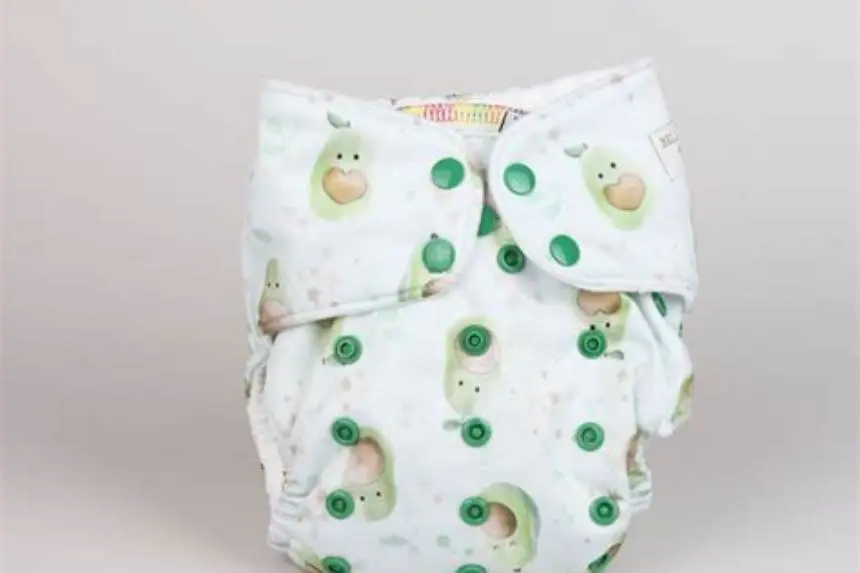
One-size pocket diapers hold overnight wetness better with hemp core fitted inserts. They contain 12-14 hours of urine without leaking. All-in-two diapers leak at the leg openings after 8-10 hours because the absorbent layer sits on top instead of tucked inside.
On this page (8 sections)
- The short version
- Why pocket diapers contain overnight wetness better
- Overnight fitted diaper with hemp core
- How all-in-two diapers fail at the leg openings overnight
- Fit limits for one-size diapers with thick hemp inserts
- Compression and absorbency: why tightness matters
- When all-in-twos still make sense for overnight
- Questions people still ask
Part of our guide on diaper genie refill replacement where to buy
Pocket diapers keep hemp core inserts pressed against the body all night, while all-in-twos let wetness escape at the thighs once the surface saturates.
| Overnight hold time | 12-14 hours in pockets, 8-10 in AIOs |
|---|---|
| Hemp prep washes | 5-8 hot cycles before use |
| Weight for tall rise | 22+ pounds |
| Insert compression | Essential for containment |
| Leak point | Leg openings on all-in-twos |
The short version
- Pocket diapers with hemp core fitted inserts hold 12-14 hours overnight without leaking
- All-in-two diapers leak at the leg after 8-10 hours because wetness wicks sideways
- Hemp core fitted inserts need a snug pocket to compress them and keep urine contained
- Babies over 22 pounds need the rise snaps at the tallest setting to fit a thick hemp insert
- Prep hemp inserts with 5-8 hot washes before the first overnight use or they'll repel
Why pocket diapers contain overnight wetness better
Pocket diapers keep hemp core fitted inserts pressed directly against your baby's skin throughout the night. The outer shell compresses the insert from all sides, forcing urine to absorb vertically into the hemp layers instead of spreading sideways toward the leg openings. That compression is what makes the difference between waking to a dry crib sheet and finding wetness on the mattress pad.
Hemp core fitted inserts hold 250-350ml of liquid depending on the number of layers, which is roughly the volume a heavy wetter produces in 12-14 hours. The insert sits inside the pocket opening, tucked between the inner stay-dry layer and the waterproof shell. When your baby moves or rolls onto their stomach, the diaper maintains contact between the insert and the body. Nothing shifts or bunches.
All-in-two diapers let the absorbent layer sit on top of a waterproof cover, held in place by snaps or a tuck-in tongue. The insert touches the baby's skin, but nothing compresses it from above. Once the top surface of the hemp saturates, urine spreads horizontally across the fabric and reaches the edges. The leg elastics on the cover don't seal against a soaking-wet insert the way they seal against a stay-dry pocket lining. Wetness escapes at the thighs after 8-10 hours, even when the core of the insert still has capacity left.
You'll notice the difference in the morning. A pocket diaper feels heavy and squishy when you unsnap it, but the outer shell stays dry. An all-in-two shows damp marks where the insert edges met the leg elastics, and the sheet often has a wet spot. People in this spot often ask about cloth vs disposable diaper costs as well.
Overnight fitted diaper with hemp core
A hemp core fitted diaper is a cloth diaper shaped like a disposable, with snaps or hook-and-loop at the waist and elastic at the legs and back. The absorbent layers are sewn together, usually with 4-6 layers of hemp fleece in the wet zone and fewer layers at the wings. Hemp holds more liquid per square inch than cotton, bamboo, or microfiber, and it releases less moisture back onto the skin under pressure.
These inserts take up more room than a flat or prefold because the hemp layers are thick and the fitted shape adds bulk at the leg gussets. When you slide one into a one-size pocket diaper, you need the rise snaps set to the tallest position to accommodate the extra fabric. Babies under 22 pounds usually don't have enough torso length to fit the tall rise without gaps at the waist, which is why hemp core fitteds work best for older babies who sleep long stretches.
Hemp fabric repels liquid until you strip the natural oils out of it. New inserts need 5-8 hot washes with a full dose of detergent before they'll absorb quickly. Skip this step and you'll get pooling on the surface instead of absorption, which defeats the overnight capacity. Test the insert by pouring a cup of water onto it. The water should soak in within 10 seconds once prep is complete. The other half of this decision is what are pampers swaddlers diapers.
Some parents use a hemp core fitted diaper as a standalone layer under an all-in-two cover for daytime changes, then stuff the same insert into a pocket shell at night. That works if you have enough inserts to rotate, but most people find it simpler to designate certain inserts for pockets and others for covers rather than switching them daily.

EcoAble Baby Overnight Hemp Cotton Fitted Cloth Diaper
Handles overnight use with a high-capacity hemp-cotton core absorbing steadily for 8 hours, fitting babies from about 10 to 30 lbs.
How all-in-two diapers fail at the leg openings overnight
All-in-two diapers rely on leg elastics in the cover to seal against the baby's thighs and keep urine inside. That seal works well during the day when you change the diaper every 2-3 hours and the insert never fully saturates. Overnight, the insert fills to near capacity and the surface stays wet. Moisture spreads to the edges of the fabric, and the elastics can't form a seal against soaking material. Urine wicks along the elastic casing and leaks onto the sheet.
The problem gets worse when the baby sleeps on their side or stomach. Gravity pulls liquid toward the lowest point, which is often the front or side of the diaper depending on position. A pocket diaper contains that shift because the insert is surrounded on all sides by the shell. An all-in-two has an open edge where the insert meets the cover, and wetness escapes there first. The other half of this decision is where to find free diapers wipes.
Some all-in-two covers have a small flap or gusset that folds over the edge of the insert to block wicking. These help, but they don't solve the compression issue. The insert still sits flat instead of molded to the body, so urine has more opportunity to spread horizontally before it absorbs. By the time you reach 10 hours, most all-in-two setups with hemp inserts have leaked at least once.
Parents who prefer all-in-twos for daytime often switch to pockets at night for this reason. The covers last longer because you're not washing them after every overnight leak, and you don't need to strip and re-prep inserts that got urine on the edges.
| Feature | Pocket diaper | All-in-two diaper |
|---|---|---|
| Hold time | 12-14 hours | 8-10 hours before leaking |
| Insert position | Compressed inside shell | Laid flat on cover |
| Leak point | Waist or diaper overfilled | Leg elastics lose seal |
| Rise setting needed | Tallest (22+ lb baby) | Tallest (22+ lb baby) |
| Prep for hemp | 5-8 hot washes | 5-8 hot washes |
| Ease of stuffing | Takes 15-20 seconds per diaper | Snap or tuck in 5 seconds |
Fit limits for one-size diapers with thick hemp inserts
One-size pocket diapers adjust from roughly 8 to 35 pounds using rows of rise snaps and waist snaps. A hemp core fitted insert adds 1-2 inches of bulk in the crotch, which forces you to use the tallest rise setting even on a baby who would normally wear the middle snaps based on weight. Babies under 22 pounds often don't have the torso length to bridge the gap between the leg elastics and the waistband when the rise is set tall. You'll see gaping at the waist or red marks at the thighs.
The thigh elastics need to sit in the crease where the leg meets the body. If the diaper is too bulky, the elastics ride up onto the thigh or down into the groin, and you lose the seal that prevents leaks. Check the fit before bed by sliding one finger under each leg elastic. You should feel light tension, not tightness, and the elastic should rest in the natural crease.
Some one-size shells run larger or smaller than others even though they all claim the same weight range. A trim-cut pocket like the Thirsties Natural One Size fits babies on the lighter end of the range but may not accommodate a very thick insert without compression leaks at the waist. A roomier shell like the Nicki's Diapers One Size handles bulk better but can gap on smaller babies. If you're planning to use hemp core fitteds overnight, buy one diaper in the style you're considering and test it with the actual insert before committing to a full stash.
Babies over 28 pounds usually outgrow the absorbency of a single hemp core fitted before they outgrow the physical fit of the diaper. At that point you need to add a hemp booster or doubler inside the pocket along with the fitted insert, or switch to a bigger overnight solution like a sized fitted with a separate cover.
- 22 pounds minimum: baby needs this weight or more to fit the tall rise setting without gaping at the waist
- Thigh elastic check: should sit in the leg crease with light tension, not ride up or dig in
- 28 pounds capacity limit: single hemp core fitted usually needs a booster added beyond this weight
- Test one shell first: fit varies by brand even within the one-size category

ALVABABY Baby Cloth Diaper 6 Pack with 12 Inserts One Size Cloth Diaper
Fits babies roughly 6.6 to 33 pounds with adjustable one-size pocket diapers, length 15 inches.
Compression and absorbency: why tightness matters
Hemp fabric absorbs liquid by pulling it into the fiber structure through capillary action. Once absorbed, the liquid stays in the fabric as long as external pressure doesn't force it back out. When you compress a saturated hemp insert by pressing it between your hands, liquid squeezes out. The same thing happens when a baby sits or rolls onto a thick, wet diaper that isn't contained by a snug shell.
Pocket diapers compress the insert from all sides because the shell wraps around the baby's waist and legs. That compression keeps the hemp fibers packed together and prevents liquid from migrating back to the surface. The stay-dry lining inside the pocket wicks moisture away from the baby's skin, but the bulk of the liquid stays trapped in the insert core.
All-in-two diapers don't provide top-down compression. The insert sits against the baby, but the cover only touches the edges. When the baby lies on their stomach, their body weight presses down on the insert, squeezing liquid toward the perimeter. The leg elastics can't hold back that much moisture, especially after 8 hours when the insert is nearly full. You get compression leaks even though the diaper still has absorbent capacity left in the center.
This is why fit matters more with hemp inserts than with thinner materials like microfiber or cotton. A snug pocket diaper with no gaping at the waist or legs keeps the insert compressed and functional. A loose diaper or an all-in-two with a thick insert lets liquid shift around, and you lose containment.
When all-in-twos still make sense for overnight
All-in-two diapers work overnight if you're using a thinner insert like a cotton prefold or a hemp-cotton blend that doesn't saturate the surface as heavily. They also work for babies who sleep shorter stretches, 8 hours or less, and don't produce enough urine to fill the insert to the point where wicking becomes a problem. Some parents prefer all-in-twos because they dry faster on the line and you can reuse the cover for multiple changes if it doesn't get soiled.
If your baby is a side or back sleeper and stays in one position all night, an all-in-two has a better chance of holding without leaking. Stomach sleepers and babies who roll frequently put more pressure on the front of the diaper, which forces liquid toward the leg openings. Pay attention to sleep position when you're deciding between systems.
Another scenario where all-in-twos work is when you're using a fitted diaper with a separate cover instead of an insert. A true fitted diaper has its own leg elastics and snaps closed around the baby, so it contains wetness independently. The cover adds waterproof backup. That combination holds as well as a pocket for most babies, and you can wash the fitted separately from the cover if only the insert gets wet.
Cost matters too. All-in-two covers run $15-22 each, and you can rotate 4-6 covers with a larger stash of inserts. Pocket diapers cost $18-25 each, and you need enough shells to cover all your overnight changes since you can't reuse them. If you're on a tight budget and willing to accept an occasional leak, all-in-twos save money.
- Faster drying time for covers
- Lower upfront cost per diaper
- Reuse cover if not soiled
- Works well for 8-hour sleepers
- Leaks after 8-10 hours with hemp
- No compression on insert
- Wetness wicks at leg elastics
- Needs position-dependent baby
Questions people still ask
Can I use a hemp core fitted insert in an all-in-one diaper overnight?
No. All-in-one diapers have absorbent layers sewn into the shell, so there's no pocket or space to add a separate insert. You'd be layering the hemp fitted on top of the built-in absorbency, which creates too much bulk and usually causes the leg elastics to gap. Stick to pockets or all-in-twos for hemp core fitteds.
How many hemp core fitted inserts do I need for overnight cloth diapering?
Six to eight inserts cover most families who wash every two to three days. You'll use one per night, so six gives you enough for four nights plus two spares while the others are in the wash. If you wash less frequently or have two children in night diapers, add three to four more inserts to the rotation.
Do I need a separate booster with a hemp core fitted insert in a pocket diaper?
Not until your baby exceeds the insert's capacity, which usually happens around 28-30 pounds or after 14 hours overnight. At that point, add a hemp or cotton doubler inside the pocket along with the fitted insert. The doubler sits between the insert and the stay-dry lining and adds another 100-150ml of absorbency.
Why does my hemp insert leak even after I prepped it?
The insert might still have residual oils, or you're getting compression leaks from a loose fit. Re-wash the insert with a full dose of detergent and a hot rinse, then test by pouring water on it. If it absorbs instantly, the prep is done. If you still get leaks, tighten the waist and leg snaps on the diaper to compress the insert better.
Can I stuff two hemp core fitted inserts into one pocket diaper for a heavy wetter?
Technically yes, but the bulk becomes impractical for most babies under 30 pounds. The crotch gets so thick that the leg elastics gap and the baby can't bring their legs together comfortably. A better solution is one hemp core fitted plus a thin hemp doubler, which adds capacity without doubling the bulk.