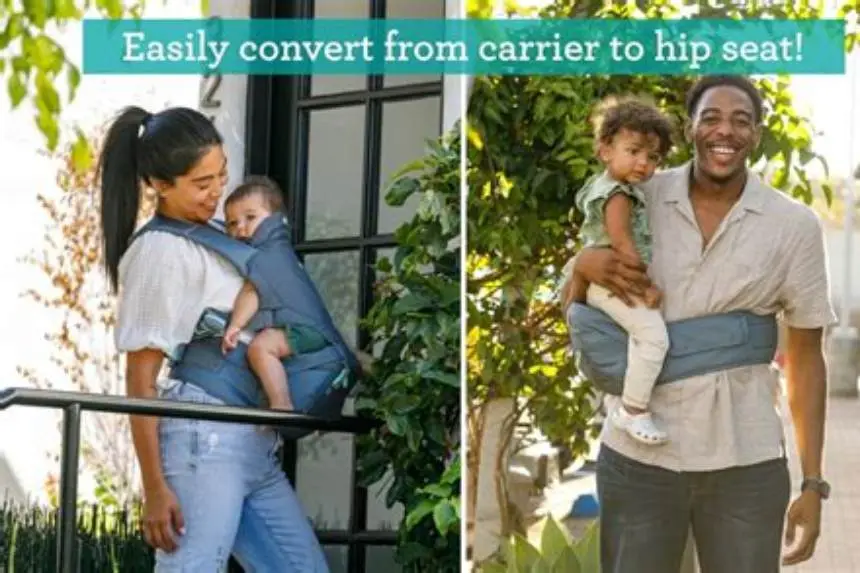
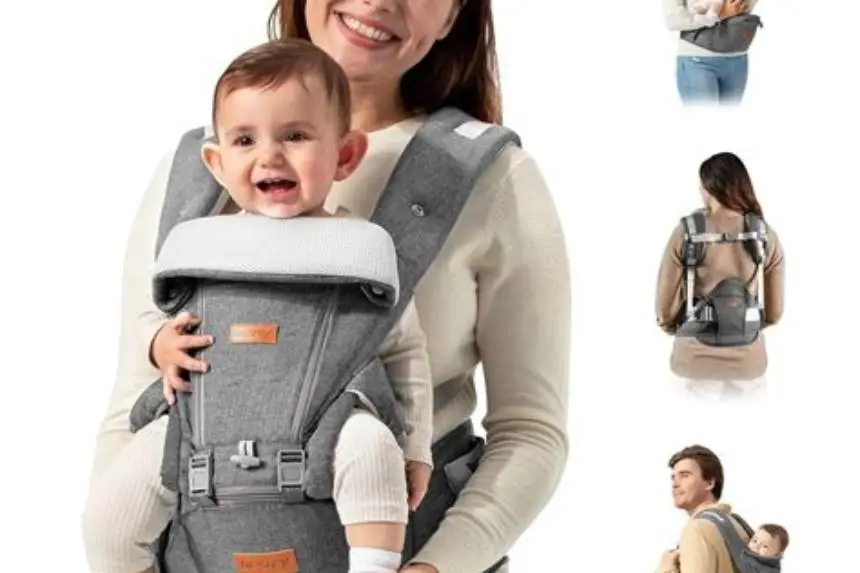
Is a hip seat carrier truly ergonomic for toddlers 25-60 lbs
Hip seat carriers can be ergonomic for toddlers weighing 25-60 lbs if they support an 'M' or frog-leg hip position and distribute weight through the parent's hips, but storage pockets may add bulk that affects comfort depending on design.
On this page (8 sections)
- What matters most
- How hip seat carriers support toddlers weighing 25-60 lbs
- Ergonomics of hip seat carriers: benefits and limits for toddler hip health
- How storage pockets affect the ergonomics and comfort of hip seat carriers
- Is a hip seat carrier ergonomic for toddlers 25-60 lbs with storage pockets
- How to choose the right hip seat carrier for your toddler with storage pockets
- Common misconceptions about hip seat carrier ergonomics and storage pockets
- Questions people still ask
Part of our guide on boba wrap sizing guide
The numbers
- Toddler weight range
- 25-60 lbs
- Recommended hip position
- 'M' shape
- Common hip seat weight limit
- 50-60 lbs
- Storage pocket impact
- Varies by design
- Typical seat width
- 10-14 inches
- Parent hip pressure zone
- Pelvic girdle area
What matters most
- An ergonomic hip seat carrier supports toddler hips in an 'M' shape, critical up to 60 lbs.
- Weight distribution on parent’s hips reduces back strain even with heavier toddlers.
- Storage pockets add convenience but may increase bulk and pressure points.
- Check that pockets do not distort the seating platform or impede toddler positioning.
- Choose a carrier tested for toddler weight limits and adjustability for best fit.
How hip seat carriers support toddlers weighing 25-60 lbs
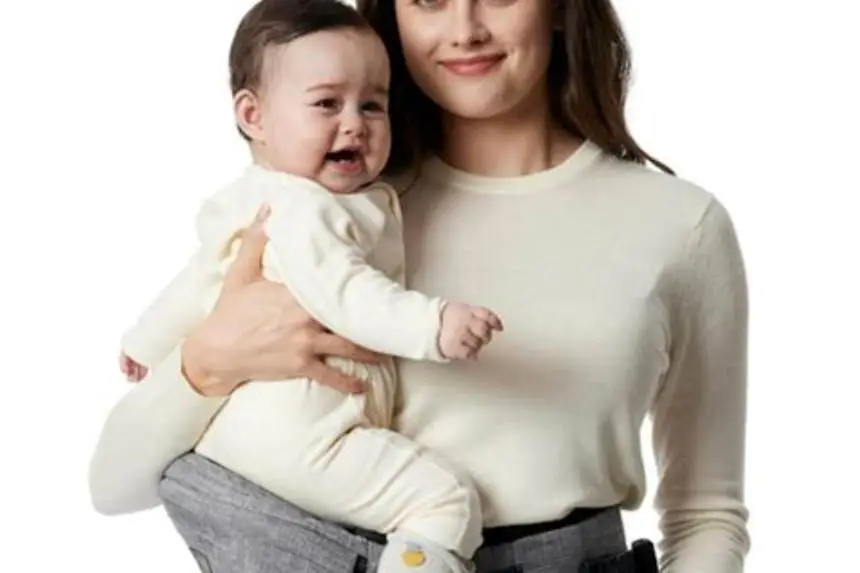
Hip seat carriers position toddlers on a firm seat platform that rests on the parent's hip or waist. For toddlers between 25 and 60 pounds, the seat width and depth must support their thighs and buttocks to maintain an ergonomic 'M' shape, where knees are higher than the bottom. This helps protect hip joint development into the toddler years.
Carriers designed for toddlers in this weight range often have seat widths from about 10 to 14 inches depending on the child’s size. The deeper the seat, the more thigh support is provided to prevent pressure on the hips or dangling legs.
Weight distribution across the parent's pelvic girdle area is vital. The hip seat should transfer most weight to the hips rather than the shoulders or back. Carriers with wide, padded hip belts and adjustable straps allow parents to position the carrier snugly, reducing fatigue during longer carries.
Ergonomics of hip seat carriers: benefits and limits for toddler hip health
Ergonomically, hip seat carriers support healthy hip positioning better than narrow carriers that force legs to dangle. The 'M' shape keeps hips flexed and knees elevated, reducing stress on the hip joints. This is especially important in toddlers 25-60 lbs who have larger, heavier bodies than infants. It helps to understand choosing carriers for healthy legs before going further.
However, some hip seat designs with too shallow or narrow seats cause the toddler’s legs to hang straight down, which can increase pressure on hip joints or spine. This contradicts ergonomic principles and risks discomfort or long-term issues.
The carrier’s material and padding on the seat also affect comfort. A firm, stable platform helps maintain posture, but overly rigid seats may reduce comfort. Parent fit matters too; the carrier should allow tight but comfortable positioning on the hip to avoid shifting that can disturb toddler posture.
How storage pockets affect the ergonomics and comfort of hip seat carriers
Storage pockets add convenience but can interfere with the ergonomic function of hip seat carriers if poorly placed or bulky. Bulky pockets on the seat platform can alter its shape, causing uneven toddler seating or reduced thigh support. If that sounds like your situation, read up on when to use a hip seat carrier next.
Pockets that stick out create pressure points against the parent's hip or thigh. Over long use, this can cause discomfort or bruising for the parent. Even smaller pockets on straps or hip belts may cause imbalance or shifting if they hold heavy items.
The best pocket designs integrate flat, flexible storage that does not distort the seat or restrict toddler movement. Removable pockets allow adjustment based on needs, preserving ergonomic integrity when pockets aren’t needed.
| Pocket Type | Effect on Toddler Seating | Effect on Parent Comfort |
|---|---|---|
| Bulky seat pockets | Can distort seat shape, reduce thigh support | Pressure points, discomfort |
| Flat hip belt pockets | Minimal effect on seating | Possible slight bulk against hip |
| Strap pockets | No direct impact | May cause imbalance if loaded heavily |
| Removable pockets | Adjustable, no permanent seat distortion | Parent comfort varies by load |
Is a hip seat carrier ergonomic for toddlers 25-60 lbs with storage pockets
A hip seat carrier designed for toddlers 25-60 pounds can be ergonomic if it maintains proper hip positioning and weight distribution. The seat platform must be wide and deep enough to keep the child’s legs in the recommended 'M' position, vital for hip joint safety at this size. There is more on front and back facing baby carriers in a separate guide.
Adding storage pockets may reduce comfort or disrupt toddler positioning if the pockets increase seat bulk or cause pressure points on the parent's hip. However, slim, well-placed pockets or removable designs minimize these issues.
Parents should prioritize carriers tested for toddler weight limits up to 60 lbs and evaluate how pockets affect both their comfort and toddler posture. Some ergonomic compromises may occur with storage features, so deciding depends on your priorities between carrying convenience and maximum comfort.
How to choose the right hip seat carrier for your toddler with storage pockets
Focus on seat dimensions matching your toddler’s leg length and weight. Measure thigh width and ensure the carrier’s seat width supports it fully to maintain ergonomic posture. Consider carriers with adjustable seat width or inserts for growing toddlers.
Evaluate pocket design carefully. Aim for slim-profile or detachable pockets to avoid permanent seat distortion or bulky pressure points. Check how pockets load when filled: some brands provide weight limits for pockets.
Try on the carrier loaded with typical items you carry, with your toddler seated. Notice any discomfort or shifts in toddler leg positioning. Adjust straps and belts to distribute weight evenly and secure the seat firmly on your hip.
If possible, get a safety gauge or pressure meter to observe pressure distribution on your hip area during use. This can help you spot uncomfortable pressure points caused by pockets or poor fit before they cause pain.
- Measure your toddler’s thigh width and leg length.
- Check carrier seat dimensions and weight limits.
- Inspect pocket size, placement, and load capacity.
- Test the carrier with your toddler seated and typical load.
- Adjust straps and check for even weight distribution.
Common misconceptions about hip seat carrier ergonomics and storage pockets
Not all hip seat carriers that advertise storage pockets are equally ergonomic; some compromise toddler support or parent comfort. Choosing a carrier based solely on pocket convenience risks missing the critical ergonomic needs for toddlers 25-60 lbs.
Some parents believe hip seat carriers automatically support healthy hip development. In reality, only those with proper seat width and depth truly maintain the 'M' position essential for hip safety in toddlers.
There is debate about whether added weight from pockets causes back strain. While extra load can matter, well-designed hip seat carriers distribute this load efficiently to the hips. Poor fit or unbalanced pockets cause discomfort more often than weight alone.
Size limits matter. Using a hip seat carrier beyond its recommended toddler weight can cause structural strain and loss of ergonomic benefits regardless of pockets or design.
Questions people still ask
Can a hip seat carrier support a toddler over 50 lbs safely?
Some hip seat carriers are rated up to 60 lbs and can support toddlers over 50 lbs if the seat design maintains proper hip positioning and the parent fits the carrier well. Always check the manufacturer’s weight limit.
Do storage pockets make hip seat carriers uncomfortable for parents?
Storage pockets can add bulk that presses on the parent's hip, causing discomfort if large or rigid. Slim or removable pockets reduce this risk and maintain comfort.
How do I ensure my toddler’s hips are well supported in a hip seat carrier?
Ensure the toddler’s knees are higher than the bottom with thighs fully supported by the seat, forming an 'M' shape. Measure seat width and depth against your toddler’s legs before use.
Is it better to carry toddlers on the hip or front with a carrier?
Hip carrying can better distribute weight to the pelvis and offers toddlers a natural seated position if the seat is ergonomic. Front carrying may offer more back support but can increase shoulder load.
Can added weight in pockets cause back pain?
Improperly balanced or heavy loads in pockets can cause discomfort. Ergonomic carriers transfer weight to hips, so balanced packing and moderate loads help prevent back strain.