How to position a seat belt safely for pregnancy and child car seats
Position the lap belt under your belly, low and snug across hips during pregnancy, and route booster seat belts along manufacturer’s marked paths, typically over the shoulder and low on the hips, ensuring no slack or twists.
On this page (8 sections)
- What matters most
- How to position a seat belt properly during pregnancy
- How to set up booster belt path baby car seat
- Which car seat belt path does my Graco use
- Why lap belt positioning matters for pregnant drivers and passengers
- Common mistakes to avoid when positioning seat belts for children and pregnancy
- Step-by-step checklist to position a seat belt properly for pregnancy or child seats
- Questions people still ask
Part of our guide on choosing the right car seat base
The numbers
- Pregnant lap belt
- Below belly, on hips
- Booster belt path
- Over shoulder and hips
- Graco seat belt guide
- Visible on seat
- Belt snugness
- No slack or twists
- Child seat weight range
- Varies by model
What matters most
- Pregnant seat belts must sit low on hips, below belly bump
- Child car seat belts follow specific factory-marked paths
- Booster seats use shoulder belts with clear belt guides
- Check belt snugness and absence of twists every ride
- Graco seats have visible belt path labels for easy setup
How to position a seat belt properly during pregnancy
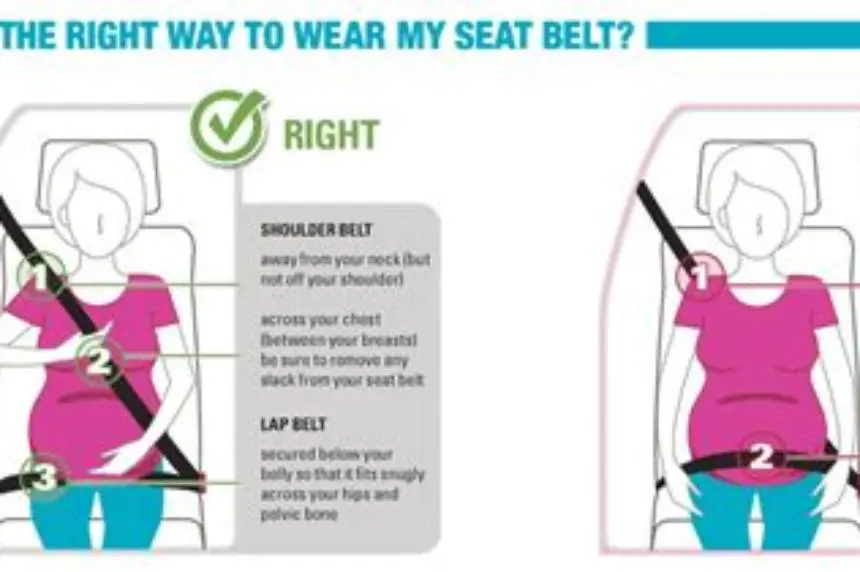
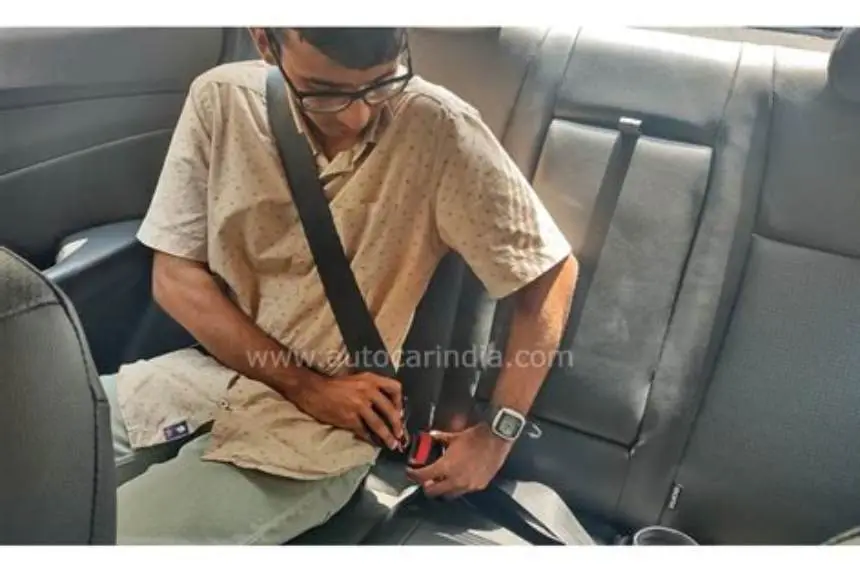
Pregnancy changes how the seat belt should fit to protect both mother and baby. The lap belt must lie flat and snug across the pelvis, under the pregnant belly, never over or across it. This position helps distribute crash forces on the stronger hip bones rather than the soft abdomen.
The shoulder belt should cross the middle of the chest between the breasts and off to the side of the belly. Avoid placing it behind the back or under the arm. The belt must not be twisted to maintain proper restraint effectiveness.
Driving posture also matters. Sit upright but comfortably close to the steering wheel or dashboard, maintaining at least 10 inches between the breastbone and the steering wheel. This spacing minimizes injury risk in sudden stops or crashes while keeping the seat belt well positioned.
In some cases, pregnant drivers may benefit from using a seat belt positioning device designed specifically for pregnancy. These devices can help keep the lap belt comfortably low on the hips and off the belly, reducing pressure and improving fit when standard belt positioning is difficult. However, any such device must be approved and tested for safety and should never replace correct belt positioning. We go through wearing car seat belts correctly step by step elsewhere on the site.
Pregnant passengers should also be mindful of seat adjustment beyond just moving back. Adjusting the seat height and recline angle can influence how the belt lies across the body. For example, a slightly reclined seat may help the shoulder belt rest properly between the breasts without cutting into the neck, though excessive recline can increase risk in a crash. Regularly checking belt fit as pregnancy progresses is critical.

Car Seat Pillow for Pregnancy
Transfers seat belt pressure from the abdomen to a safer position using the three-point force principle, protecting mother and baby without slack
How to set up booster belt path baby car seat
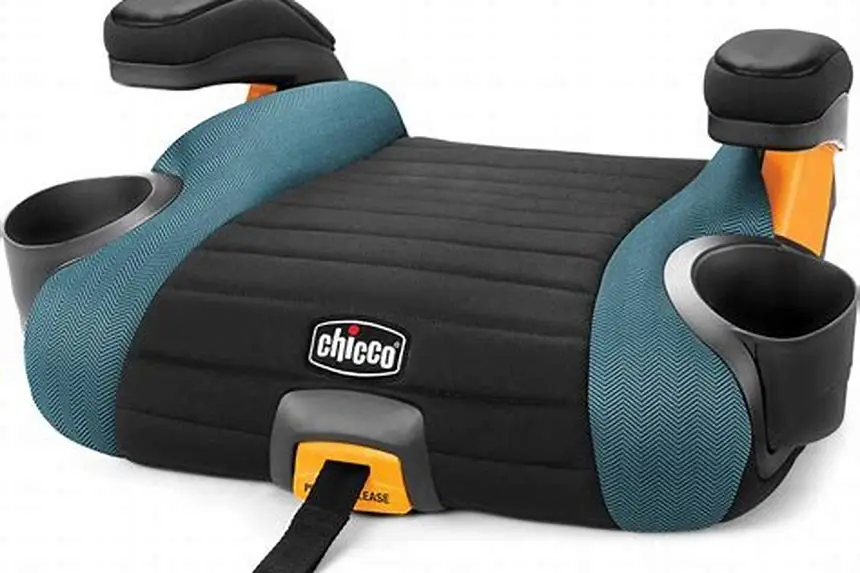
Booster seats rely on the vehicle’s seat belt to restrain the child properly. The key is routing the belt through the booster’s designated belt guides. These guides position the lap belt low on the hips and the shoulder belt across the shoulder and chest.
Incorrect paths can cause the belt to rest on the child’s stomach or neck, increasing injury risk. Most booster seats have clear, often color-coded labels showing where the belt should travel. The lap belt must never ride across the abdomen. For the detail, see our notes on installing a booster seat safely.
Adjust the booster seat so the child’s knees bend comfortably over the edge of the seat, ensuring the lap belt lies flat and tight. After securing the belt, tug gently to confirm there is no slack or twists in the belt.
Booster seats come in different types, including high-back and backless models, which may affect belt path setup. High-back boosters often provide more precise belt guides and head support, helping maintain correct belt placement even on longer trips. Backless boosters require careful positioning to ensure the lap belt stays low on the hips and the shoulder belt does not slip off the shoulder.
When fitting a booster seat, it’s important to confirm that the vehicle seat’s design allows the belt to lie flat without gaps. Some vehicle seats with deep contours or side bolsters may cause the belt to twist or shift, reducing effectiveness. In such cases, repositioning the booster or trying a different model compatible with the vehicle can improve safety. If that sounds like your situation, read up on backless booster car seat with latch next.
Which car seat belt path does my Graco use
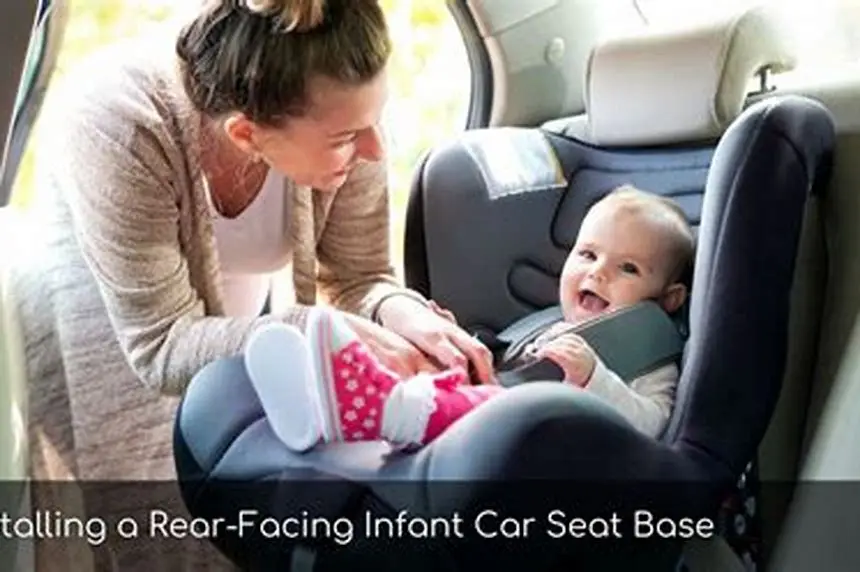
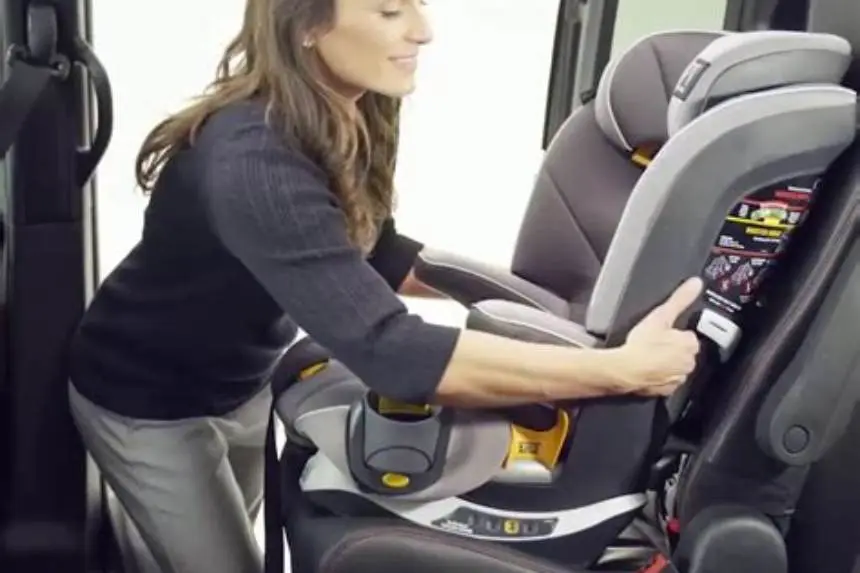
Graco car seats typically use clearly labeled belt paths that vary by model and installation mode (rear-facing, forward-facing, booster). These labels appear as molded plastic guides or colored fabric loops sewn onto the seat.
For rear-facing seats, the vehicle’s lap and shoulder belts route through rear-facing belt paths, usually lower and nearer the base of the seat. Forward-facing Graco seats have separate belt paths higher on the seat shell, designed to secure the child upright.
Booster models from Graco include dedicated belt guides to direct the vehicle’s belts safely across the child’s shoulder and hips. Following these guides exactly ensures compliance with safety standards and the seat’s tested crash performance.
Why lap belt positioning matters for pregnant drivers and passengers
The lap belt protects the pelvis and lower body in a crash by absorbing impact forces and preventing sliding under the belt. When positioned correctly below the belly, the belt minimizes direct pressure on the uterus and fetus.
Misplaced lap belts can cause serious injuries including uterine rupture or placental abruption. These injuries often result from belt placement over the bump or too high on the abdomen. Proper positioning reduces these risks substantially.
Pregnant women should also be aware that as the belly grows, the seat position may need adjustment. Moving the seat slightly back can help maintain the lap belt’s correct position without sacrificing reach to the pedals or controls.
Common mistakes to avoid when positioning seat belts for children and pregnancy
Twisting or slack in the belt is a frequent error that undermines restraint effectiveness. The belt must lie flat against the body and seat or car seat surface.
Placing the shoulder belt behind the back or under the arm reduces protection and can cause severe injuries in a crash. This mistake often occurs when children try to get more comfort but severely compromises safety.
Using an adult belt too early or without the proper booster leads to a poor fit. The belt must cross the shoulder and chest, not the neck, and the lap belt must hit the upper thighs, not the stomach. Booster seats fill this gap until children reach the size where adult belts fit correctly.
Step-by-step checklist to position a seat belt properly for pregnancy or child seats
Position the lap belt so that it fits snugly across your hips and pelvis, never across your abdomen or stomach area, especially if pregnant.
Place the shoulder belt so that it crosses the center of your chest between your breasts and rests comfortably across your shoulder, not on your neck or under your arm.
Locate the correct belt path on your child’s car seat according to the manufacturer’s instructions, which vary by seat type and installation mode.
Route the seat belt through the identified belt path, ensuring the belt lies flat without any twists or slack that can reduce effectiveness.
Tighten the seat belt and booster seat adjustments so the child sits securely, with knees bent comfortably at the front edge of the booster seat, and the belt snug around their body.
Perform a pull test on the seat belt to confirm there is no slack, and verify the belt’s position remains correct during normal vehicle movements.
Check the child’s weight and height to ensure they meet the car seat or booster seat limits, and never exceed the maximums specified by the manufacturer.
Review your vehicle owner’s manual for any additional guidance on seat belt use and compatibility with child safety seats.
- Position the lap belt low on your hips, sliding it beneath the belly if pregnant.
- Place the shoulder belt across the middle of the chest, between the breasts, avoiding the neck.
- Install the child car seat according to manufacturer instructions, locating the correct belt path.
- Route the seat belt through the child seat’s marked belt guides without twists or slack.
- Adjust the booster seat so the child’s knees bend at the seat’s edge and the belt fits snugly.
- Test the belt by pulling it gently to ensure a tight fit, and check for any twists.
- Verify the child meets the seat’s weight and height limits before use.
- Review your vehicle’s owner manual for seat belt and car seat compatibility confirmation.
Questions people still ask
Can I wear the shoulder belt under my arm during pregnancy?
No. Wearing the shoulder belt under the arm reduces protection and can cause serious injuries in a crash. It must cross the chest between the breasts to restrain you safely.
How do I know if my child’s booster seat belt path is correct?
Locate the booster’s belt guides, usually marked with labels or color codes. The lap belt must lie low on the child's hips and the shoulder belt across the shoulder and chest without slack or twists.
Does every Graco car seat have the same belt path?
No. Belt paths differ by model and installation mode. Always check the specific Graco seat manual for exact belt path locations before installation.
What should I do if the seat belt feels too tight or uncomfortable during pregnancy?
Adjust the seat position slightly back to relieve pressure, but keep the lap belt low on your hips. You can also try a pregnancy seat belt adjuster designed to maintain proper positioning and comfort.
When can my child stop using a booster seat and use only the car’s seat belt?
Children should transition when the vehicle’s seat belt fits them properly (lap belt low on hips, shoulder belt across the chest) and they meet height and weight criteria, usually around 4 feet 9 inches tall and ages 8-12.