Which crib divider fits a standard full-size crib: exact fit and compatibility
Get the crib divider that fits standard full-size cribs perfectly to separate twins or a toddler safely.
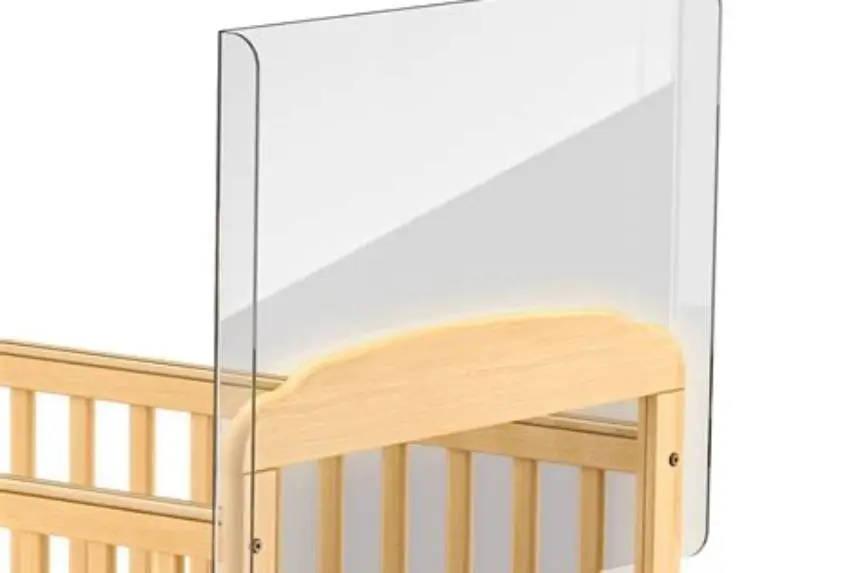
A crib divider that fits a standard full-size crib must match the crib’s inside dimensions of about 52 inches long by 28 inches wide. Measure your crib and pick a divider explicitly sized for these dimensions to ensure a safe, snug fit.
On this page (8 sections)
- The short version
- What are the standard dimensions of a full-size crib?
- How to check if a crib divider fits these dimensions
- Common issues when a crib divider does not fit properly
- Recommendations on verifying compatibility before buying
- Which crib divider fits a standard full-size crib
- Who should not use standard full-size crib dividers
- Questions people still ask
Part of our guide on twin stroller with car seats
This page reveals which crib divider fits the exact dimensions of a standard full-size crib, avoiding unsafe gaps and poor fits.
| Full-size crib length | 52 inches |
|---|---|
| Full-size crib width | 28 inches |
| Divider fit requirement | Match crib interior |
| Common fit error | Gap over 1 inch |
| Divider materials | Wood or plastic typical |
The short version
- Standard full-size cribs measure about 52 by 28 inches inside.
- Crib dividers must match these exact dimensions to fit safely.
- Measure your crib before buying a divider to avoid errors.
- Ill-fitting dividers create gaps that risk baby safety.
- Choose dividers designed for full-size cribs, not mini or portable ones.
What are the standard dimensions of a full-size crib?
A standard full-size crib’s interior measures roughly 52 inches in length and 28 inches in width. These sizes come from US safety regulations ensuring enough space for infants but stopping them from slipping into gaps.
Height and slat spacing vary by brand but don't affect divider fit as much as length and width do. Your divider needs to cover the full internal length and width to divide the crib properly.
Confirm your crib's actual inside dimensions with a tape measure, not just the model specs. Manufacturing tolerances and crib design slightly shift these numbers by up to half an inch.
Some full-size cribs have slight variations in depth due to design features like rounded corners or built-in storage drawers. The divider should not interfere with these features. Measure the inside usable space where the divider will sit, avoiding areas where the crib frame curves inward or where hardware protrudes. For the detail, see our notes on can we bring a stroller on dc metrorail.
Standard full-size cribs typically have mattress thickness limits between 4 and 6 inches. When choosing a divider, consider its thickness plus the mattress thickness to ensure the divider does not reduce the available sleeping surface excessively. For example, a 1-inch thick divider combined with a 6-inch mattress still fits within the standard 28-inch width if the divider is 27 inches wide or less.
How to check if a crib divider fits these dimensions
Measure your crib’s inside length and width at the base where the mattress sits. Record the exact numbers in inches and compare them to the divider’s stated dimensions.
Look for dividers specifying they fit standard full-size cribs or 52 by 28 inches. Many sellers list exact divider sizes; your divider should be no larger than 52 by 28 inches to avoid force-fitting. There is more on how to install isofix base in a separate guide.
Check the thickness of the divider and how it attaches. It should not reduce the crib’s usable width by more than an inch total, or the mattress won’t fit well.
Avoid dividers made for mini cribs or bassinets, as their dimensions are too small. Also, avoid generic dividers that do not specify full-size compatibility.
Test the divider by placing it inside your crib before final installation. Check for any movement or gaps greater than an inch when you press lightly on the divider. A good fit should stay securely in place without forcing.
Check the attachment points for compatibility with your crib style. Cribs with thin slats require different fasteners than those with solid side panels. Some dividers include adjustable straps or clamps to accommodate different crib designs.
If you have a mattress with a non-standard thickness, measure the divider plus mattress thickness combined. The total should not exceed 28 inches in width, or the mattress will be compressed or not fit correctly.
Common issues when a crib divider does not fit properly
If a divider is too small, it leaves gaps bigger than one inch between the divider and crib walls. These gaps pose a risk of limbs or heads slipping through, which is unsafe.
Too large a divider can jam into the crib sides, damaging the crib or making removal difficult. It can also push the mattress up, making the baby uncomfortable or unstable.
Ill-fitting dividers compromise the crib’s structural integrity. They might wobble or detach unexpectedly, posing a hazard especially when handling multiple children.
Some dividers lack attachment mechanisms or have poorly designed fasteners, making fit unreliable even if the size matches. Secure mounting is as important as size.
Visible signs of poor fit include gaps allowing a hand or foot to slip through the divider edge or uneven pressure on the crib frame, which can cause bending or warping over time.
If the divider is too loose, it can rattle or shift when the baby moves, which may wake or disturb them. A shifting divider may also pinch fingers or limbs, creating hazards.
An ill-fitting divider can void the crib’s warranty or cause it to fail safety inspections. Check your crib manufacturer’s guidelines to confirm divider compatibility and maintain safety certifications.
Recommendations on verifying compatibility before buying
Confirm your crib’s internal length and width with a tape measure before purchase. Don’t rely on curbside or package claims about size compatibility alone.
Check product specifications carefully. The listing should state the divider’s length and width dimensions explicitly in inches or centimeters.
Look for user reviews or Q&A confirming exact fit with standard full-size cribs. Buyers often share real-world fitting experience there.
If in doubt, contact the seller or manufacturer to confirm compatibility with your crib model. Some dividers also provide adjustable sizing options which can help.
Avoid buying from sellers that do not provide precise size info or images showing the divider installed in a full-size crib.
Request exact measurements and installation instructions from sellers if they are not clearly listed. Some dividers only specify approximate sizes, which may not be sufficient.
Check if the divider offers features like adjustable width or mounting hardware that fits your crib type. Adjustable dividers can save you from returning an incompatible model.
When possible, buy from retailers with liberal return policies so you can test the divider in your crib risk-free. Keep the packaging until fit and installation are confirmed.
Which crib divider fits a standard full-size crib
The secure fit comes from a divider labeled to fit full-size cribs measuring 52 by 28 inches inside. Most reliable dividers match these exact dimensions or slightly less to allow mattress thickness.
Look for dividers made of sturdy materials like wood or rigid plastic with mounting hardware designed for crib slats or walls. Metal dividers rarely fit full-size cribs safely.
A fixed divider that clamps or screws into the crib frame prevents shifting. Avoid soft or loose dividers that can move, especially with multiple children.
Some dividers feature adjustable widths, from about 26 to 28 inches, to precisely fit your crib’s width and allow mattress fit. Length usually is fixed around 52 inches.
Choose one that also meets current US safety standards including non-toxic finishes and slat spacing no wider than 2 3/8 inches.
| Feature | Ideal Value | Reason |
|---|---|---|
| Length | 52 inches | Matches standard crib interior length |
| Width | 27-28 inches | Fits crib width without squeezing mattress |
| Material | Wood or rigid plastic | Stable and durable for safety |
| Mounting | Clamps or screws | Prevents divider from shifting |
| Safety | Non-toxic finish, proper slat spacing | Complies with safety standards |
- Exact fit for full-size cribs
- Sturdy material prevents shifting
- Meets US safety standards
- Usually more expensive than generic dividers
- Non-adjustable length limits crib choice
- May require tools for installation
Who should not use standard full-size crib dividers
Parents with mini cribs or non-standard cribs should not buy full-size dividers. They won’t fit or secure properly and pose safety hazards.
Those needing a temporary or portable divider for quick separation in travel cribs will find full-size dividers too bulky and heavy.
Families with very thick crib mattresses over 6 inches may find standard dividers reduce mattress fit, creating uncomfortable gaps or pressure points.
If you lack tools or skills to install fixed dividers safely, a different solution like a mesh crib separator or play yard divider might serve better.
Parents of newborns or very young infants should avoid using dividers that reduce crib space below safety recommendations. Babies need enough room to move freely without restriction, usually at least 24 inches wide per side if divided.
If the baby is prone to climbing or pushing against the divider, it might become unstable. In such cases, consider monitoring use closely or choosing alternative safety products.
Avoid dividers in cribs with unusual shapes or proprietary designs, such as convertible cribs that change into beds. These often require custom dividers or no divider at all to ensure safety.
Only dividers matching 52 by 28 inches with secure mounts fit standard full-size cribs safely.
Questions people still ask
Can I use a crib divider meant for mini cribs in my full-size crib?
No. Mini crib dividers are smaller and won’t cover the full space, creating gaps over 1 inch that are unsafe.
How tight should the fit be between the divider and crib walls?
The divider should fit snugly without gaps larger than 1 inch. Too tight risks damage; too loose risks gaps.
Are adjustable crib dividers better than fixed ones?
Adjustable dividers can fit your crib more precisely, but they must still lock securely to prevent shifting.
Is installation difficult for crib dividers?
Some require tools and careful mounting. Choose based on your comfort with assembly and installation.
What safety certifications should a crib divider have?
Look for compliance with US CPSIA standards and certifications that confirm non-toxic finishes and proper slat spacing.