How many wipes newborns and older babies use per day and per month
Estimate how many wipes newborns and older babies use daily and monthly, plus how to measure your own use and factors that change totals.
These are estimates based on diaper-change frequency and wipes used per change, with supporting sources. Use the method here to measure your own baby's needs.
On this page (9 sections)
- The short version
- How to estimate wipes from diaper changes
- Age brackets and sample estimates
- How feeding method affects wipe use
- Health, illness, and skin conditions that change wipe totals
- Diaper type and cleaning method
- Putting the estimates into practice
- Sources and how reliable these estimates are
- Questions people still ask
Part of our guide on daily baby wipe usage
Use a seven-day count to estimate how many wipes your newborn or older baby uses each day and month. This yields a tailored supply plan and reduces waste.
| How to estimate | Count diaper changes x wipes per change |
|---|---|
| Sample range for 0-3 months | 8–12 changes; 3–6 wipes per change; 24–72 wipes daily |
| Sample range for 3-6 months | 6–10 changes; 2–5 wipes per change; 12–50 wipes daily |
| Sample range for 6-12 months | 5–8 changes; 2–4 wipes per change; 10–32 wipes daily |
| How to get monthly | Daily average x 30 days, add 10% for buffer |
The short version
- Estimate wipes from diaper changes and wipes per change rather than one fixed number.
- Wipe use varies with age, feeding method, health, and diaper type.
- Track a week to get a personal daily average, then multiply for a month.
- Plan extra wipes for illness, travel, or extra cleaning tasks.
- Sources: American Academy of Pediatrics guidance and parenting survey data inform typical diapering patterns.
How to estimate wipes from diaper changes
Count every diaper change for seven days. Include wipes used for hands, face, and surfaces.
Record how many wipes you use at each change. Note when a change is poop, urine, or both.
Calculate a daily average: add totals and divide by seven. Multiply that average by 30 for a monthly estimate.
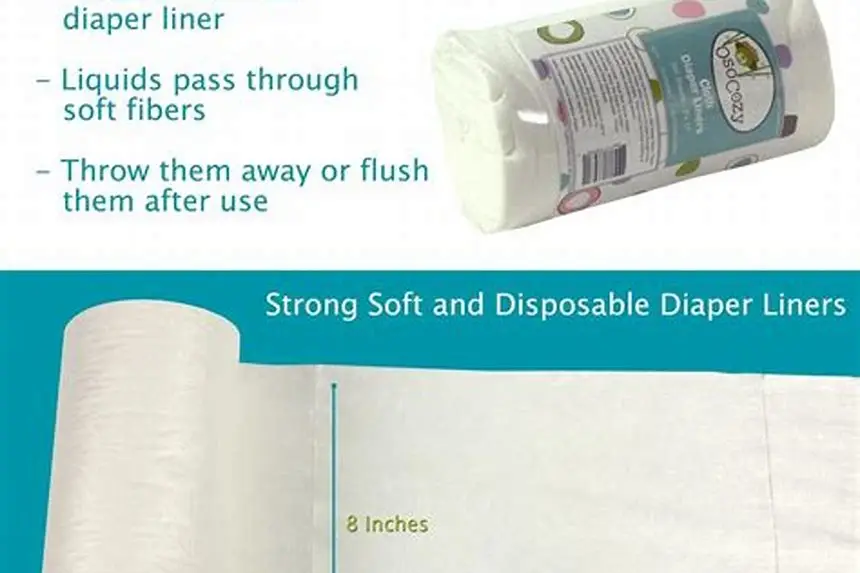
Add 10% to the monthly number to cover sickness, travel, or extra cleaning. Before you commit to anything, it is worth looking at flushable cloth diaper liners safe to flush.
This method gives numbers tied to your routine instead of relying on a single rule.
Age brackets and sample estimates
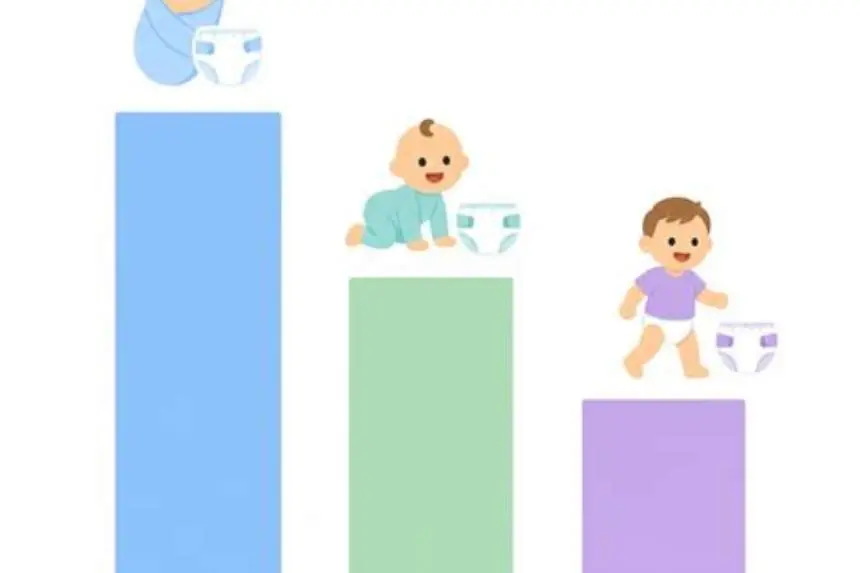
Infant needs change fast. Use narrow age brackets to get better estimates. Below are sample ranges built from diaper-change guidance and parenting surveys. Treat these as starting points, not exact counts.
0 to 3 months. Expect 8 to 12 diaper changes per day. Use 3 to 6 wipes per change for bowel movements that are frequent and loose. That yields about 24 to 72 wipes per day. For a 30 day month, that equals 720 to 2160 wipes. This wide range reflects how variable neonatal stools can be. We cover caring for cloth wipes in its own article.
3 to 6 months. Diaper frequency often drops to 6 to 10 changes per day as stool patterns stabilize. Use 2 to 5 wipes per change depending on stool consistency. Daily wipe totals fall roughly between 12 and 50. Monthly estimates run about 360 to 1500 wipes.
6 to 12 months. Many babies move toward 5 to 8 diaper changes a day as solids increase and stools firm. Expect 2 to 4 wipes per change. That gives 10 to 32 wipes daily, or 300 to 960 wipes monthly.
12 months and older. Diaper counts and wipe needs usually drop more as potty training begins. Typical use might be 5 or fewer changes a day and 1 to 3 wipes per change. Daily totals often sit under 20 wipes and monthly needs under 600, depending on training pace.
These ranges are broad because feeding, health, and diaper type change needs significantly. Use the tracking method to refine estimates for your baby.
How feeding method affects wipe use
Breastfed infants often have more frequent and softer stools in early months. That raises wipes per change and total wipes per day.
Formula-fed infants can have firmer stools. That sometimes means fewer wipes per change. The difference narrows as solids start.
Babies who nurse frequently during growth spurts may have short-term increases in bowel movements and wipes use. Track during those weeks and adjust your stock.
If a baby has food sensitivities after solids begin, expect changes in stool frequency and messiness. That can raise wipes use until digestion stabilizes.

Health, illness, and skin conditions that change wipe totals
Diarrhea can raise wipes use dramatically. Parents often report twofold increases during acute gastroenteritis.
Diaper rash can lead parents to wipe more thoroughly and more often. Using gentle wipes and barrier cream reduces repeated scrubbing.
Antibiotic courses sometimes change stool consistency and frequency. Track closely during and after a course to adjust supply.
If a baby has sensitive skin, parents often switch to more, gentler wipes and use extra wipes to avoid rubbing. That raises total consumption.
Diaper type and cleaning method
Disposable diapers and cloth diapers drive different wipe patterns. Cloth users often use fewer disposable wipes or prefer water and cloth for cleaning.
Parents using reusable cloth wipes may launder them for multiple uses. That lowers disposable wipe counts per change.
Disposable brands vary in sheet strength and size. Stronger, larger sheets sometimes mean fewer wipes used per change. Test a pack to see how many sheets you actually use.
Wipe-anywhere habits such as wiping hands, face, or surfaces increase total daily use. Note non-diaper uses when tracking to get an accurate supply number.
Putting the estimates into practice
Run the seven-day count and get your daily average. Multiply by 30 and add 10% for a monthly buffer.
If your daily average sits near the top of a sample age range, buy larger bulk packs to save money and prevent shortages.
If you prefer a brand with sensitive-skin ingredients, test one pack and measure use. Sensitive wipes can cost more and last differently.
Recount every two months. Changes in feeding, solids, illness, or training alter needs. Frequent checks keep your estimate accurate and prevent waste.
| Age bracket | Sample changes/day | Sample wipes/change | Sample daily range | Sample monthly range |
|---|---|---|---|---|
| 0-3 months | 8-12 | 3-6 | 24-72 | 720-2160 |
| 3-6 months | 6-10 | 2-5 | 12-50 | 360-1500 |
| 6-12 months | 5-8 | 2-4 | 10-32 | 300-960 |
| 12+ months | 3-6 | 1-3 | 3-18 | 90-540 |
Sources and how reliable these estimates are
These estimates combine diapering guidance from the American Academy of Pediatrics and patterns reported in parent survey data. The AAP offers diapering and rash-prevention guidance that informs change frequency. Parenting surveys provide real-world averages for diaper changes and cleaning habits.
No large, peer-reviewed study pins a single wipes-per-day number for all babies. That means numbers here are practical estimates. Use the seven-day tracking method for your child to get precise supply needs.
If your baby has medical needs, consult your pediatrician. A clinician can recommend cleaning frequency and wipes suitable for sensitive skin or specific conditions.
Sources cited: American Academy of Pediatrics infant care guidance, Centers for Disease Control and Prevention diaper rash and illness pages, and parenting survey reports such as BabyCenter or What to Expect for diapering patterns.
Questions people still ask
How do I know which estimate applies to my baby?
Track diaper changes and wipes for seven days. Average the daily totals and multiply by 30. Add 10% for unexpected needs.
Will a breastfed baby always use more wipes?
Not always. Breastfed infants often have softer stools early on, which can raise wipes per change. Patterns usually change with solids.
Can cloth diapering eliminate disposable wipe needs?
Cloth diapering lowers disposable wipe use. Many cloth users clean with water and cloth or use reusable cloth wipes. Total disposable wipes then drops.
How should illness change my planning?
Expect higher use during diarrhea or stomach bugs. Plan extra wipes and check with your pediatrician about hydration and care.
Are some wipes better for frequent use?
Wipes labeled for sensitive skin with minimal additives reduce irritation for frequent use. Test a small pack first and watch skin response.