How to bathe a baby safely: neck support, bath seats, and sink tips
Support your baby's neck firmly using your hand or a soft bath support during the bath. Use bath seats or supports designed to keep baby secure. When bathing in a sink, ensure water is 98-100°F and support the head carefully to prevent slipping.
On this page (8 sections)
- What matters most
- How to support a baby's neck during bath time
- How to use Angelcare bath seats safely
- How to use bath supports for baby
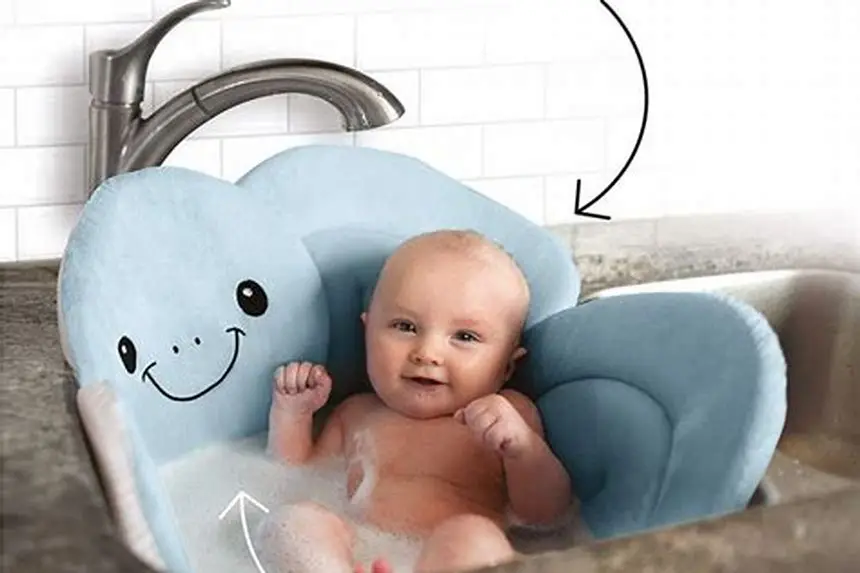
- How to bathe a baby safely in the sink without a tub
- Choosing and using a bath kneeler for parents with bad knees
- How to bathe a baby safely with neck support, bath seats, and sink tips
- Questions people still ask
Part of our guide on shampoos for sensitive skin
The numbers
- Water temperature
- 98-100°F
- Bath duration
- 5-10 minutes
- Typical bath water depth
- 2-3 inches
- Neck support
- Essential at all times
- Bath kneeler thickness
- 1-2 inches
What matters most
- Always support baby's neck and head with your hand or a proper bath support.
- Bath water temperature should be around 98-100°F to avoid burns or chills.
- Bath seats like Angelcare help keep babies safe but never replace supervision.
- Sink bathing suits small spaces but needs firm support and proper water depth.
- Parents with knee pain benefit from bath kneelers or padded supports for comfort.
How to support a baby's neck during bath time
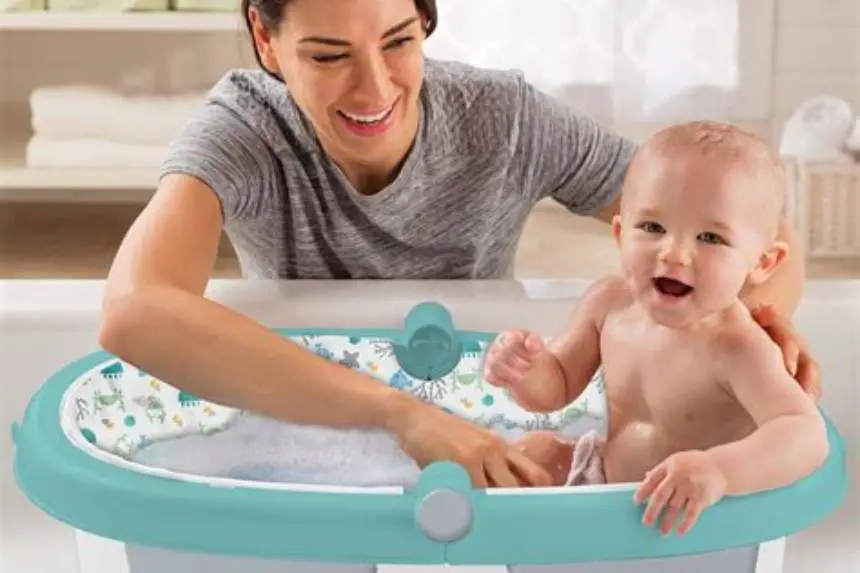
Your baby's neck muscles are not strong enough to hold up their head for several months. During a bath, you need to support the neck continuously. Use your forearm or hand to cradle the neck and head while the other hand washes the baby. This keeps the neck aligned and prevents sudden movements that could cause discomfort or injury.
The baby's head should be slightly tilted back to keep water away from the nose and mouth. Avoid overextending the neck or bending it forward. A soft, shaped bath support can help maintain proper neck position, especially if you are bathing the baby alone or need to free one hand.
Neck support depends on the baby's age and muscle development. For newborns up to 3 months, firm support is critical. Older babies may need less support but still benefit from it. Always observe your baby’s reactions and adjust how tightly you hold the neck to avoid strain.
How to use Angelcare bath seats safely
Angelcare bath seats are designed to support babies who can sit unassisted, generally from about 5-6 months old. The seat cradles the baby at a reclined angle with open areas for water flow and drainage to prevent water accumulation. Always check the weight limit specified by the manufacturer, usually around 25 pounds. We cover fitting baby bath tubs in limited space in its own article.
Position the seat in a small tub or sink filled with 2-3 inches of warm water (98-100°F). Place the baby in the seat, ensuring they are secure but not forced into position. Use one hand to steady the baby while washing with the other, as the seat does not replace your supervision or hands-on support.
After use, clean and dry the seat thoroughly to prevent mold growth. Inspect the suction cups or grips regularly to ensure they remain strong and the seat does not slip. Replace the seat if any cracks or damage appear to maintain safety.
- Good for babies who can sit up
- Allows some hands-free washing
- Lightweight and portable
- Drainage holes prevent water pooling
- Not suitable for newborns
- Requires supervision at all times
- Suction cups can weaken with wear
- Limited to recommended weight limit

DAR DAROUXIAO Baby Bath Thermometer for Tub,Floating Digital Water
No accuracy figure within 1°F in 90-110°F range is published to confirm safe bath water temperature.
How to use bath supports for baby
Bath supports are foam or mesh inserts that cradle newborns and young infants in a bath or sink. They provide a non-slip surface and hold the baby in a semi-reclined position, helping to keep the head and neck supported without constant manual holding. If that sounds like your situation, read up on safe home temperature monitoring next.
Place the bath support in the tub or sink with 2-3 inches of warm water (98-100°F). Lay your baby in the support gently, making sure the head rests on the raised end designed for neck support. Always keep one hand on your baby to prevent slipping or tipping, especially during washing.
Bath supports are helpful for parents who bathe babies alone or have limited mobility. They reduce the effort needed to hold the baby securely, but should never replace supervision. Check that the material dries quickly and does not retain mold or mildew, replacing it if necessary.
How to bathe a baby safely in the sink without a tub
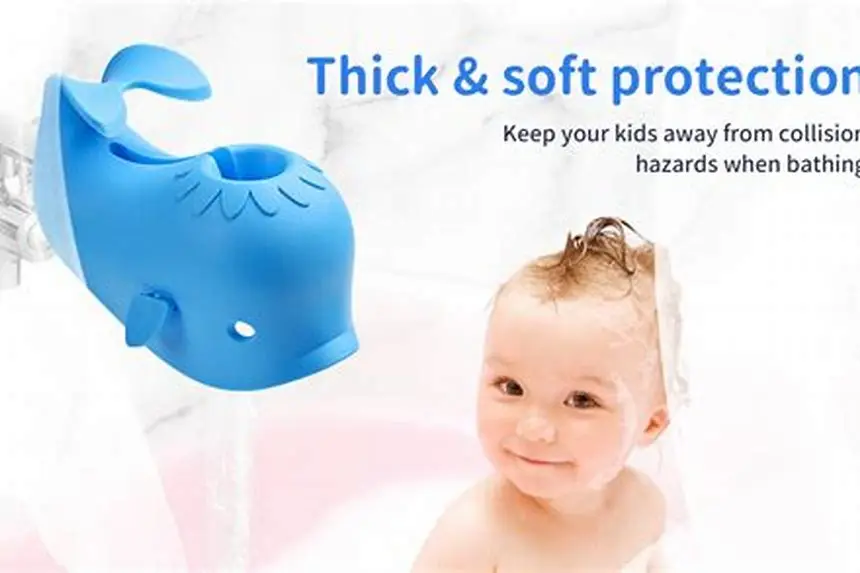
Many parents use a clean kitchen or bathroom sink to bathe newborns due to size and convenience. The water should be 98-100°F, measured with a bath thermometer to avoid burns or chills. Fill the sink with 2-3 inches of water: enough to wash without risk of drowning or excessive slipping. Before you commit to anything, it is worth looking at choosing the right faucet cover.
Use one arm to support the baby's neck and head firmly, cradling from behind, while the other hand washes. Avoid slippery soaps or shampoos around the sink edges and keep a non-slip towel or mat in the sink to provide grip. Never leave the baby unattended, even for a moment.
After washing, lift the baby carefully with both hands supporting head and neck. Rinse with a cup or your hand, then wrap the baby in a warm towel immediately to prevent chilling. Sink bathing works best for newborns up to about 3 months, before transitioning to a larger tub or seat.
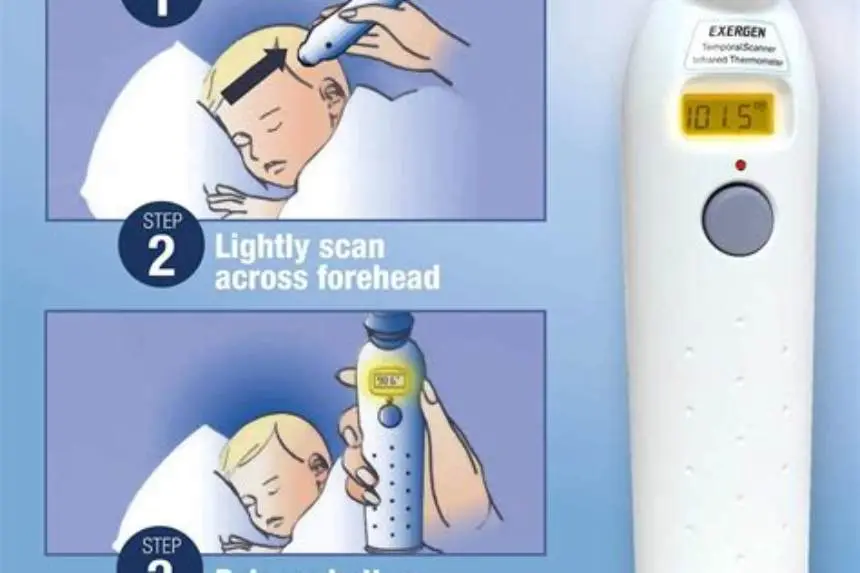
- Check water temperature with a bath thermometer, aiming for 98-100°F.
- Fill sink with 2-3 inches of water, ensuring it covers baby's body but not face.
- Place a non-slip mat or towel inside the sink for grip.
- Support baby's head and neck with one arm, cradle securely.
- Use the free hand to wash gently with mild baby soap.
- Rinse baby carefully with a cup or hand.
- Lift baby out with both hands supporting neck and head.
- Wrap baby in warm towel immediately after bath.
Choosing and using a bath kneeler for parents with bad knees
Bath kneelers are padded cushions that protect your knees while you lean over a bathtub or low sink to bathe your baby. Thickness typically ranges from 1 to 2 inches and covers a small footprint to avoid slipping. They reduce knee pain for parents with arthritis, injuries, or mobility challenges. The other half of this decision is disinfecting wipes safe for baby.
Place the kneeler on the bathroom floor next to the tub before bathing your baby. Choose a kneeler with non-slip backing to prevent sliding on wet floors. Avoid foam that compresses too much or absorbs water, which can lose support and become unsanitary.
If kneeling is not possible, parents can use a sturdy stool or chair at a proper height to reduce strain. Combined with a bath support or seat for baby, this setup makes bathing safer and less exhausting for all involved.
How to bathe a baby safely with neck support, bath seats, and sink tips
Bathing a baby safely requires constant neck support, proper water temperature, and secure positioning. Use your hand or a bath support to cradle your baby's head and neck at all times. Bath seats like Angelcare offer stability for sitting babies but never replace your hands-on care.
If space is tight, bathing a baby in the sink is feasible but demands thorough preparation: 98-100°F water, 2-3 inches depth, non-slip surfaces, and firm neck support. Parents with knee issues should use a bath kneeler or stool to ease discomfort during the process.
By combining these measures (neck support, appropriate bath seats or supports, and ergonomic aids) you reduce risks of slipping, chilling, or injury. Always supervise your baby closely and adjust your methods to your specific home space and physical needs.
| Method | Age Suitability | Support Needed | Space Requirement | Parent Comfort |
|---|---|---|---|---|
| Bath Seat (Angelcare) | From sitting age (~5 months) | Seat + hands | Medium | Moderate |
| Bath Support | Newborn to 3 months | Support + hand | Small | Good |
| Sink Bath | Newborn to 3 months | Hand support essential | Very small | Varies by setup |
| Standard Tub | All ages | Hand + seat/support | Large | Varies |
Questions people still ask
How do I know the water is the right temperature for my baby's bath?
Use a bath thermometer to check water temperature, aiming for 98-100°F. If you don't have a thermometer, test with your wrist or elbow: they should feel warm, not hot or cold.
Can a bath seat replace holding my baby during bath time?
No. Bath seats provide stability but do not eliminate the need to support your baby’s head and neck and to supervise constantly during the bath.
Is it safe to bathe a baby in the kitchen sink?
Yes, if you fill the sink with 2-3 inches of water at the correct temperature and support your baby’s neck firmly. Never leave the baby unattended.
When can my baby sit safely in a bath seat?
Generally, when your baby can sit unassisted, around 5-6 months old, and fits within the seat’s weight limit, usually about 25 pounds.
What if I have knee problems but need to bathe my baby at the tub?
Using a padded bath kneeler with non-slip backing helps protect your knees. A kneeler with at least 1 inch of firm padding and water resistance is best.