Will a Doona infant car seat fit and be allowed on your airplane seat?
The Doona infant car seat is FAA approved for airplane use, but acceptance varies by airline. Always check your airline's specific policies before flying, as some permit installation on airplane seats, while others may not allow it at all.
On this page (7 sections)
- What matters most
- Is the Doona infant car seat FAA approved for airplane use?
- Which airlines accept the Doona car seat onboard?
- How to install the Doona car seat on an airplane seat
- Do you need extra inserts or adjustments for newborns on planes?
- What to check in the Doona manual about flying with it
- Questions people still ask
Part of our guide on gb pockit air stroller airline weight limit
The numbers
- FAA approved
- Yes
- Weight limit
- 4-35 lbs
- Rear-facing use
- Required on plane
- Airline policies
- Varies widely
- Extra inserts needed
- Sometimes
- Installation
- Seat belt only
What matters most
- Doona car seat meets FAA child restraint system standards for air travel.
- Most major US airlines accept the Doona onboard but verify with your carrier first.
- Install the Doona rear-facing using the airplane seat belt per the manual.
- Newborns may need extra head support inserts when flying with the Doona.
- Confirm airline policies about car seats before booking your ticket.
Is the Doona infant car seat FAA approved for airplane use?
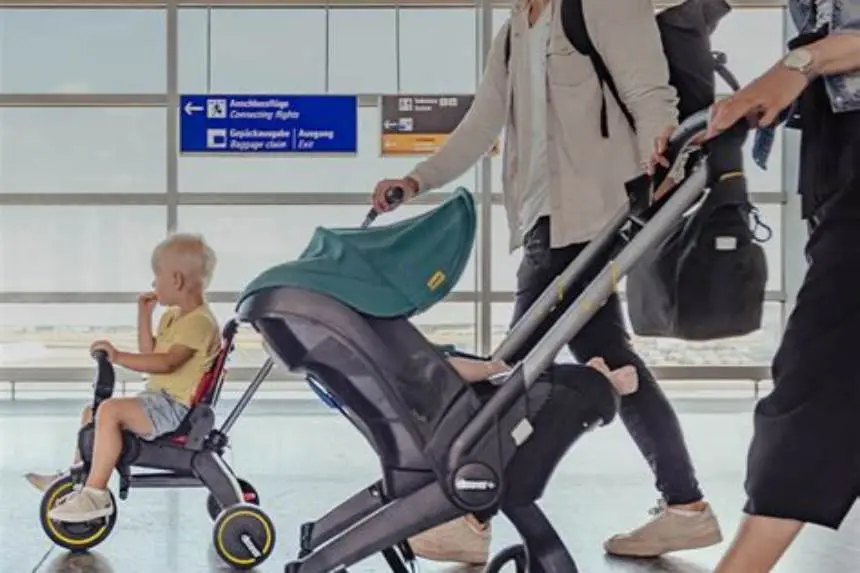
The Doona infant car seat has been tested and meets FAA requirements as an approved child restraint system for use on aircraft seats.
Its weight range of 4 to 35 pounds and rear-facing design align with FAA standards for infant car seats during flights.
FAA approval means you can use the Doona on the plane seat if the airline allows it, but approval alone does not guarantee acceptance by every airline.
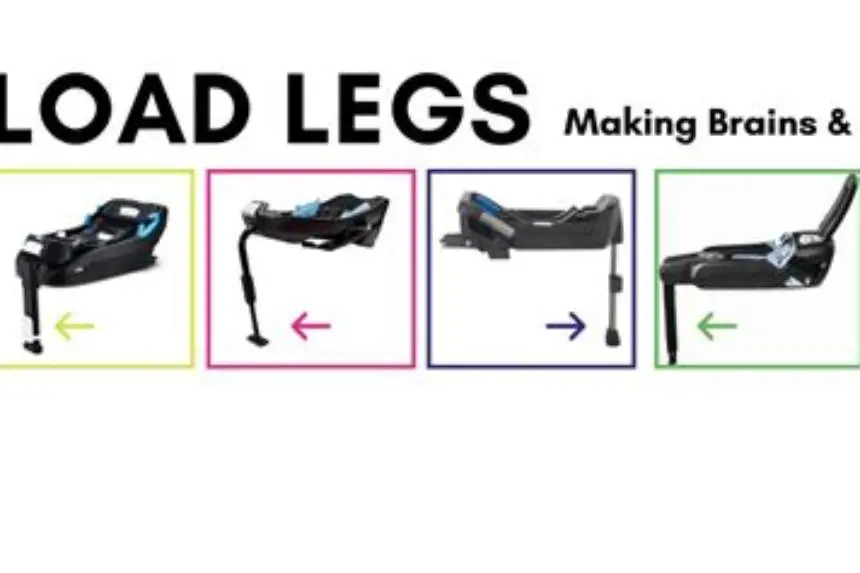
FAA approval covers a specific set of tests, including crash simulations and secure attachment during turbulence. The Doona passed these tests based on its design and materials, which combine the car seat and stroller frame into one unit. This integration is unique among FAA-approved infant seats. Before you commit to anything, it is worth looking at what is a load leg.
Note that FAA approval only applies to use in forward-facing or rear-facing configurations as specified. The Doona is only approved rear-facing, so do not try to use it forward-facing on a plane seat. Using it otherwise could lead to rejection by airline staff or unsafe conditions.
Which airlines accept the Doona car seat onboard?
Many US airlines such as Delta, United, and American Airlines accept the Doona infant car seat in the cabin when installed properly.
Acceptance varies by carrier and sometimes by aircraft type, so always confirm directly with the airline before your flight.
Airlines usually require the seat to be installed using the airplane seat belt and may have rules about the seat's dimensions fitting in economy seats.
Regional and international airlines have different policies. For example, Air Canada and British Airways accept the Doona car seat onboard when properly installed, but some low-cost carriers do not allow any car seats at all due to cabin space limitations.
Some airlines set limits on car seat width or weight for installation in economy class. The Doona's width of about 17 inches fits most seats but can be too wide for some narrow economy seats on smaller planes.
Airlines may also restrict the use of car seats in emergency exit rows. Confirm if your seat assignment allows a car seat. If not, you will need to choose another seat or check the Doona as luggage.
| Airline | Accepts Doona? | Installation Requirements | Notes |
|---|---|---|---|
| Delta | Yes | Use airplane seat belt, rear-facing | Confirm seat width fits aircraft |
| United | Yes | Seat belt installation, rear-facing | Check aircraft seat size |
| American Airlines | Yes | Seat belt only, rear-facing | Verify in advance |
| Southwest | Varies | Seat belt, rear-facing | Call customer service |
| JetBlue | Yes | Seat belt, rear-facing | May require gate check |
How to install the Doona car seat on an airplane seat
Install the Doona rear-facing, as its design and FAA approval specify rear-facing use for infant safety.
Use the airplane seat belt to secure the Doona’s base tightly against the airplane seat back.
Make sure the seatbelt passes through the correct belt path marked on the car seat; the Doona manual illustrates this clearly.
Avoid using the LATCH system in airplanes, as it is not compatible or allowed for aircraft seats.
Perform a tightness check by pushing the seat side to side; it should not move more than 1 inch.
After installation, confirm the seatbelt is locked by pulling firmly on the belt buckle. An unlocked belt can loosen during flight, putting your baby at risk.
Check that the Doona’s handle is fully locked in the upright position while installed on the plane seat. This keeps the car seat stable and ready for quick removal after landing.
If your airplane seat has limited space, angle the seat slightly if possible to ensure the Doona fits securely without pressing against the tray table or armrests. This reduces the risk of pressure points on the seatbelt and improves comfort.
- Place the Doona rear-facing on the airplane seat.
- Thread the airplane seat belt through the rear-facing belt path on the Doona base.
- Buckle the seat belt and pull tight to remove slack.
- Check that the car seat does not move more than 1 inch side to side.
- Make sure the harness is snug on your baby before the plane moves.
Do you need extra inserts or adjustments for newborns on planes?
The Doona is designed for infants starting at 4 pounds, but flying can be uncomfortable for newborns without support.
Many parents add extra head and neck inserts, especially for babies under 10 pounds, to prevent their heads from falling forward during sleep.
Some airlines allow extra in-flight accessories, but confirm these follow FAA rules and don’t interfere with the seat belt installation.
Use only inserts approved for use with the Doona or those recommended by the manufacturer to maintain safety.
Newborns have less neck control, so the recommended inserts help keep their head centered and supported during sleep and turbulence.
Avoid bulky blankets or clothing that could affect the proper harness fit inside the Doona. The harness should lie flat and snug against your baby’s body to work correctly.
If your baby is very small or premature, consult your pediatrician before flying with the Doona. They might suggest additional support or a different approved car seat better suited for low birth weight.
What to check in the Doona manual about flying with it
The Doona manual offers detailed instructions on airplane installation, weight limits, and FAA approval status.
Check your manual's latest edition for any updates related to air travel; manufacturers sometimes post addendums online.
Look for warnings about stroller wheel position, which must be locked and retracted during flight installation.
Manuals remind you not to use the Doona as a car seat on the plane if your airline prohibits this, so verifying airline policy is crucial.
Also, check emergency exit row rules, as children under 40 pounds usually cannot sit there with a car seat.
The manual advises against using the Doona's stroller mode during flight, as wheels must be locked and retracted to avoid injury or damage.
Check the manual for instructions on cleaning and storage after air travel, as airplane environments may expose the Doona to dirt or moisture.
Make sure to read any airline-specific addendums the manufacturer posts online. These often contain helpful tips based on recent airline policy changes or customer experiences.
Questions people still ask
Can I check the Doona car seat instead of bringing it onboard?
Yes, you can check the Doona stroller/car seat combo, but it risks damage and eliminates in-cabin infant safety. Bring it onboard if your airline allows.
Is the Doona car seat too wide for airplane seats?
The Doona measures about 17 inches wide, fitting most economy seats but some smaller seats might be tight. Measure your airline’s seat width before flying.
Can I use the Doona car seat on the plane if my baby is under 4 pounds?
No, the Doona's minimum weight is 4 pounds. For smaller infants, consider alternative FAA-approved infant car seats designed for lower weights.
Do I need to buy a separate FAA-approved car seat for flying if I have the Doona?
Not if the Doona is FAA-approved and accepted by your airline. Confirm airline policy to avoid surprises at the gate.
Can I use the Doona in an exit row on an airplane?
Children under 40 pounds, including infants in car seats, are generally prohibited from exit row seats due to safety regulations.