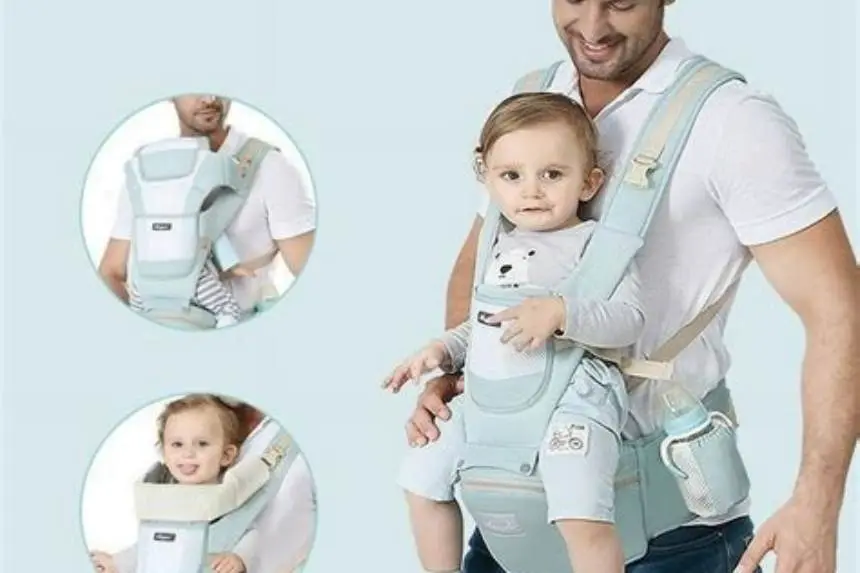
Which baby carriers safely support front and back facing by baby age
Babies can generally face backward in carriers from birth to about 6 months and 12-16 pounds, while facing forward safely starts around 5-7 months or when the baby can hold their head steadily, typically over 15 pounds. Always follow carrier weight limits and developmental signs.
On this page (8 sections)
- What matters most
- At what age and weight can a baby safely face forward in a carrier?
- When is back facing recommended or required?
- What developmental or safety considerations affect front vs back carrying?
- How to choose a carrier that supports both front and back facing safely
- Which baby carriers safely support front and back facing by baby age
- Steps to safely transition from back facing to front facing carrying
- Questions people still ask
Part of our guide on fit advice for average height
The numbers
- Back facing start
- 0 months
- Back facing age limit
- 4-6 months
- Back facing weight limit
- 12-16 lbs
- Front facing start
- 5-7 months
- Front facing weight minimum
- 15 lbs
- Carrier must support
- both positions
- Key developmental sign
- steady head control
What matters most
- Back facing is safest for newborns until about 6 months or 16 pounds
- Front facing is suitable when baby can hold head steady, usually after 5 months
- Choose carriers that specify support for both positions with clear weight limits
- Comfort and spinal support vary with baby age and position
- Developmental milestones are as important as weight for safe facing
At what age and weight can a baby safely face forward in a carrier?
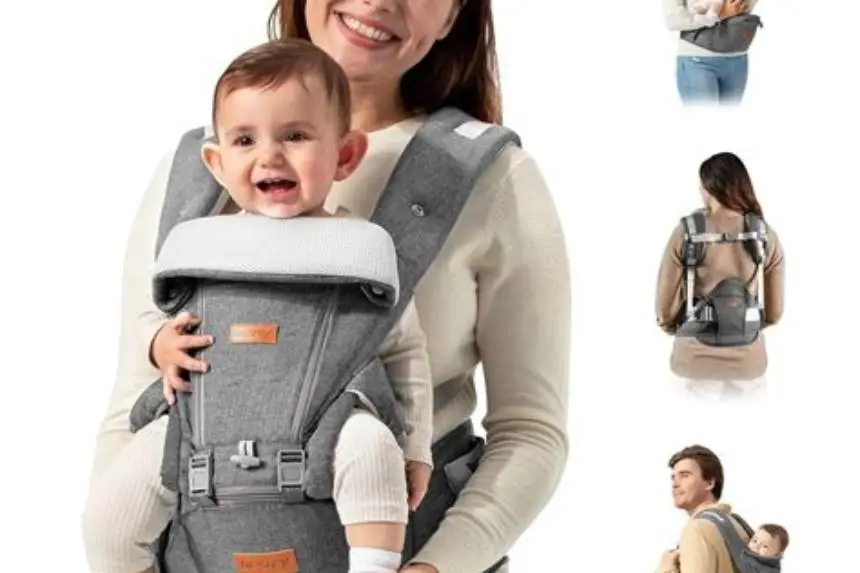
Babies should begin facing forward in a carrier only after they can hold their head up steadily without support, usually between 5 and 7 months old. This milestone is more important than exact age because lack of neck control risks spinal injury.
Weight guidelines for front-facing vary by carrier, but most require baby to weigh at least 15 pounds (lbs). Some carriers have upper weight limits around 25-30 pounds for front facing.
Because front facing exposes the baby to more stimuli, babies not ready may become overstimulated or uncomfortable. Wait for the combination of steady head control and appropriate weight.
Check your carrier’s manual for its tested weight and age limits for front facing to ensure safety and comfort. We cover is infantino flip 4-in-1 safe for front facing out in its own article.
| Age (months) | Weight (lbs) | Head Control Needed |
|---|---|---|
| 5-7 | 15+ | Yes, steady |
| 4 | 12-14 | Usually no |
| 8-12 | 20-25 | Yes |
When is back facing recommended or required?
Back facing is recommended from birth up to about 4-6 months of age or until baby reaches 12-16 pounds (lbs), depending on the carrier. This position supports the baby’s head, neck, and spine safely during early development.
Most infant carriers are designed primarily for back facing, offering better ergonomic support and protecting the airway. The newborn’s spine is naturally curved, and back facing respects this.
Beyond 6 months or the carrier’s weight limit, back facing may be uncomfortable or no longer supported. At that point, switching to front facing may be appropriate if the baby meets developmental criteria. For the detail, see our notes on 4 month old baby front facing safety.
Certain carriers classify back facing as the only safe position for newborns up to their minimum front-facing age and weight.
| Age (months) | Weight (lbs) |
|---|---|
| 0-2 | 0-10 |
| 3-4 | 10-14 |
| 5-6 | 14-16 |

Beurer BY80 Digital Baby Scale
Accurately measures baby weight up to 44 lbs in pounds, kilograms, or ounces for safe carrier use
What developmental or safety considerations affect front vs back carrying?
Head and neck control is the most critical developmental factor limiting front facing. Babies lacking this support risk injury when facing forward due to gravity and sudden movements.
Spinal development matters: newborn spines are curved (C-shaped), so back facing aligns with natural posture. Front facing requires a straighter spine, which develops later. We go through can baby carrier be used from birth step by step elsewhere on the site.
Airway safety differs: front facing babies may flex their necks forward, risking airway obstruction if not positioned properly. Back facing avoids this risk by keeping the infant’s face visible and airway open.
Behavioral factors include overstimulation. Front facing exposes babies to more sights and sounds, which can be overwhelming before 6 months.
Many safety organizations recommend back facing until at least 6 months; however, some modern carriers meet standards to safely support front facing after that.
- Head control: steady neck muscles required for front facing
- Spine alignment: C-curve suited to back facing early on
- Airway: easier to monitor and safer back facing
- Stimulus exposure: front facing can overload younger babies
How to choose a carrier that supports both front and back facing safely
Look for carriers that clearly state tested weight and age limits for both front and back facing positions. The limits often differ, with back facing allowed from birth and front facing starting later.
Carriers with ergonomic inserts or adjustable support panels help newborns maintain proper posture in back facing and transition safely to front facing.
Adjustability of straps and seat width is important. It ensures the baby's hips are supported in the ‘M’ position, which reduces hip dysplasia risk in both positions.
Verify the manufacturer's compliance with safety standards such as the ASTM F2236 for soft carriers or similar US consumer product safety standards.
Try carriers in person if possible to test fit on the parent’s body size, since comfort affects how long you can safely carry your baby.
- Weight and age limits: must cover newborn to toddler ranges
- Ergonomic design: supports spine and hips in both positions
- Adjustability: fits baby growth and parent body size
- Safety certification: check for ASTM or CPSC standards
Which baby carriers safely support front and back facing by baby age
Carriers that support both front and back facing typically allow back facing from birth to at least 16 pounds (lbs) and front facing from 15-18 pounds onward. Designs often include removable infant inserts and adjustable seats.
Soft structured carriers (SSCs) and some hybrid wraps offer easy switching between positions while maintaining ergonomic support. Mei Tais and wraps may require additional inserts for newborn support.
Always consult the carrier’s manual for explicit front and back facing instructions, weight limits, and age ranges. Some carriers allow front facing only for short periods or with limited weights.
Test your baby’s comfort and positioning regularly; signs that a carrier no longer supports proper posture include slouching or pressure points.
| Carrier Type | Back Facing Age Range | Front Facing Start Age | Weight Range (lbs) |
|---|---|---|---|
| Soft Structured Carrier | 0-6 months | 5-7 months | 7-35 |
| Wrap Carrier with Insert | 0-6 months | 6+ months | 8-30 |
| Mei Tai Carrier | 0-5 months | 5-7 months | 7-25 |
| Ring Sling | 0+ months | Varies | 7-25 |
Steps to safely transition from back facing to front facing carrying
Transitioning to front facing demands observing your baby's developmental readiness and carrier limits carefully. Skipping steps risks injury or discomfort.
Wait until your baby shows steady head control, can sit unsupported briefly, and meets the carrier’s minimum front facing weight. Rushing is unsafe.
Adjust the carrier seat width for front facing to maintain proper hip positioning. A narrow seat can cause hip stress.
Test short front facing sessions at first, watching your baby’s reactions and posture. If baby fusses or slouches, revert to back facing.
Follow this sequence to transition methodically.
- Confirm baby is at least 5 months old and weighs 15 pounds or more.
- Check the carrier’s manual for front facing minimums and adjust seat accordingly.
- Secure the baby in the carrier with proper leg and back support.
- Carry baby facing forward for short periods, observing comfort.
- Increase front facing duration gradually if baby tolerates well.
Questions people still ask
Can I face my newborn forward in a baby carrier?
No. Newborns lack the neck strength to safely face forward. Back facing protects the airway and supports their spine until about 5-7 months when head control develops.
What if my baby resists back facing in the carrier?
Babies may resist due to overstimulation or discomfort. Ensure the carrier fits correctly and try calming techniques. If resistance persists after developmental milestones, consider a safe transition to front facing.
Are all carriers safe for front facing?
No. Only carriers explicitly tested and labeled for front facing at certain ages and weights should be used. Always follow manufacturer instructions.
How can I check if my baby has steady head control?
Place your baby on your chest upright and gently release support. If they can hold their head steady for several seconds without wobbling, they likely have sufficient control.
Is front facing better for baby interaction?
While front facing lets babies see the world, it can cause overstimulation and improper spine alignment if done too early. Back facing offers safer posture in early months.