Cooler bag in a 90°F car: how long bottles stay cold
A baby bottle cooler in a 90°F car usually holds cold bottles for 2-4 hours if you pre-chill the bag, the bottles and the ice packs, and pack at least 1:1 ice pack volume to bottle volume. One gel pack covers a 20-minute errand. It won't cover a four-hour outing, and a cooler parked in a hot car all afternoon fails.
On this page (10 sections)
- What matters most
- What sets the clock for a baby bottle cooler for 90 degree car
- Why a trunk cooler dies faster than a seat cooler
- How much ice one gel pack really covers
- Pre-chilling buys more time than extra packs
- What the liquid inside changes
- Checking the bottles without opening the bag
- When the ice melts before you arrive
- Who this cooler setup does not solve
- Questions people still ask
The numbers
- Typical cold hold
- 2-4 hours, pre-chilled
- Ice to bottle volume
- 1:1 or better
- Pre-chill time
- 30-60 minutes
- One gel pack covers
- About 20 minutes
- Safe bottle range
- Below 40°F, or above 52°F
- Trunk vs cabin
- Trunk runs hotter in sun
What matters most
- Pre-chill everything for 30-60 minutes before you pack, and you buy real time
- Match ice to bottles at 1:1 volume or better for a multi-hour trip
- A trunk runs hotter than a cabin, so the same cooler lasts less time there
- Check with a thermometer, not by touching the bag
- No cooler solves a parked-car afternoon or a day with no refreeze
What sets the clock for a baby bottle cooler for 90 degree car
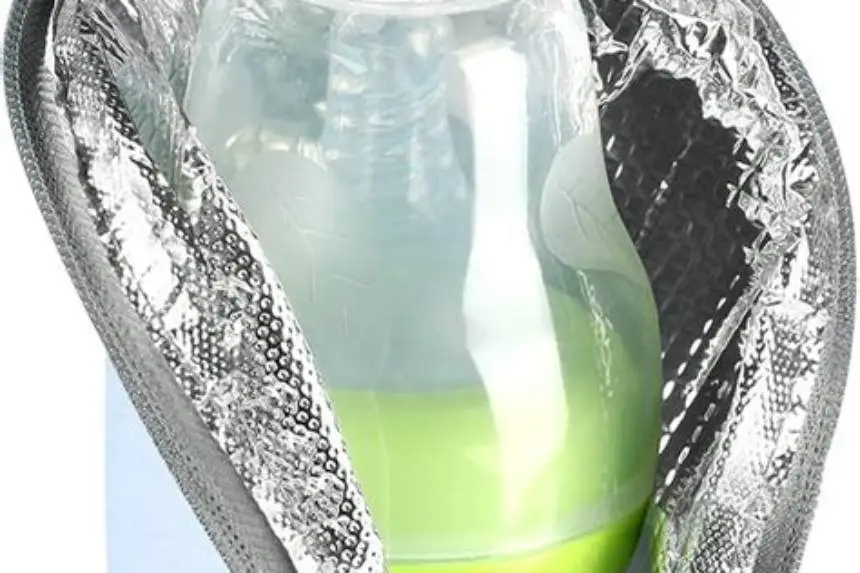
The outside 90°F air sets the pace. Ice mass, starting temperature, insulation, and sunlight decide how long cooling lasts. Heat crosses the bag wall until the ice absorbs it and melts.
More ice mass buys time. A thin bag lets heat cross faster. A warm bottle uses cooling capacity before the ice can hold the target temperature.
Use this order: starting temperature, ice mass, wall thickness, ambient heat. Change one factor, and the time changes. Test your setup with fridge-cold water, ice packs, and a parked 90°F car.
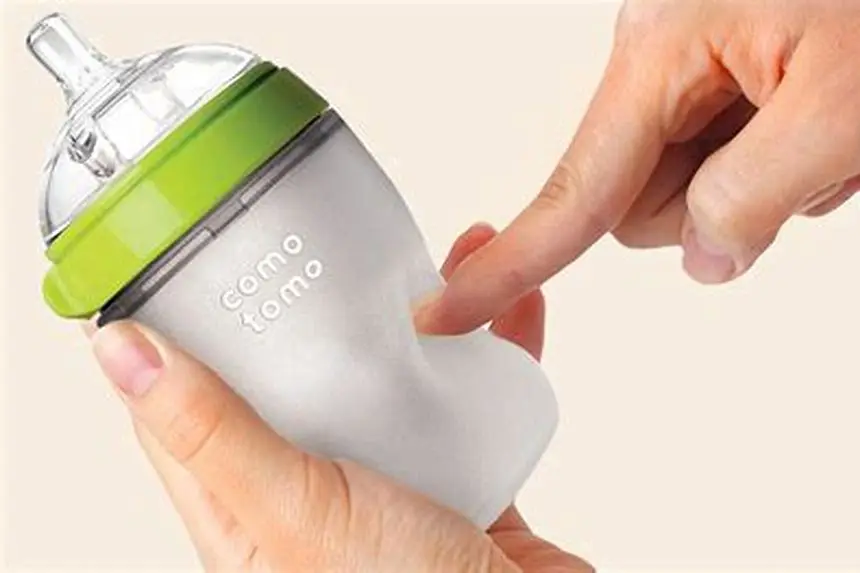
Check the bag after one hour with a thermometer. If the water is already warm, more ice won't rescue insulation that is too thin. People in this spot often ask about cleaning comotomo baby bottles as well.
- Ice mass: the largest lever you control
- Bottle starting temperature: free to fix, often skipped
- Bag wall thickness: fixed after purchase
- Outside air: set by the car interior and sun
Why a trunk cooler dies faster than a seat cooler
A trunk and a back seat in the same car can sit at different temperatures on the same afternoon. A trunk has less airflow, fewer windows, and often a dark interior that absorbs sun. A cabin has glass, vents, and the airflow you get while driving. A cooler in a hot trunk sees a higher outside temperature than the same cooler on the back seat.
The difference matters because heat transfer scales with the temperature gap. A bag holding bottles at 38°F in a 90°F trunk has a 52°F difference to push against. In an air-conditioned cabin at 75°F, that gap shrinks to 37°F. Less heat crosses the wall each hour, so the ice lasts longer.
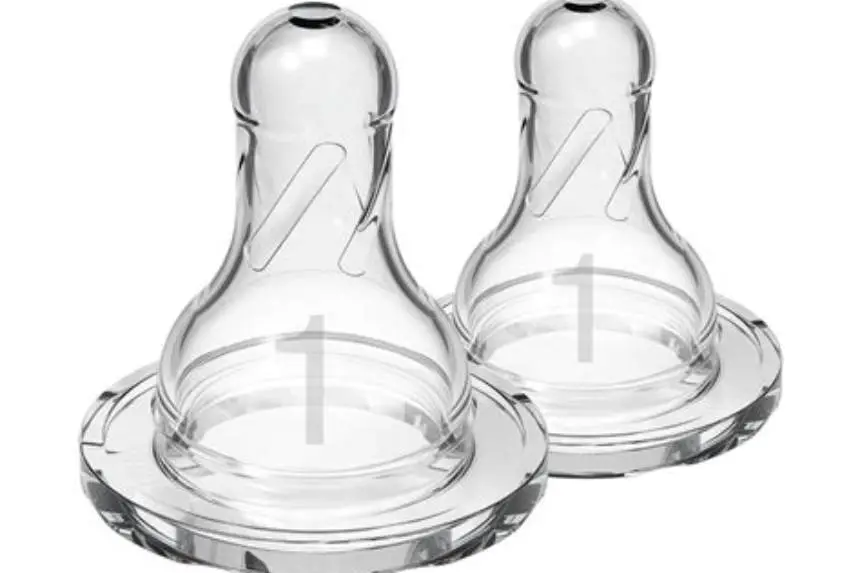
Trunk heat also climbs through the day. A car parked facing west in open sun can climb well past 90°F inside without anyone noticing. The cabin number in your weather app is the outside temperature, not the temperature your trunk reaches. People in this spot often ask about slow flow baby bottle nipple for breastfed newborn as well.
Keep the cooler out of direct sun if you can. A seat position under a window or in the footwell of the cabin, out of the sunbeam, beats the trunk every time. If the trunk is your only option, treat the trip as the hotter environment and add ice.
| Position | Typical conditions | What it means for the ice |
|---|---|---|
| Cabin, air-conditioned | Around 70-75°F while driving | Longest hold of any spot in the car |
| Cabin, parked in sun | Climbs past 90°F | Treat it like the trunk |
| Trunk, parked in sun | Highest interior temperature | Shortest hold, add ice or shorten the trip |
- Cabin position keeps the cooler below trunk temperatures
- Vents help move heat away from the bag
- A cabin left in sun still climbs past 90°F
- Parked cars gain heat fastest in the first hour
How much ice one gel pack really covers
One gel pack handles a 20-minute errand when the bottles start cold and the bag is reasonable. That is the short answer. For anything longer, the pack-to-bottle ratio decides the outcome, and the ratio is measured in volume.
A workable starting rule is one part ice pack volume to one part bottle volume. A 120 ml bottle needs roughly 120 ml of frozen pack, so two standard gel packs cover it. Four small bottles need four packs. For a four-hour outing with no refreeze available, you want the ice volume to exceed the bottle volume, and you want frozen water bottles counted as part of that total. Before you commit to anything, it is worth looking at features that suit baby's age.
Frozen water bottles are worth considering for longer trips. They do the same job as gel packs and you can drink them if they thaw. The trade-off is space. They take more room in the bag than a flat gel pack, and they are less flexible about fitting around a bottle.
The cost of getting this wrong is warm formula. A bag with one gel pack for four bottles on a three-hour trip will still have cold bottles at the two-hour mark. The last two hours are where the trouble starts, and that is usually when the baby is hungriest.
Before you buy, check one thing: the pack's stated volume in ounces or milliliters, and the bottle's stated volume. Multiply the pack volume by the number of packs. Compare that to total bottle volume. This is the arithmetic sellers rarely print for you. There is more on keeping baby cool in stroller in a separate guide.
| Trip length | Bottle volume | Ice pack volume needed | What to pack |
|---|---|---|---|
| 20 minutes | 120 ml | About 120 ml | 1 gel pack, pre-chilled |
| 2 hours | 240 ml, two bottles | About 240 ml | 2 gel packs, pre-chilled |
| 4 hours | 240 ml, two bottles | 480 ml or more | 4 gel packs or frozen bottles |
Pre-chilling buys more time than extra packs
Pre-chill the bag and bottles for 30-60 minutes. A room-temperature bag starts warm and competes with the ice. A fridge-cold bag takes less heat from the packs.
Start formula or breast milk near refrigerator temperature, roughly 40°F. Milk warmed to body temperature consumes cooling capacity before the trip even begins.
Lay the bag flat in the fridge the night before. Chill the filled bottles too. Load them with frozen packs, then close the lid immediately.
A frozen soft-sided bag adds cold mass. Freeze gel packs flat against the bottles, so air gaps don't waste capacity. Check freezer space before relying on this method.
- Lay the cooler bag flat in the refrigerator for 30-60 minutes
- Fill the bottles and chill them to refrigerator temperature
- Freeze the gel packs flat against the bottles
- Load the bag last, close it immediately, and keep it out of sun
What the liquid inside changes
The starting temperature differs by milk type, and the difference changes how long the bag holds safe temperature. Breast milk arrives at body temperature when freshly expressed, often near 100-102°F, though stored milk is usually refrigerator cold. Prepared formula is usually mixed with water from the tap or a kettle, which lands somewhere between warm and very hot depending on what you used.
Ready-to-feed bottles come pre-sealed and already refrigerated in most cases. That makes them the easiest option for a hot car, because they start at roughly refrigerator temperature and you never handle warm water near the car.
The safety threshold matters more than the flavor. The guidance used in infant feeding is that prepared or handled milk should be used within about 2 hours at room temperature, and within about 1 hour once feeding begins, with refrigerated leftovers used within 24 hours. A cooler does not extend the safe window beyond what a refrigerator does. It slows the warming.
That distinction is the one parents miss. Cold is not the same as safe indefinitely. A cooler holds a bottle inside the safe temperature range for hours, then the bottle leaves that range while the ice may still be melting. If the trip runs past the window, you need a plan for the milk, not just a bigger pack.
Read the label on your specific formula. Some ready-to-feed products carry their own guidance, and that guidance wins over anything here.
| Milk type | Usual starting point | Effect on the ice |
|---|---|---|
| Freshly expressed breast milk | Near body temperature, about 100°F | Uses ice capacity fast, pre-chill it |
| Stored breast milk | Refrigerator temperature, about 40°F | Close to a pre-chilled bottle |
| Prepared formula | Often warm to hot | Pre-chill before packing |
| Ready-to-feed bottle | Refrigerated, about 40°F | Easiest to keep cold |
Checking the bottles without opening the bag
Open the bag as little as possible. Each opening lets warm air inside. Make one check at the moment you need the bottle, rather than peeking throughout the trip.
Use a thermometer, not your hand. A cool-feeling bottle can exceed the safe range. Check formula or breast milk with an instant-read thermometer. Aim for below 40°F or above 52°F, the range used in most infant feeding guidance.
A clear lid or mesh pocket lets you inspect bottles without unzipping. An external thermometer readout gives you the bag's air temperature without opening it.
Place a data logger inside before leaving. Read it afterward to see how long the cold held. That record gives your own car a useful packing rule.
- Put a thermometer probe inside before closing the bag
- Keep the bag closed and out of direct sun
- Open it once when you need the bottle
- Read the temperature, replace the bottle, and close the lid
- Note the time so you know how long it stayed cold
When the ice melts before you arrive
If the packs are fully melted and the bottles are still warm, you have a feeding decision to make, not a gear decision. First, do not rely on the smell or taste of the milk to judge safety. Smell is not a thermometer and it will not tell you reliably whether milk is safe.
Check the temperature of the bottle itself. If it reads above 52°F, most guidance says discard it rather than cool it back down. If it reads below 40°F, it is cold enough to use. If it lands between 40°F and 52°F, treat that as the gray zone the guidance warns about, and use the shortest time guidance you have from your pediatrician or the formula label.
Your fallback is another bottle. Carrying one spare ready-to-feed bottle in a separate small insulated pouch with its own small pack costs you very little space and settles the problem. That spare is the reason a long day can still work.
If no spare exists and the bottle is warm, the honest answer is that you cannot fix it with the gear you have. That is the point of this section. A cooler is a delay, not a guarantee, and the purchase that solves the problem is carrying a backup.
Do not leave a warm bottle in the bag hoping the ice will somehow get it back down. A fully melted pack has no cold left to give, and the bottle will sit at ambient temperature for the rest of the trip.
Who this cooler setup does not solve
Some situations defeat any cooler bag, and buying one anyway wastes your money. The clearest example is a cooler left in a parked car all afternoon. A 90°F day with no refreeze option means the ice melts long before you return, and the bottles warm to car temperature.
Long days without a refrigerator are the second problem. A twelve-hour outing, a family visit in a heatwave, or an outdoor event where the cooler sits in the sun will exceed what any reasonable bag holds. If you cannot get cold storage at your destination, the answer is more packs and more trips, not one bigger bag.
A third limit is the trip itself. A cooler helps for the ride and a short wait. It does not help with the twenty minutes at the beach with no shade, where the sun load on a dark car body adds to the ambient heat. Shade and a shorter parking time do more than a better bag.
One more honest word on the products themselves. Soft-sided bags with thin foam walls and no zipper insulation lose ground against a hard-sided cooler with a thicker wall, and they lose it faster in a hot trunk. If your trips run past two hours in a parked car, the hard-sided cooler is the better buy, and the soft bag is the wrong one.
The right purchase depends on your own trip length and parking time, not on the marketing. Work through the arithmetic below with your own numbers, then buy the bag that clears your line.
| Situation | Does a cooler bag work? | What to do instead |
|---|---|---|
| 20-minute errand | Yes, one gel pack | Pre-chill, keep out of sun |
| 2-hour trip with a spare | Yes, 2-3 packs | Carry one backup bottle |
| 4-hour outing, no refreeze | Marginal | Ice volume above bottle volume |
| Parked all afternoon | No | Remove the cooler or expect warm bottles |
| 12-hour day, no fridge | No | Plan refreeze points or ready-to-feed bottles |
- Soft-sided bags fold flat and fit beside a car seat
- Hard-sided coolers hold temperature longer in a hot trunk
- Soft thin-wall bags lose cold fastest in a parked car
- More ice still fails when the trip outlasts the ice
A pre-chilled soft-sided cooler bag with ice volume at least equal to bottle volume handles a 20-minute to 2-hour errand in a 90°F car. It does not handle a parked afternoon.
Questions people still ask
How long do baby bottles stay cold in a 90°F car?
With a pre-chilled bag, cold bottles and 1:1 ice-to-bottle volume, expect roughly 2-4 hours in a 90°F cabin. A trunk in direct sun will run shorter. Check with a thermometer rather than trusting a time, because bag thickness and starting temperature move the number a lot.
Is one gel pack enough for a short errand?
Yes for a 20-minute errand if the bottles start at refrigerator temperature and the bag is pre-chilled. For anything past an hour, add a second pack or count a frozen water bottle toward the total ice volume.
Can I keep bottles cold in the car with a cooler and no ice?
No. A bag without ice is only insulation, and in a 90°F car it slows warming briefly rather than holding cold. It works as a short buffer on the way to a refrigerator, not as a storage method.
Do I need to wash the cooler bag before using it for bottles?
Wash and fully dry it first if it has held food, formula or anything damp. Residual warmth and moisture encourage growth in the lining, and a damp lining also works against your ice. Air it out overnight with the lid open.
Should I put the cooler in the trunk or the back seat?
The back seat in an air-conditioned cabin wins, because it stays cooler than the trunk and gets airflow. If you must use the trunk, treat it as the hotter environment, add ice, and keep the bag out of direct sun.
What if my baby needs a bottle and every bottle is warm?
Carry one spare ready-to-feed bottle in a small separate pouch with its own small pack. If no spare exists and the bottle reads above 52°F, most guidance says discard it. Cooler capacity cannot replace a backup bottle.