Will an anti-rebound bar fit my car seat base? How to check
An anti-rebound bar fits only specific car seat bases designed for it; check manufacturer compatibility, attachment points, and clearance to verify fit before purchase or installation.
On this page (8 sections)
- What matters most
- What an anti-rebound bar is
- How anti-rebound bars attach to car seat bases
- Which types of car seat bases accept anti-rebound bars
- How to verify compatibility for your car seat base
- Differences between anti-rebound bars and load legs
- Will an anti-rebound bar fit my car seat base
- Questions people still ask
Part of our guide on rear facing car seat with base
The numbers
- Compatibility
- Model-specific
- Attachment
- Dedicated brackets
- Clearance needed
- Varies by car model
- Safety standard
- FMVSS 213 compliance
- Alternatives
- Load legs
What matters most
- Anti-rebound bars attach to bases with specific connectors or brackets.
- Not all car seat bases accept anti-rebound bars; check your base specs.
- Compatibility depends on model design and vehicle seat shape.
- Confirm fit by measuring clearance and referring to manufacturer guidance.
- Anti-rebound bars differ from load legs in function and fit requirements.
What an anti-rebound bar is
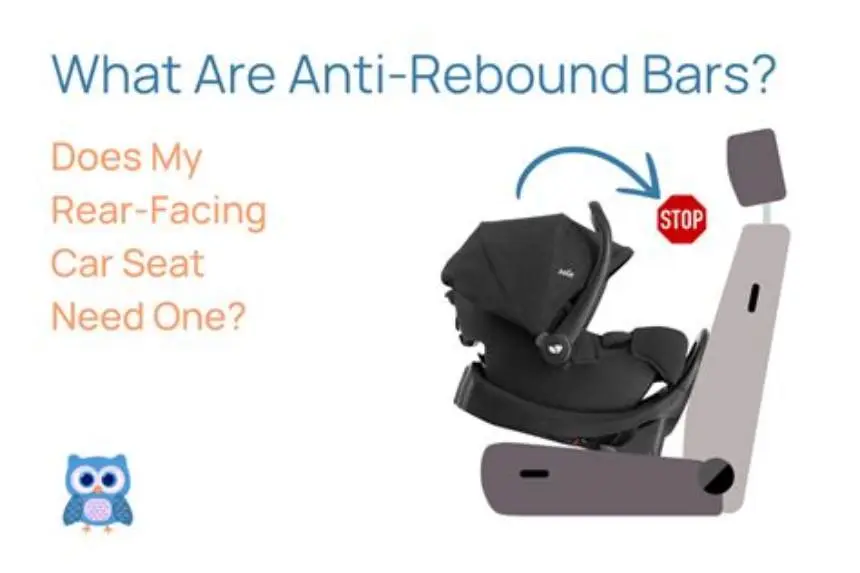
An anti-rebound bar is a rigid brace that mounts to a rear-facing car seat base to limit the base’s rotation and rearward rebound in a crash. It transfers some of the rebound forces from the seat shell into the vehicle structure (usually the vehicle floor or the seatback) so the shell pivots less and the child’s head and neck move less during a severe event.
Manufacturers make bars from steel or reinforced polymer. Some models are fixed-length and bolt or clip directly to the base; others are telescoping or adjust in discrete steps. Whether the bar bears on the vehicle floor or the rear seatback depends on the car seat design and the vehicle geometry, so the bar must be installed exactly as the car seat manual describes to work as intended.
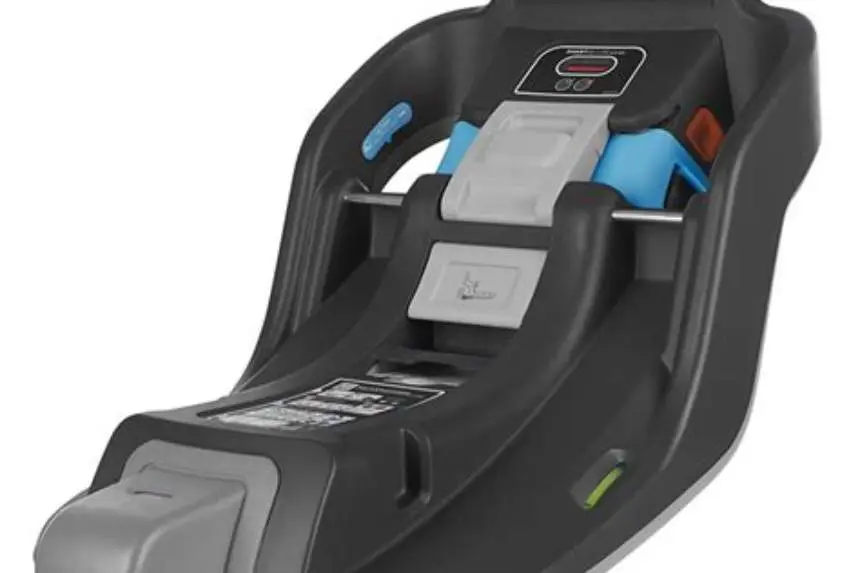
Do not rely on a memory of how bars look on other seats. Mounting points and attachment methods differ: some bases have a visible keyed slot at the front or underside where the bar snaps in; others use threaded inserts at the base’s forward face; a few models require the bar to slide into guides on the base’s rear skirt. Check for labelled slots, plastic covers that lift off, or metal threads visible beneath the base. If in doubt, place the base on a flat surface and examine the forward and underside edges for matching hardware or printed instructions.
Clearance matters. Most car seat manuals and installation guides state the anti-rebound bar must make solid contact with the floor or seatback and give a usable clearance range for vehicle fit. Typical guidance across common models falls roughly between 0 (direct contact) and about 50 mm of allowable gap when the base is compressed into vehicle upholstery; a few longer bars or adapters used on larger shells allow up to 100 mm. These are general ranges: for example, consult your car seat manual and vehicle owner’s manual - brands such as Britax, Graco and Chicco list specific clearance or contact requirements for each base and bar in their installation sections. Before you commit to anything, it is worth looking at what is a load leg.
After installation, perform a hands-on check: push the installed seat forward and rearward by hand, then press the car seat’s crown forward to verify the bar is firmly braced. Visual checks for interference are essential: ensure the bar does not hit seat rails, under-seat storage, or electrical connectors. If the bar cannot sit flat or the specified clearance in the manual cannot be achieved, do not use the bar; contact the manufacturer or a certified restraint technician for alternatives.
How anti-rebound bars attach to car seat bases
Anti-rebound bars usually attach to the car seat base via dedicated brackets or integrated mounting points. These can be clips, hooks, or bolt-on fixtures designed specifically for a particular base model.
The attachment must align precisely with the base’s frame to function properly. The bar then extends forward to brace against the vehicle floor or seatback, depending on the seat design. The other half of this decision is 70 lb dresser anti-tip straps.
Some bases have adjustable anti-rebound bars that accommodate different vehicle interiors by changing length or angle, but this is model-specific.
In some car seat systems, the anti-rebound bar is designed to lock into place with a tactile click, providing audible and physical confirmation of correct installation. This feature is useful to reassure caregivers that the bar is properly secured without guesswork.
Some manufacturers offer optional extension pieces or adapters for their anti-rebound bars to accommodate different vehicle interiors. For example, a bar may extend from 10 to 14 inches in length to fit both small sedans and larger SUVs. However, these extensions must only be used if explicitly approved for the specific car seat base model, as improper length can compromise the bar’s function. The other half of this decision is middle seat fit for chicco keyfit.
Which types of car seat bases accept anti-rebound bars
Only some rear-facing car seat bases support anti-rebound bars. These include certain models from manufacturers that design their bases with anti-rebound bar brackets and clearance for the bar’s contact point.
Bases designed for use with load legs instead generally do not accept anti-rebound bars. The two systems serve similar purposes but are structurally different and incompatible.
Compatibility depends on how the base interfaces with the vehicle floor or seatback, the available space, and the car seat’s safety rating to FMVSS 213 or equivalent. For the detail, see our notes on Mesa base for Outback.
Compatibility also depends on the car seat base’s certification and compliance with safety standards like FMVSS 213 in the United States or UN ECE R44 or R129 in Europe. Bases certified to these standards often specify whether an anti-rebound bar is approved for use, and which models are compatible.
For example, bases designed for infants typically have lower profiles and may more commonly support anti-rebound bars, while toddler bases designed for extended rear-facing use might favor load legs for superior stability. Always verify the certification and compatibility markings on the base itself or in the product documentation.
How to verify compatibility for your car seat base
Check your car seat base manufacturer’s manual and website for a list of compatible anti-rebound bars or accessories. This is the most reliable first step.
Physically inspect your base for mounting points or brackets designed for an anti-rebound bar. Absence of dedicated brackets usually means no compatibility.
Measure the clearance between the base and vehicle seatback or floor to ensure the bar can fit without obstruction. The bar’s contact point requires firm, unobstructed contact to work correctly.
If uncertain, contact the manufacturer’s customer support with your base model number and vehicle details to confirm compatibility.
The one tool that helps best at this stage is a tape measure with at least 0.5 inch precision.
When measuring clearance for the anti-rebound bar, also check for any protrusions such as seat belts, buckles, or vehicle seat adjustment levers that could obstruct the bar’s full contact with the floor or seatback. Even small gaps or tilting of the bar can reduce its effectiveness in a crash.
If your vehicle has adjustable rear seats with reclining features, test the anti-rebound bar fit across different seat positions. The bar should maintain firm contact in all common seating positions to ensure consistent protection.
A practical check after installation is to gently rock the car seat base forward and backward while observing the anti-rebound bar. There should be minimal play or movement in the bar; any looseness indicates that the bar may not be fully engaged or compatible.
- Locate the model number on your car seat base.
- Consult the manufacturer’s compatibility list online or in the manual.
- Look for anti-rebound bar brackets on the base.
- Measure space between base and vehicle seatback/floor.
- Contact manufacturer support if unclear.
Differences between anti-rebound bars and load legs
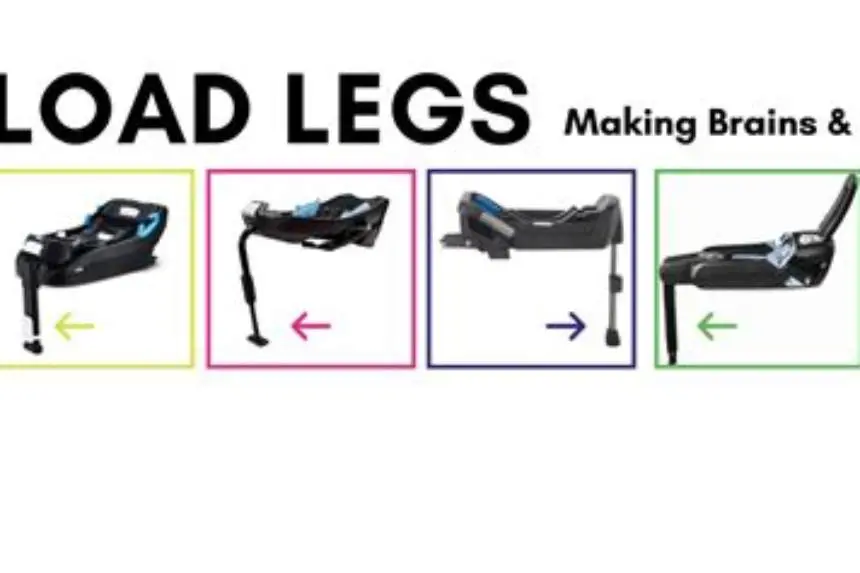
Anti-rebound bars and load legs both limit car seat rotation in a crash but work differently. The anti-rebound bar braces horizontally against the vehicle floor or seatback, while a load leg extends vertically from the car seat base to the floor.
Load legs often require a flat floor and enough clearance for the leg to rest securely. Anti-rebound bars need space to brace against the seatback or floor and dedicated attachment points on the base.
Some car seats offer one or the other, rarely both, because their installation and structural demands conflict.
Choosing between them is usually not optional; you must follow the manufacturer’s design and installation instructions, which prioritize safety and tested compatibility.
| Feature | Anti-Rebound Bar | Load Leg |
|---|---|---|
| Function | Limits rebound rotation by bracing horizontally | Limits rotation by vertical support |
| Attachment | Dedicated brackets on car seat base | Extends from base to floor |
| Space requirement | Clearance from seatback or floor needed | Flat floor space required |
| Compatibility | Model and base-specific | Model and base-specific, often alternative to bars |
Will an anti-rebound bar fit my car seat base
To answer whether an anti-rebound bar will fit your car seat base depends on the base’s design and manufacturer guidance.
First, identify your car seat base model and review the manufacturer’s documentation or website for anti-rebound bar compatibility.
Second, confirm the base has the required mounting points or brackets for attaching the anti-rebound bar.
Third, ensure your vehicle provides enough clearance between the base and the seatback or floor for the bar to brace correctly, typically a few inches of space.
If any of these conditions fail, the anti-rebound bar will not fit properly and could reduce safety rather than enhance it.
If your base lacks compatibility, the only reliable option is to purchase the exact anti-rebound bar specified by the car seat brand or consider alternatives like a load leg if supported.
Measure the clearance with a tape measure of at least 0.5 inch precision to verify the space needed for the bar, which is often around 2-4 inches depending on your model.
In some cases, car seat manufacturers offer retrofit kits or updated anti-rebound bars compatible with older base models. Check the manufacturer’s website or contact support to see if such upgrades are available, which can extend the usability and safety of your existing car seat base.
If you plan to switch vehicles, verify that the anti-rebound bar is compatible with the new vehicle’s rear seat configuration. Compatibility can vary significantly between car models due to differences in seat geometry and floor height.
A worked example: if your car seat base specifies an anti-rebound bar clearance of 3 inches between the base and seatback, measure with a tape measure to confirm this space exists. For instance, if you measure 2.5 inches, the bar will not fit properly, and you should consider a different base or safety accessory instead.
Questions people still ask
Can I add an anti-rebound bar to any car seat base?
No. Only bases with specific mounting points designed by the manufacturer accept anti-rebound bars. Adding one to an incompatible base can reduce safety.
How do I know if my car seat base uses a load leg instead?
Check the base’s manual or manufacturer website. Load legs extend vertically to the floor, while anti-rebound bars brace horizontally and attach differently.
Is an anti-rebound bar better than a load leg?
They both serve to limit rotation but differ based on car seat design and vehicle compatibility. Neither is universally better; follow manufacturer instructions.
What if my vehicle seatback is too close to fit the anti-rebound bar?
Without enough clearance, the anti-rebound bar cannot brace properly, making installation unsafe. You may need a different car seat base or safety device.
Are aftermarket anti-rebound bars safe to use?
Aftermarket bars are not recommended unless explicitly approved by your car seat manufacturer. Using unapproved bars can void warranties and compromise safety.