Is a white-noise machine too loud for a newborn and how to check
Learn how to choose and safely use a white-noise machine for your newborn without exposing them to harmful sound levels.
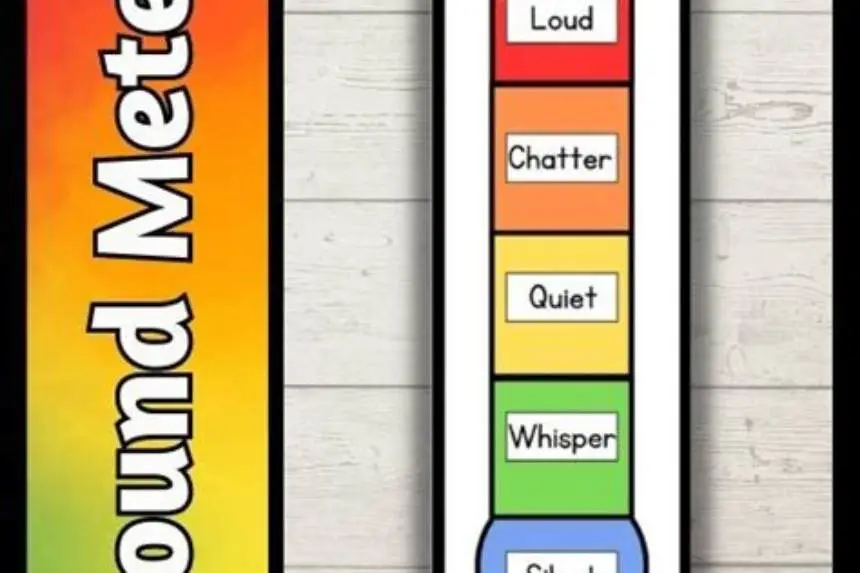
A white-noise machine should not exceed about 50-60 decibels (dB) at your newborn’s crib, matching normal conversation volume. Use a sound meter to check this, and apply timers to limit exposure during naps or night sleep.
On this page (7 sections)
- The short version
- What decibel level is safe for a newborn’s white-noise machine
- Comparing fan noise versus white-noise machines in a newborn room
- How to use a white-noise machine with a timer for newborn naps
- Choosing a portable white-noise machine for a travel crib
- Using a mini sound level meter to monitor nursery noise
- Questions people still ask
Part of our guide on co sleeper bassinet that attaches to full size bed
Knowing exactly how loud a white-noise machine is at your newborn's crib helps protect their hearing and improves sleep quality.
| Safe max volume | 50-60 dB |
|---|---|
| Typical conversation | 60 dB |
| White noise use time | Use timer recommended |
| Fan noise level | Usually 40-50 dB |
| Portable options | Widely available |
The short version
- Keep noise levels at baby’s crib below 60 dB to protect hearing.
- Use a mini sound level meter to measure nursery noise accurately.
- White-noise machines with timers help avoid continuous loud exposure.
- Fans can provide quieter, steady background noise as an alternative.
- Portable white-noise options are best for travel cribs.
What decibel level is safe for a newborn’s white-noise machine
Newborns can tolerate steady background noise around 50-60 decibels (dB) without harm, roughly the volume of normal conversation. This depends on the distance from the sound source to the baby’s ears.
Noise above 60 dB risks disturbing sleep and possibly affecting hearing if exposure is prolonged. Sound levels need to be measured at the crib, not the machine’s output rating, because distance matters.
Experts recommend keeping white noise at or below 50 dB at the infant’s location, especially for extended use during naps and nighttime. Continuous noise exposure above this level has unclear safety margins for newborn hearing.
A digital sound level meter is the only reliable way to check volume precisely. Smartphone apps often are inaccurate. Measuring in the nursery ensures the white noise machine is positioned safely and not too loud. It helps to understand duration limits for mini bassinets before going further.
Distance plays a crucial role in perceived loudness; for example, a white-noise machine emitting 60 dB at 1 meter may register around 50-55 dB at 2 meters, which is safer for a newborn. Parents should place the machine at least 1.5 to 2 meters away from the crib to reduce sound intensity effectively.
Some white-noise machines offer volume settings that range from as low as 40 dB up to 70 dB. Testing at the crib level reveals that even a setting marked 'medium' can produce 60 dB or more if the machine is too close. Measuring with a sound level meter confirms the safest setting for your specific model and environment.
Comparing fan noise versus white-noise machines in a newborn room
Fans generate natural white noise usually between 40 and 50 dB, depending on size, speed, and distance. This often makes them quieter and less harsh sounding than dedicated white-noise machines. We cover sound meter for child's room in its own article.
White-noise machines offer a consistent, controlled sound spectrum but some models emit noise above 60 dB at close range, which can be too loud for newborns without adjustment.
Fans also double as air circulators, which benefits nursery comfort. However, their noise profile varies with speed and model type, sometimes lacking the steady frequency range that helps mask sudden sounds.
Choosing between a fan and a white-noise machine depends on your nursery size, ambient noise levels, and your newborn’s sensitivity to different sounds.
For example, a mid-sized oscillating fan might produce around 45 dB at 2 meters, creating a soothing hum without sharp peaks. In contrast, some white-noise machines can emit sound levels near 65 dB at 1 meter, which is too loud for continuous newborn exposure.
If the nursery has unpredictable noises, such as street traffic or a dog barking, a white-noise machine’s consistent frequency range better masks these interruptions than a fan’s variable sound. Testing both options at your baby’s crib while monitoring noise levels helps select the quieter, more effective solution.
| Noise Source | Typical Sound Level at Crib (dB) | Additional Benefits | Considerations |
|---|---|---|---|
| Fan | 40-50 | Air circulation, cooling | Noise varies with speed; may not mask sharp sounds |
| White-noise machine | 50-60 | Consistent sound masking | Some models too loud; requires measurement |

Decibel Meter, Tadeto Digital Sound Level Meter Portable SPL Meter 30dB to
Monitors nursery noise accurately with ±2.0 dB accuracy over 30-130 dB range, suitable for newborn environment.
How to use a white-noise machine with a timer for newborn naps
Using a timer can prevent exposing your newborn to continuous noise beyond what they need. Many white-noise machines provide timers that run from 30 minutes up to 10 hours.
For naps, set the timer to run just long enough to block out initial distractions when your baby falls asleep, typically 30-60 minutes. For nighttime, many parents set it for 6-8 hours or use continuous low volume.
Automatically turning off the machine after the nap reduces the risk of excessive noise exposure and supports healthier sleep cycles.
If your device lacks a timer, consider plugging it into a simple outlet timer with programmable settings that suit your baby’s sleep schedule.
A practical example: for a 45-minute nap, setting a timer for 50 minutes allows the white-noise machine to cover the baby’s transition to sleep and initial deep sleep stages, then turn off to avoid overstimulation.
Some parents use a gradual fade-out timer where the noise volume decreases slowly over the last 10 minutes of the timer period. This helps babies adjust to quieter conditions and wake less abruptly. Checking volume levels during this fade-out ensures the lowest setting stays under 50 dB.
Choosing a portable white-noise machine for a travel crib
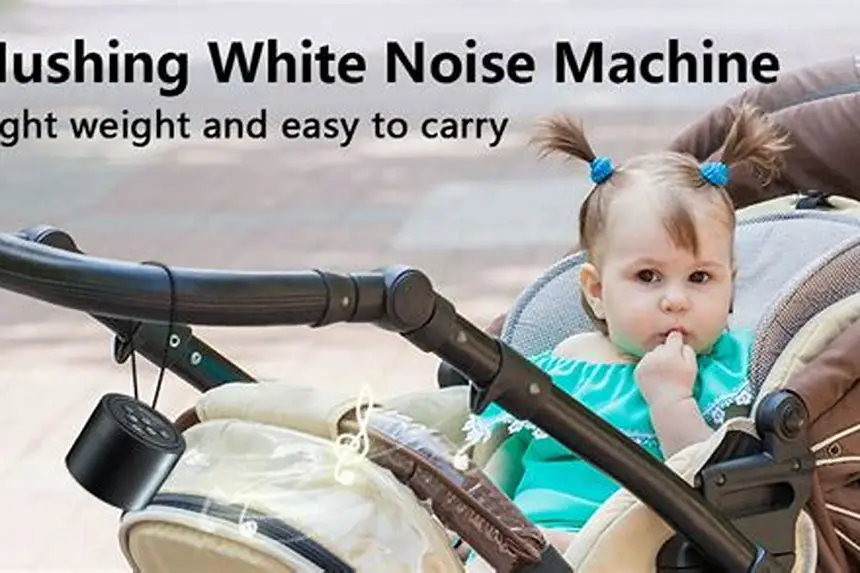
Travel white-noise machines should weigh under 1 pound (~450 g) and fit easily into a diaper bag or carry case. Battery or rechargeable power is essential to avoid dependence on outlets.
Look for models with adjustable volume that can be measured at the crib in unfamiliar environments, since hotel or relative homes can be noisier or quieter than your nursery at home.
Portability also means finding units with durable casing and simple controls, since you may set them up in low-light or hurried conditions while traveling.
Confirm the machine offers a timer or auto-off feature to avoid wasting batteries or disturbing sleep when you leave the sound on too long.
Battery life varies widely; a compact machine may run on 4 AA batteries for about 12 hours at moderate volume, whereas rechargeable models can offer 8 to 10 hours per charge. Carrying spare batteries or a charging cable ensures uninterrupted white noise on travel days.
An example: a travel model with volume options from 40 to 60 dB lets you tailor sound to noisy hotel environments versus quieter relative homes. Testing volume at the crib on arrival prevents accidental loud exposure to your newborn.
Using a mini sound level meter to monitor nursery noise
A mini sound level meter costs around $15-$50 and measures ambient noise in dB. It’s the only way to know if your white-noise machine or fan is too loud at the crib.
Place the meter at the baby’s head level, during typical white noise use conditions, and take readings over several minutes to capture average sound levels.
Adjust white noise volume or reposition the machine until readings stay between 50 and 60 dB. Avoid peaks exceeding 65 dB, which can be harmful over time.
Portable meters are small, easy to use, and invaluable when traveling or switching nursery layouts so you maintain safe noise levels consistently.
- Turn on the sound level meter and set it to measure dB
- Place it near the baby’s head in the crib
- Run the white-noise machine or fan at typical volume
- Observe reading for several minutes to check average level
- Adjust volume or position to keep below 60 dB
White-noise machines can be safe if volume is checked and limited to about 50-60 dB at the crib with timers used to avoid continuous exposure.
Questions people still ask
Can white noise harm a newborn’s hearing?
White noise kept under 60 dB is safe for newborns. Excessive volume or prolonged exposure above this level could risk hearing damage or interfere with natural sleep cycles.
Is fan noise better than a white-noise machine for newborns?
Fans usually produce quieter, more natural noise around 40-50 dB and circulate air, making them a good alternative but may not mask sudden background sounds as effectively.
How often should I check the noise level in the nursery?
Check noise levels whenever you change machines, move the white noise device, or adjust volumes. Regular checks ensure your newborn is not exposed to unsafe sound levels.
Do all white-noise machines have timers?
No, not all models include timers. If yours doesn’t, you can use an outlet timer to control usage duration and avoid continuous noise exposure.
Is it necessary to use white noise for newborn sleep?
White noise is helpful for masking household sounds and soothing babies but is not essential. Every baby differs; some sleep well without it.