Which stacking rings are safe for a 6-month-old baby to use
Learn which stacking rings are safe for 6-month-olds by focusing on size, materials, and soft teethers suitable for tiny hands.
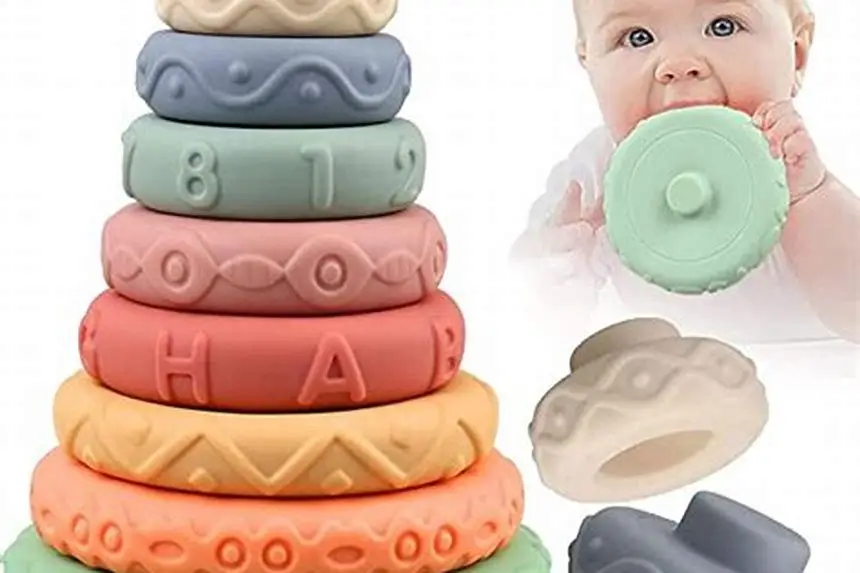
Safe stacking rings for a 6-month-old must be at least 3 inches wide and made from BPA-free, non-toxic, soft materials. Rings should have no small detachable parts and fit easily in a newborn's hand for safe teething and play.
On this page (8 sections)
- The short version
- Are stacking rings safe for 6-month-olds?
- What size and materials are best for stacking rings at 6 months?
- Which soft teethers fit newborn hands safely?
- How to verify stacking rings and teethers meet safety standards
- How to select stacking rings tailored to your baby’s needs
- Which stacking rings are safe for 6-month-old babies to use
- Questions people still ask
Part of our guide on are play mats necessary
Get clear, size- and material-based advice to pick stacking rings truly safe for your 6-month-old.
| Minimum ring diameter | 3 inches |
|---|---|
| Safe materials | BPA-free silicone, natural wood |
| Age suitability | 6 months and up |
| Safety standards | ASTM F963, CPSIA |
| Small parts risk | No detachable parts |
The short version
- Choose rings 3-4 inches wide to fit small hands.
- Look for BPA-free, soft silicone or natural wood materials.
- Avoid rings with small detachable parts or sharp edges.
- Soft teethers that fit newborn hands promote safe biting.
- Confirm stacking rings meet ASTM F963 or CPSIA safety standards.
Are stacking rings safe for 6-month-olds?
Stacking rings can be safe for a 6-month-old when they meet strict size and material criteria. The rings must be large enough (at least 3 inches in diameter) to prevent choking hazards. This size fits comfortably in a baby's grasp, reducing the risk of swallowing or inhalation.
Materials matter significantly. BPA-free plastics, natural wood, or soft silicone that do not splinter or break under pressure are essential. Rings with small parts or loose components are unsafe, as babies at this age look at objects with their mouths.
Safety certification such as ASTM F963 or CPSIA compliance provides an extra layer of assurance. However, parents should inspect toys regularly for damage or wear that might create new hazards.
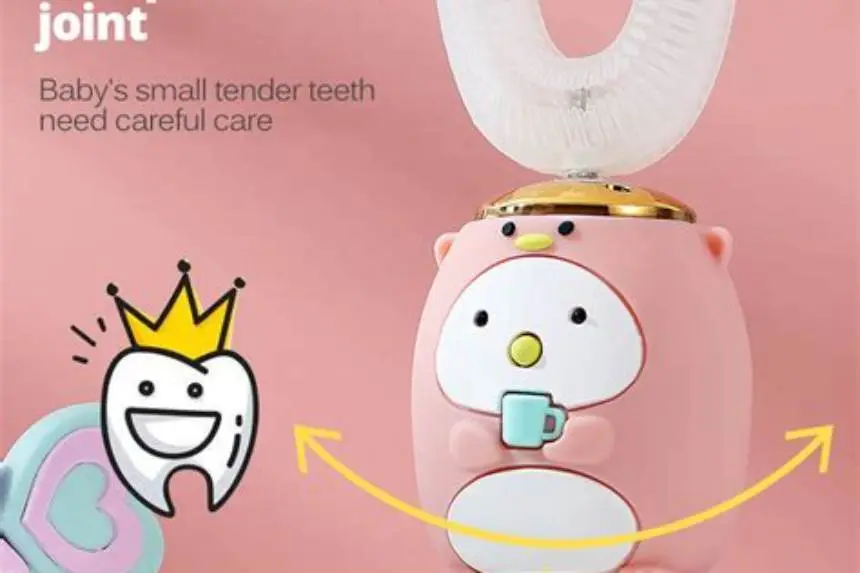
Choking hazards increase if stacking rings are too small or have loose parts. A 3-inch diameter minimum prevents rings from fitting entirely into a baby's mouth. Check this by measuring your baby's mouth opening or comparing to a standard choke tube of 1.25 inches diameter that simulates a choking risk. It helps to understand 6 month old baby electric toothbrush before going further.
Stacking rings made from natural wood need extra care. Untreated wood is safe, but splinters can appear with heavy chewing. Sand smooth surfaces regularly and discard rings showing cracks or rough edges. Some parents seal wood with food-grade oils, which maintains safety and durability.
Plastic stacking rings vary widely in quality. BPA-free labels aren’t always enough. Look for products that specify phthalate-free and PVC-free materials too. Low-quality plastics can release toxins when chewed or heated. Watch for changes in smell or stickiness, signs the plastic is degrading.
What size and materials are best for stacking rings at 6 months?
A 6-month-old baby requires stacking rings measuring 3 to 4 inches in diameter. This size supports easy grasping and safe mouthing. Rings smaller than 3 inches risk choking; larger rings can be unwieldy and less engaging.
Materials must be soft but durable. BPA-free silicone and untreated natural wood are ideal, as they do not contain harmful chemicals. Avoid hard plastics that can break or create sharp edges. Smooth finishes without paint or coatings that can peel are safer.
Some stacking rings combine these materials with soft teething textures. This dual function helps soothe gums while promoting motor skills. Confirm that materials feel safe by checking labels for FDA food-grade or baby-safe mentions.
Diameter influences not just safety but usability. Rings wider than 4 inches might overwhelm smaller hands. Babies may drop or avoid rings too large to manage. Test with your baby by offering different sizes to find a comfortable fit.
Thickness also matters. Thin rings can be easier to stack but are fragile. Thicker rings resist biting pressure but can be harder to hold. A medium thickness of about 0.5 inch balances grip and durability well.
Material textures affect sensory development. Silicone rings often have bumps or ridges to stimulate touch and soothe gums. Wood rings provide firmer resistance and a different tactile feel. Choosing a mix of textures encourages varied hand skills and oral exploration.
- Size: 3-4 inches diameter ring for safe handling
- Material: BPA-free silicone or natural wood, untreated
- Texture: Soft, smooth surfaces without paint or coatings
- Durability: Resistant to biting without cracking or splintering
Which soft teethers fit newborn hands safely?
Soft teethers that fit newborn hands generally measure between 2 and 3 inches across. They must be lightweight and easy to hold, with ergonomic shapes designed for small fingers. Look for rings or loops made from BPA-free silicone or natural rubber that are flexible and non-toxic.
These teethers often include textured surfaces that massage sore gums without breaking apart. Avoid teethers with detachable parts or holes large enough to trap fingers or tongues, which pose injury risks.
Popular soft teethers also tend to be dishwasher safe or easily sanitized, ensuring hygiene for sensitive infants. Always check that the teether’s size and softness suit your baby's developmental stage.
A good example: a soft silicone ring 2.5 inches diameter, 0.4 inch thick, with ridged bumps fits easily in a newborn’s hand. It weighs under 1 ounce, so babies can lift and chew it independently.
If a teether is too heavy or large, babies might drop it or lose interest. Some come with handles or loops to aid grip, which also keeps teethers from falling on the floor.
Check teethers after each use. Tears or cracks can trap bacteria or cause small pieces to break off. Replace teethers showing any damage to avoid choking or infections.
How to verify stacking rings and teethers meet safety standards
Look for toys compliant with ASTM F963, the US standard for toy safety, or CPSIA, which regulates lead and phthalates in children's products. These standards mandate choking hazard tests and limit toxic substances.
Packaging or descriptions should list compliance explicitly. For stacking rings, ensure no small parts detach under stress tests simulating chewing or pulling.
If such certifications are missing, contact the manufacturer for detailed safety information. Avoid products without clear safety data, especially for babies under one year.
- Find ASTM F963 or CPSIA compliance statement on packaging or product page.
- Inspect stacking rings for securely attached parts and smooth finishes.
- Confirm materials are BPA-free and non-toxic from labels.
- Check manufacturer’s website or customer service for additional safety data.
How to select stacking rings tailored to your baby’s needs
Selecting stacking rings depends on your baby’s hand size, teething activity, and developmental milestones. For a typical 6-month-old, rings should be lightweight and easy to grip to encourage motor development.
If your baby shows strong teething needs, prioritize rings with soft, chewable materials. Alternatively, if hand control is still limited, larger rings help build grasp strength.
Also consider your family’s lifestyle. If you travel often, compact and simple sets in durable materials suit better. For home play, sets with varied textures engage more senses.
Budget affects choice too. Mid-range options usually offer the best balance of safety and quality, but simpler wooden rings can be safe if untreated and smooth.
- Match ring size to your baby’s hand span (3-4 inches diameter).
- Choose soft materials for active teethers.
- Pick durable and easy-to-clean sets for on-the-go use.
- Balance cost with material safety and certification.
Which stacking rings are safe for 6-month-old babies to use
Stacking rings safe for 6-month-olds measure at least 3 inches wide with BPA-free, soft silicone or natural untreated wood. They lack small detachable parts and fit newborn hands for teething and grasping.
Soft teethers that fit newborn hands, usually 2-3 inches wide, complement stacking rings by soothing gums with textured, safe materials. Avoid hard plastics or painted surfaces to prevent choking or ingestion hazards.
Focus on products that comply with ASTM F963 or CPSIA for assured safety. Inspect toys regularly for damage, as wear can create new risks even in certified products.
| Feature | Stacking Rings | Soft Teethers |
|---|---|---|
| Size (diameter) | 3-4 inches | 2-3 inches |
| Material | BPA-free silicone, natural wood | BPA-free silicone, natural rubber |
| Safety Standard | ASTM F963, CPSIA | ASTM F963, CPSIA |
| Suitability | Motor development, grasping | Teething relief, small hand fit |
| Parts | No detachable parts | No holes or detachable parts |
Mid-sized, BPA-free silicone or natural wood stacking rings with safety certification are the best choice for 6-month-olds.
Questions people still ask
Are stacking rings safe for 6-month-old babies?
Yes, if they are large enough (minimum 3 inches), made from safe materials like BPA-free silicone or natural wood, and have no small parts that could detach. Always check for current safety standards compliance.
What size stacking rings work best for a 6-month-old?
Rings between 3 and 4 inches in diameter work best. This size fits their grasp and reduces choking risks.
Which materials are safest for stacking rings at this age?
Soft BPA-free silicone and untreated natural wood are safest. Avoid painted or coated plastics that might chip or contain toxins.
Are there soft teethers suitable for newborn hands?
Yes. Soft teethers sized 2 to 3 inches, made from BPA-free silicone or natural rubber, with ergonomic shapes, fit newborn hands safely and soothe gums.
What safety certifications should I look for?
Look for ASTM F963 and CPSIA compliance, which ensure toys meet US safety standards for young children.