Which convertible car seat fits your toddler after infant stage
A convertible car seat adapts from infant to toddler use, bridging the gap between rear-facing infant seats and booster seats for older kids.
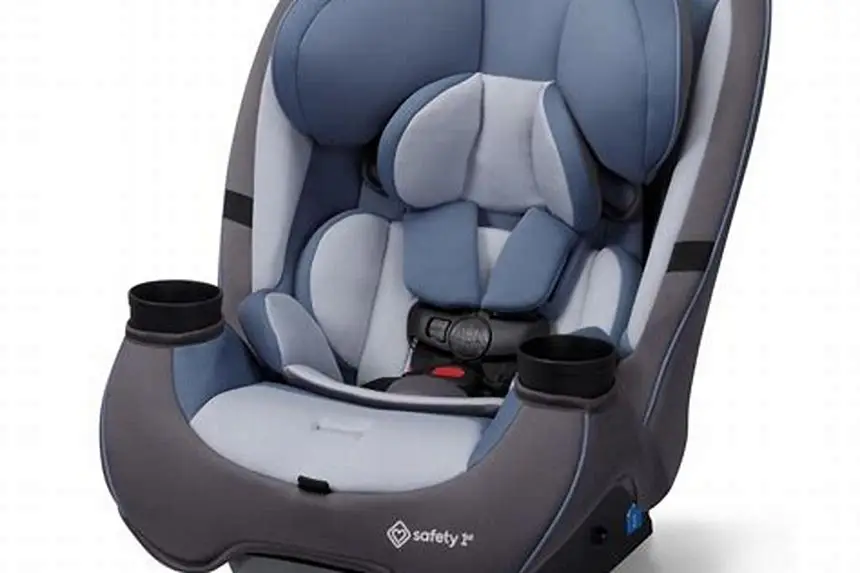
A convertible car seat is a child safety seat that adjusts for use from toddler stage up to booster seat readiness. It usually supports children from about 5 to 65 pounds or more and can switch between rear-facing and forward-facing modes.
On this page (8 sections)
- The short version
- What is a convertible car seat
- When to switch from rear-facing only toddler seats to convertible car seats
- Largest infant car seat for long rear-facing before conversion
- What is a high back booster seat with latch and how does it compare
- How to choose the right convertible car seat for twins or two children
- When does a convertible car seat become useless and what next
- Questions people still ask
Part of the guide: Which twin stroller fits two infant car seats side-by-side
Convertible car seats adapt from infant rear-facing to forward-facing toddler use and sometimes booster mode, bridging key stages safely and cost-effectively.
| Weight range | 5-65+ pounds |
|---|---|
| Age fit | infant to toddler |
| Modes | rear & forward facing |
| Booster latch | varies by model |
| Rear-facing max weight | up to 45 pounds usually |
The short version
- Convertible car seats cover toddler stages after infant-only seats.
- They usually support 5-65 pounds or higher, depending on model.
- Switch between rear-facing and forward-facing for safety transitions.
- Check your child’s height and weight limits on the specific seat.
- Not all convertible seats have latch for high back booster mode.
What is a convertible car seat
A convertible car seat fits children from toddler age through early booster seat use. It converts from rear-facing to forward-facing. This means you do not need to buy a new seat once your child outgrows an infant-only seat.
Typical weight limits for the rear-facing mode range from 5 to 40-45 pounds, depending on the model. Forward-facing mode supports children usually from 20 to 65 pounds or more. Heights are limited by the seat’s harness and shell size.
Convertible seats differ from infant-only seats by being bulkier and heavier but offering extended use. You use the seat longer, which saves money but requires a car space that fits its larger size.
Convertible car seats also vary by installation method. Some use a base like infant seats, but most install directly with the vehicle seat belt or LATCH system. The installation method affects the ease of moving the seat between cars. For the detail, see our notes on choosing the right car seat base.
Check the seat’s height limits carefully. Some convertibles allow rear-facing use up to 49 inches tall, which can support tall toddlers or preschoolers. This extends rear-facing safety beyond typical infant seats.
When to switch from rear-facing only toddler seats to convertible car seats
Some toddlers use rear-facing only seats after the infant stage. They handle children up to about 40 pounds rear-facing. Convertible car seats extend this range, often supporting rear-facing up to 45 pounds or more.
If your toddler exceeds your infant seat’s rear-facing limits but is under 40 pounds, a rear-facing only toddler seat might still be an option. However, convertible seats are more versatile for growing children. There is more on installing a secure infant seat base in a separate guide.
Switch to a convertible seat if you want to keep your child rear-facing longer or when forward-facing with a harness is needed. This suits toddlers who outgrow infant seats early or families with multiple children needing flexibility.
Switching too early to forward-facing reduces safety. Toddlers rear-facing until at least age 2 have fewer injuries. Convertible seats let you keep the child rear-facing longer, past infant seat limits.
Weight isn't the only factor to switch. If your car or seat limits rear-facing by height, you may need to switch sooner. Always follow the lower of the car seat or vehicle limits.

CRAFTSMAN Keychain Tape Measure
Measures seat width up to 72.0 inches, helping you check if two convertible seats fit side-by-side in your car
Largest infant car seat for long rear-facing before conversion
Largest infant car seats support up to 32-35 pounds rear-facing with high shell sides and extended harness height. These seats are bulkier and often have a narrower base to fit smaller cars better.
If you want to maximize rear-facing time before switching to a convertible seat, choose an infant seat with the highest height and weight limits. This avoids needing to change seats too early.
Eventually, infant seats become unusable due to height, even if weight limits remain. Convertible seats then take over for extended rear-facing safety and later forward-facing use.
What is a high back booster seat with latch and how does it compare
High back booster seats fit older children, typically from 40 to 100 pounds or more, after forward-facing harness seats become too small. They lift the child for proper seat belt fit.
Some high back boosters include LATCH anchors for secure installation. This feature varies, so check the model specifications. LATCH use on boosters is a convenience, not a safety requirement.
Compared to convertible seats, boosters do not have a harness. Your child must be mature enough to sit correctly with a seat belt. Convertible seats cover younger children needing the harness and extended rear-facing.
- Secures with vehicle seat belt
- Usually lighter and easier to install
- Some models have LATCH for stability
- No harness for restraint
- Requires child maturity for safety
- LATCH not universal on boosters
How to choose the right convertible car seat for twins or two children
Families with twins or a toddler plus newborn must balance car seat size and fit. Convertible seats are larger than infant seats, so fitting two across in a back seat can be challenging.
Measure your car’s rear seat width before purchasing. Convertible seats typically measure 17 to 19 inches wide, while infant seats range 15 to 17 inches.
Slim convertible seats help but check car compatibility carefully. Some parents combine an infant seat and a convertible seat to fit twins or siblings close in age.
Choose seats with narrower bases or models designed for side-by-side installation for best fit in compact cars.
Some convertible seats offer removable parts to slim the profile, aiding fit for two seats across. Check if shoulder pads or cup holders can be detached without compromising safety.
If you have two children of different ages, a convertible seat that adjusts harness height easily is helpful. You can move the harness up as the child grows without needing to buy a new seat.
Measure the vehicle's rear seat depth, not just width. Some convertible seats need deeper seats for proper recline and installation, especially rear-facing. This is vital when fitting two seats side-by-side.
| Seat Type | Typical Width inches | Fit for Two Across |
|---|---|---|
| Infant seat | 15-17 | Better fit for two across |
| Convertible seat | 17-19 | May be tight or impossible |
| Slim convertible | 16-17 | Best chance for two across |
When does a convertible car seat become useless and what next
Convertible car seats become useless when your child outgrows their maximum height or weight limits, typically around 65 to 80 pounds, depending on model. At this point, the child must switch to a booster seat.
Some convertible seats do not convert to booster mode. You’ll need a separate high back booster or belt-positioning booster that fits your child and car.
Watch for harness use limits. Once your child exceeds the harness maximums, they can no longer use the seat as a forward-facing harness seat.
Plan your gear budget to transition smoothly from convertible to booster seats based on your child’s growth.
- Check the convertible seat’s max weight and height limits.
- Confirm your child’s current height and weight match those limits.
- Plan for transition to a booster seat when limits are approached.
- Buy a high back booster with LATCH if your car supports it.
Questions people still ask
Can a convertible car seat be used rear-facing for toddlers?
Yes, convertible car seats can be used rear-facing for toddlers, often up to 40-45 pounds, allowing extended rear-facing beyond infant seats.
Is it better to buy an infant seat or a convertible seat for twins?
Infant seats are narrower and easier to fit two across in smaller cars. Convertible seats are bulkier but last longer. For twins, infant seats may fit better side-by-side.
Do all convertible car seats have latch connectors for booster mode?
No, not all convertible seats offer LATCH for booster use. Check the seat’s specifications if you want to use LATCH with a high back booster mode.
When should I switch my child from a convertible seat to a booster?
Switch when your child exceeds the convertible seat’s weight or height limits, usually 65-80 pounds or when the harness no longer fits properly.
Are rear-facing only toddler seats safer than convertible seats?
Rear-facing only toddler seats can be safer if they fit your child’s size and keep them rear-facing longer. Convertible seats add versatility but may have lower rear-facing weight limits.