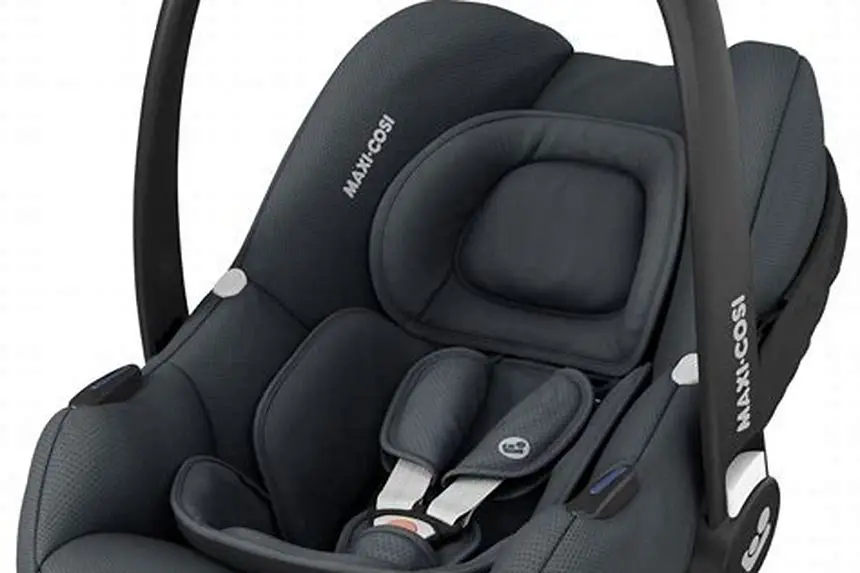
At what age can a baby safely stay in a Maxi Cosi car seat?
Clear guidance on the age and conditions for safely using a Maxi Cosi car seat with newborn inserts and baby buntings.
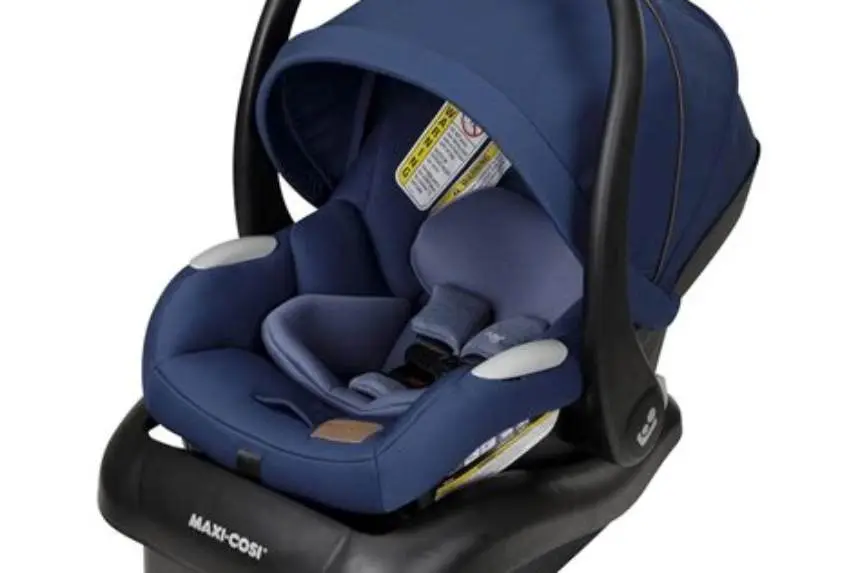
Babies can safely stay in a Maxi Cosi car seat from birth until about 12 to 15 months, depending on their weight and height limits. Newborn inserts and baby buntings extend comfort but don’t change safety age limits.
On this page (8 sections)
- The short version
- What age can a baby stay in a Maxi Cosi car seat
- How Maxi Cosi newborn inserts affect car seat use
- What is a Maxi Cosi baby bunting and how does it affect car seat duration
- Checking your Maxi Cosi car seat for size and fit changes over time
- Common questions about age limits and Maxi Cosi car seat safety
- Summary: When to retire your Maxi Cosi car seat regardless of baby’s age
- Questions people still ask
Part of our guide on rear facing car seat with base
Maxi Cosi car seat use depends on your baby's weight and height, not just age, with newborn inserts and buntings affecting fit but not safe duration.
| Typical age limit | 12-15 months |
|---|---|
| Minimum age | Birth (0 months) |
| Weight range | 4-35 lbs (depends on model) |
| Height limit | Usually up to 32 inches |
The short version
- Maxi Cosi seats fit newborns from birth with inserts
- Age limit depends on seat model, usually up to 12-15 months
- Weight and height limits trump age for safe use
- Baby buntings help fit but don’t extend official seat limits
- Replace the seat when outgrown by size, not just age
What age can a baby stay in a Maxi Cosi car seat
Maxi Cosi infant car seats are designed for use from birth and generally support babies up to about 12 to 15 months old. The exact age depends on the baby's growth within the car seat's weight and height limits, not age alone. For example, a seat rated for 4 to 35 pounds can fit babies as they grow, but once your baby exceeds either weight or height, it's time to switch seats regardless of age.
Age-based rules are a guideline but don’t override the physical limits marked on the seat. Many infants outgrow rear-facing infant seats before their first birthday if they're larger than average. Maxi Cosi seats label safety limits clearly; check your specific model for its own maximums.
Continuing to use the car seat past its limits risks poor fit, improper harness positioning, and reduced crash protection. The safest approach is to monitor your baby’s weight and length regularly and retire the Maxi Cosi seat when it no longer fits these criteria.
How Maxi Cosi newborn inserts affect car seat use
Newborn inserts in Maxi Cosi seats are padded supports placed beneath and around the baby to improve fit and comfort for very small infants, typically under 11 pounds. These inserts help position the baby properly and reduce side-to-side movement. It helps to understand securing your baby in maxi cosi before going further.
While inserts improve comfort and support, they do not extend the seat’s maximum weight or height limit. Once your baby grows beyond the recommended size, removing the insert is necessary to maintain proper harness fit.
Manufacturers advise removing the insert as soon as your baby’s head is level with or above it. Continued use beyond this point can impair the harness’s protective ability, compromising safety.
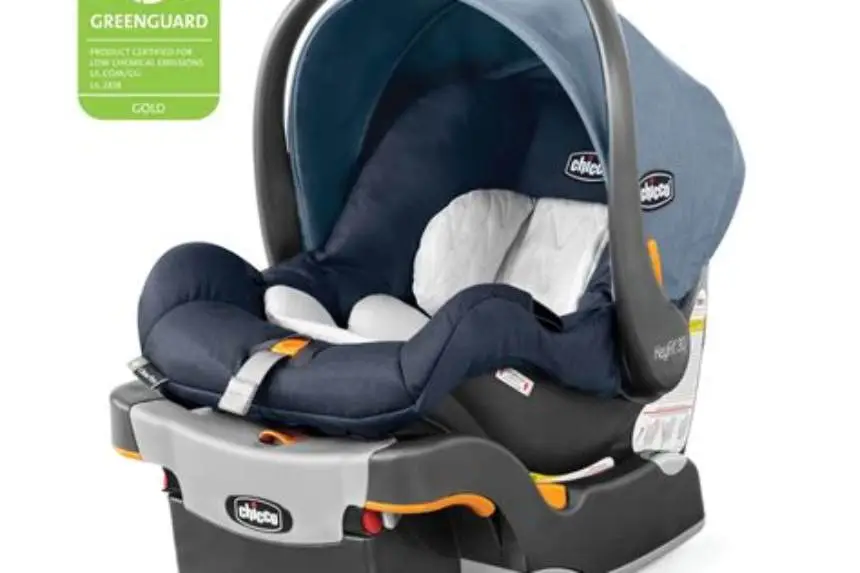
It’s important to note that some Maxi Cosi models offer adjustable or removable newborn inserts designed to accommodate infants as small as 4 pounds. In these cases, the insert provides crucial support for very premature or low birth weight babies, but only up to the minimum weight limit specified by the manufacturer. Parents should consult the user manual to understand exact weight and height thresholds for using these inserts safely. Before you commit to anything, it is worth looking at will a chicco keyfit fit in my middle seat.
When the insert is removed, the harness straps must be repositioned to the next height setting to ensure they remain at or just below the infant’s shoulders. This adjustment helps maintain proper restraint positioning as the baby grows. Failure to reposition the harness straps properly after removing the insert can cause the straps to sit too high or too low, increasing injury risk in a crash.

What is a Maxi Cosi baby bunting and how does it affect car seat duration
A Maxi Cosi baby bunting is a padded, enclosed sleeping bag-like cover designed to keep the baby warm and snug while inside the car seat. It fits around the baby and the seat harness for added comfort and insulation, especially in cold climates.
Using a baby bunting does not change the seat’s safety limits or age ranges. It is an accessory for comfort only and should be used carefully to avoid interfering with harness snugness or positioning.
Safety experts warn against bulky clothing or blankets under or around the harness, as this can create slack and reduce crash protection. Always ensure the bunting is compatible with your Maxi Cosi seat and does not impair harness tightness.
A Maxi Cosi baby bunting can vary in thickness and material. Lightweight buntings made from fleece or thin insulated fabrics are generally safe when used correctly, while very thick or bulky buntings can interfere with the harness’s snug fit. Parents should always test the harness tightness after placing the bunting on the baby, ensuring they cannot pinch any harness webbing at the shoulder area.
Some models of buntings are designed with slots or openings specifically to thread harness straps through, which helps avoid bulk between the baby and the straps. Using buntings without these features requires extra caution. If the harness cannot be tightened properly with the bunting in place, the bunting should be removed or replaced with a compatible alternative.
Checking your Maxi Cosi car seat for size and fit changes over time
Regularly checking that your baby still fits safely in their Maxi Cosi seat is critical. The harness straps should lie flat without slack and adjust to fit snugly around the baby's shoulders and chest.
Signs your baby has outgrown the seat include the top of their head reaching the seat’s upper edge or the harness straps reaching their maximum length. Also, watch for your baby’s shoulders rising above the highest harness slot.
Keep a growth chart or measure your baby periodically and compare with your seat’s limits. Exceeding limits means the seat should be replaced or upgraded to a convertible seat designed for older babies and toddlers.
When checking your Maxi Cosi car seat over time, also inspect the shell and fabric for signs of wear or damage that could compromise safety. Cracks, warping, or excessive fading might indicate weakening of the plastic components, which reduces crashworthiness. Regular cleaning with manufacturer-approved methods helps maintain fabric integrity and prevents material degradation.
In addition to physical checks, keep track of the car seat’s manufacture date usually found on a label on the base or underside. Most Maxi Cosi seats have a lifespan of 6 to 10 years. Using a seat past its expiration date is unsafe even if the baby fits properly because the materials may no longer perform as intended.
- Step 1: Measure your baby’s height and weight.
- Step 2: Compare measurements to Maxi Cosi seat’s labels.
- Step 3: Inspect harness strap length and position.
- Step 4: Check baby’s head position relative to seat edges.
- Step 5: Replace the seat if any limits are exceeded.
Common questions about age limits and Maxi Cosi car seat safety
Many parents ask if there is a strict age cutoff for Maxi Cosi seats. The short answer is no: weight and height matter more than age. Babies grow at different rates, so age is only a rough guide.
Another frequent question is whether a seat can be used past the manufacturer’s recommended period if the baby is small. This is not advisable because the seat materials degrade over time, and harness components may weaken.
Some wonder if removing inserts or using accessories like buntings impacts safety. Inserts help with fit for newborns but must be removed as the baby grows, and buntings should never compromise harness fit.
In every case, following the manufacturer’s instructions and checking labels on your specific Maxi Cosi model is the safest approach.
Summary: When to retire your Maxi Cosi car seat regardless of baby’s age
You should retire the Maxi Cosi car seat when your baby exceeds the seat’s maximum weight or height limits, regardless of age. This usually happens between 12 and 15 months for average-sized babies but varies widely.
Other reasons to stop using the seat include visible damage, expiration of the seat’s usable lifespan (often 6-10 years from manufacture), or after a moderate or severe crash involving the seat.
Transitioning to a convertible car seat that accommodates larger toddlers rear-facing or forward-facing is the next step after retiring the Maxi Cosi infant seat.
Questions people still ask
Can I use the Maxi Cosi seat for a baby younger than birth age?
No. Maxi Cosi seats are designed for newborns starting at birth when babies meet minimum weight requirements. Premature or very low birth weight infants may need specialized seats or medical advice.
Does the baby bunting keep my child safer in colder weather?
The bunting adds warmth and comfort but does not increase safety. Bulky layers between child and harness reduce safety, so use thin, well-fitted buntings designed for car seats.
How do I know when to remove the newborn insert?
Remove the insert when your baby’s head reaches the top of the insert or when the insert no longer helps position the baby properly. Check the seat’s user manual for exact guidance.
Is age or weight more important to stop using the Maxi Cosi car seat?
Weight and height are the primary safety limits. Age is a guideline, but if your baby exceeds weight or height limits earlier, switch seats then.
Can I use the Maxi Cosi car seat in a forward-facing position?
Most Maxi Cosi infant seats are rear-facing only. Forward-facing use requires a different convertible seat designed for older children.