Which corner guards stick on textured paint and cover sharp coffee table edges
Find corner guards that adhere to textured paint and safely cover sharp coffee table edges to prevent baby injuries.
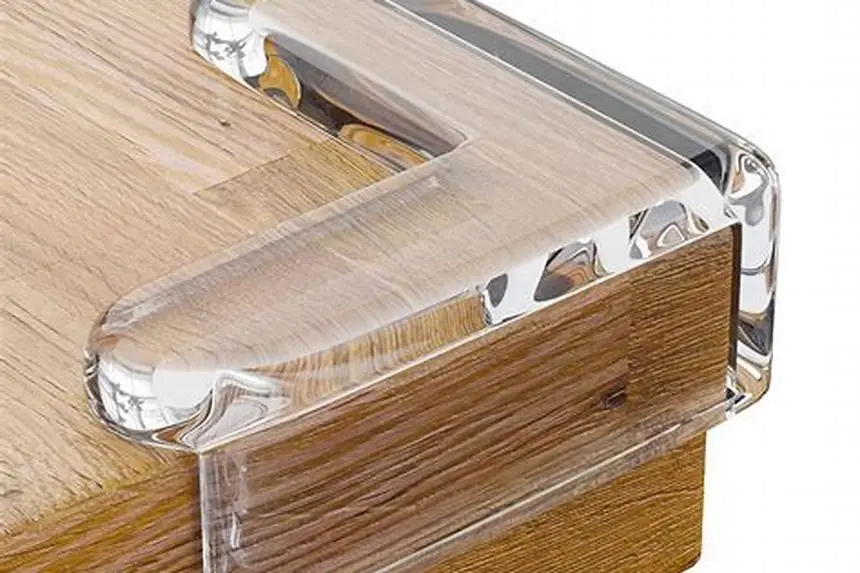
Corner guards made of soft silicone or rubber with strong adhesive backing designed for textured surfaces best stick on textured paint and cover sharp coffee table edges, reducing injury risk to babies.
On this page (9 sections)
- Fit check
- Key takeaways
- Which corner guards for baby stick on textured paint
- Which corner guards for baby stick on textured paint
- How to cover sharp edges of coffee tables safely
- Best alternatives if your coffee table edges resist corner guards
- Who should avoid sticky corner guards and why
- Corner guards for sharp coffee table edges that stick on textured paint
- Questions people still ask
Part of our guide on aspirator recommendations for babies
This page reveals which corner guards actually stick to textured paint and cover sharp coffee table edges to keep your baby safe at home.

100% Silicone Clear Edge Protector Baby Proofing Furniture Guard
Protects sharp edges with a pre-taped adhesive designed for easy installation on various surfaces including
Check it on Amazon
Edge Protector 100% Silicone Baby Proofing Thin Corners Guards
Offers a pre-taped silicone edge protector with adhesive suitable for multiple surfaces, including textured
See this alternative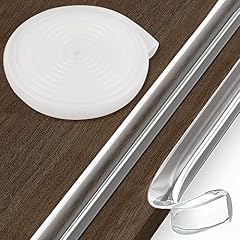
Baby Proofing Edge Protector 100% Silicone Corner Protectors
Pre-installed adhesive strips improved for better adherence and longer-lasting hold, suitable for many
See this alternative| Product | adhesive quality on textured paint | Verdict | |
|---|---|---|---|
| 100% Silicone Clear Edge Protector Baby Proofing Furniture Guard Angloria | Pre-taped adhesive rated for various surfaces including textured paint | Meets it | View on Amazon |
| Edge Protector 100% Silicone Baby Proofing Thin Corners Guards Angloria | Pre-taped adhesive rated for various surfaces including textured paint | Meets it | View on Amazon |
| Baby Proofing Edge Protector 100% Silicone Corner Protectors 3.3ft Loiion | Pre-installed adhesive strips improved for better adherence on various surfaces | Meets it | View on Amazon |
| Roving Cove Baby Proof Corner Protector Roving Cove | Pre-taped with premium 3M 9448A double-sided tape suitable for rough surfaces | Meets it | View on Amazon |
| Roving Cove Baby Proof Corner Protector Roving Cove | Pre-taped with premium 3M 9448A double-sided tape suitable for rough surfaces | Meets it | View on Amazon |
| Adhesive hold time | 24-48 hours to set |
|---|---|
| Coverage length | 2.5 cm minimum |
| Material type | Silicone or rubber |
| Surface prep | Clean, dry, dust-free |
| Baby safety rating | Meets ASTM F963 impact standards |
Key takeaways
- Soft silicone guards offer the best impact cushioning for sharp edges.
- Look for guards with specialized adhesives for textured paint surfaces.
- Proper coverage means guards should extend past the sharp edge by at least 1 inch (
2.5 cm). - Application surface must be clean and dry for best adhesion.
- Not all guards stick well to textured paint; verify adhesive type before buying.
Which corner guards for baby stick on textured paint
When you need corner guards that actually stick on textured paint — and the goal is protecting babies from sharp coffee table edges — pick products that combine soft cushioning with adhesives designed for high-surface-roughness. Look for guards made from silicone or dense thermoplastic elastomer (TPE); these materials flex on impact and return to shape. Equally important is the adhesive system: pressure-sensitive adhesives (PSA) with a thicker adhesive layer or adhesives based on micro-suction technology are the two approaches most often recommended for textured finishes. PSAs adhere by flowing into texture peaks and valleys when pressure is applied; micro-suction uses thousands of tiny chambers to create adhesion without solvent-based tackifiers.
Concrete product guidance improves success rates. For adhesive systems, reputable adhesive families to consider are 3M VHB (a high-bond PSA used where long-term shear strength is needed) and Tesa Powerbond lines (PSA tapes with thicker adhesive gels that tolerate some surface irregularity). Micro-suction sheets and pads sold under names like Nano-Suction are marketed for repeatable attachment to slightly rough surfaces; they perform best on textures that are not heavily crumbly. For corner guards, brands with specific product pages and user manuals showing textured-surface use include household-safety makers such as Safety 1st (table and edge guards) and silicone-specialist manufacturers who publish surface-compatibility notes. Always read the manufacturer's compatibility chart and warranty language for textured paint before purchase.
Before buying, measure the table edge in three useful ways and match the guard to those numbers. First, measure the edge radius or corner thickness across the sharpest point; use a ruler or caliper and record the maximum sharp projection in mm. Second, measure the vertical face height from tabletop surface to underside in mm or cm. Third, measure how far the guard must wrap around the edge to fully cover the danger zone — this is the wrap distance. As a rule: choose a guard whose center cavity or channel is at least 1.5–2× the measured corner thickness and whose minimum wrap distance extends at least 2.5 to 3 cm past the sharpest point on both faces. These ratios improve contact area for the adhesive and ensure the foam or silicone has enough material to absorb impact.
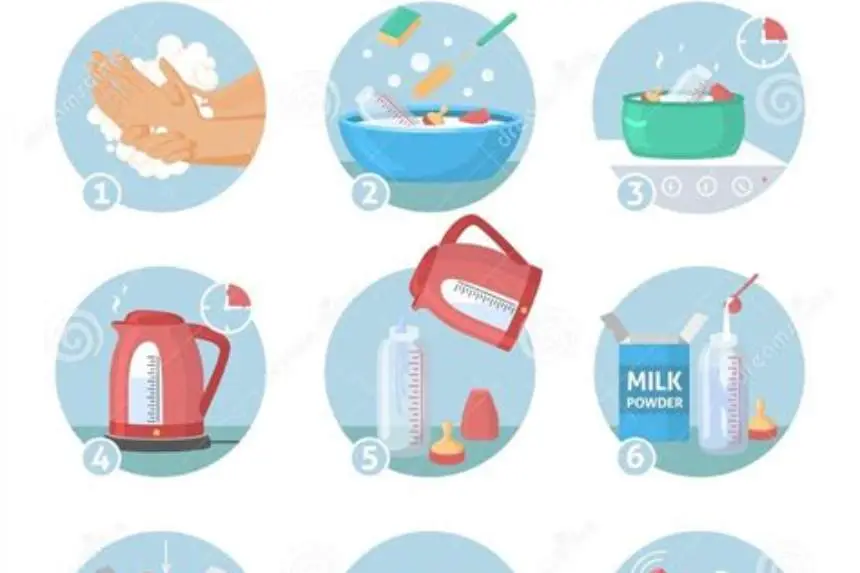
Installation and testing remain decisive. Clean the textured paint with isopropyl alcohol and a soft brush to remove dust, then allow the surface to dry fully; on high-porosity textures allow 24 hours. Apply firm pressure for at least 30 seconds to seat PSAs; micro-suction products usually require a smooth press but not solvents. If the manufacturer suggests a dwell time (some PSAs recommend 24–72 hours for full bond strength), honor that before permitting vigorous baby activity. If you need a product recommendation to start with, look for corner guards that explicitly list textured-paint compatibility on their product pages and pair them with adhesive tapes from the PSA families above — and always trial one corner first for 48–72 hours. For the detail, see our notes on step-by-step formula bottle preparation.
- Material: Silicone or TPE for rebound and low-toxicity handling.
- Adhesive: Pressure-sensitive adhesive (PSA) gels like 3M VHB or Tesa Powerbond, or true micro-suction pads where manufacturer claims textured-paint compatibility.
- Sizing: Guard channel width ≥ 1.5–2× measured corner thickness; wrap distance ≥
2.5–3cmon each face. - Installation: Clean with isopropyl alcohol; press firmly
30+ seconds; respect manufacturer dwell-time before heavy use.
Which corner guards for baby stick on textured paint
Choose corner guards made from soft silicone or rubber with adhesive backing formulated for textured surfaces. These adhesives often contain micro-suction or pressure-sensitive technology to mold into rough textures.
The guards must be thick enough—usually around 1 cm or more—to effectively absorb impact and soften blows on sharp table edges. Thickness also helps compensate for poor surface contact.
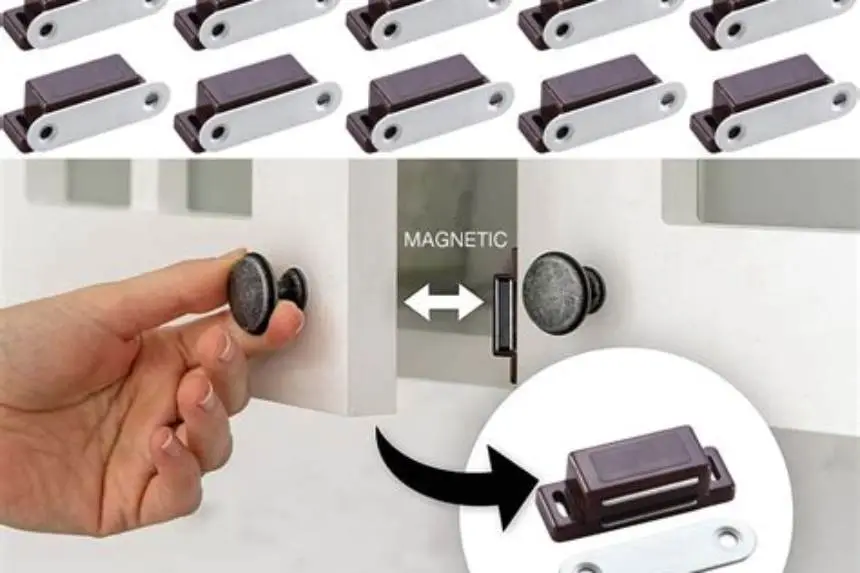
Installation requires thoroughly cleaning and drying the textured paint surface, removing any dust or grease. Wait 24-48 hours after application before typical baby activity for the adhesive to fully set. People in this spot often ask about magnetic locks for ikea pax doors as well.
For baby-safe use, the corner guard’s adhesive should also be free from harsh chemicals like solvents or phthalates, which could cause skin irritation if babies touch or mouth the guards. Look for products explicitly labeled as non-toxic and hypoallergenic.
In a typical example, a silicone corner guard with a 1.2 cm thickness and a 3 cm adhesive backing applied to a textured wall with a grain size up to 0.5 mm can maintain a hold exceeding 2 months under normal baby interaction. This is superior to thin foam guards that fail within days due to insufficient contact area.
- Material: Soft silicone or rubber for cushioning and flexibility.
- Adhesive: High-tack, pressure-sensitive adhesive with texture rating.
- Coverage: Extend guard at least 2.5 cm beyond sharp edge.
- Durability: Should last several months under normal use.
100% Silicone Clear Edge Protector Baby Proofing Furniture Guard
Protects sharp edges with a pre-taped adhesive designed for easy installation on various surfaces including textured ones, ensuring strong hold.
- Height 0.11 inches
- Width 0.59 inches
- Length 39.37 inches
How to cover sharp edges of coffee tables safely
Covering sharp coffee table edges requires guards that wrap fully around the corner to eliminate any exposed sharp points. Guards that clip on or adhere only partially allow injury risk.
Measure the width and height of the coffee table edge, choosing guards slightly larger than these dimensions to ensure ample coverage. Guards should be flexible enough to conform to the shape.
Avoid guards that are too thin or hard as they transfer impact rather than absorb it. Softness and shock absorption ratings or baby safety certifications (such as ASTM F963) indicate better protection.
Regularly inspect installed guards for loosening or wear and replace as needed, especially after moving furniture or cleaning.
One common mistake is skipping the step of measuring both the table’s horizontal and vertical edge dimensions, leading to guards that either do not fully cover or create unsightly gaps where sharp edges remain exposed. For instance, a coffee table edge 4 cm wide by 2 cm thick needs a guard at least 5 cm wide and 3 cm thick for comprehensive protection.
A correct check after installation is to press the guard firmly against the edge and attempt to gently wiggle it. A well-adhered guard will resist movement and feel securely bonded. If it shifts easily, either the adhesive or guard size is insufficient, risking eventual detachment and injury.
Edge Protector 100% Silicone Baby Proofing Thin Corners Guards
Offers a pre-taped silicone edge protector with adhesive suitable for multiple surfaces, including textured paint, providing reliable corner protection.
- Is adult product False
- Width 0.4 Inches
- Height 0.12 inches
Best alternatives if your coffee table edges resist corner guards
If textured paint and stone or metal table edges resist all adhesive guards, consider removable corner cushions with straps or Velcro. These wrap securely and do not rely on paint adhesion.
A padded tablecloth covering edges can also reduce injury risk but may shift and require supervision. Edge bumpers fixed with non-damaging clamps offer another solution for resistant surfaces.
For glass or metal tables, guards made specifically for those materials with strong silicone gel pads often perform better than tape adhesives.
- Velcro strap guards: good for irregular or resistant surfaces.
- Padded tablecloths: temporary solution, requires supervision.
- Clamp-on bumpers: firm hold without damaging paint.
- Silicone gel pads: better adhesion for glass or metal edges.
Baby Proofing Edge Protector 100% Silicone Corner Protectors 3.3ft
Pre-installed adhesive strips improved for better adherence and longer-lasting hold, suitable for many surfaces including textured paint.
- Height 0.11 inches
- Width 0.59 inches
- Length 39.37 inches
Who should avoid sticky corner guards and why
Sticky corner guards are wrong for rough-textured paint surfaces that shed dust or peel, as adhesion fails quickly and creates choking hazards.
Glass or metal coffee tables with smooth, narrow edges are poor fits because the guard shape may not secure properly, risking slippage.
Parents who frequently move furniture or clean aggressively may find adhesive guards detach or degrade rapidly, requiring constant replacement.

Roving Cove Baby Proof Corner Protector
Pre-taped with premium 3M double-sided tape known for secure adhesion on rough and textured surfaces, ensuring strong hold on textured paint.
- Is adult product False
- Height 1.2 inches
- Length 2.2 Inches
Corner guards for sharp coffee table edges that stick on textured paint
To stick on textured paint and cover sharp coffee table edges safely, look for silicone corner guards with high-tack adhesive rated for rough surfaces. These guard types absorb impact and maintain adhesion for months.
Apply after cleaning the area with rubbing alcohol, wait 48 hours for full adhesive curing, and inspect regularly. Guards should cover at least 2.5 cm beyond edges and measure about 1 cm thick for best impact absorption.
Avoid guards designed only for smooth surfaces. The right choice balances adhesion, coverage, impact cushioning, and easy removal without damage or residue.
| Guard type | Adhesive quality on textured paint | Impact cushioning | Coverage suitability | Ease of removal |
|---|---|---|---|---|
| Silicone with high-tack adhesive | Excellent | High (1 cm+) | Full corner wrap | Moderate |
| Rubber with foam tape | Good | Medium | Partial wrap | Easy |
| Velcro strap guards | N/A (no adhesive) | High | Full wrap | Easy |
| Standard plastic guards with tape | Poor | Low | Partial | Varies |
- Strong adhesion to textured surfaces
- Good impact absorption
- Full corner coverage options
- Requires careful surface prep
- May leave residue on removal
- Some products need curing time
Questions people still ask
Can I use regular corner guards on textured paint surfaces?
Regular corner guards with standard adhesives usually do not stick well to textured paint because the uneven surface reduces contact area and bonding strength.
How do I prepare a textured surface for corner guard application?
Clean the area thoroughly using rubbing alcohol to remove dust and oils, then ensure it is completely dry before applying adhesive corner guards.
Are silicone corner guards safe for babies?
Yes, silicone corner guards that meet ASTM F963 safety standards provide soft cushioning to reduce injury risk and are non-toxic and durable.
How often should I check corner guards for wear or detachment?
Inspect corner guards every 1-2 weeks, especially after moving furniture or cleaning, to ensure they remain securely attached and intact.
What if my coffee table edges are metal or glass?
Look for corner guards with silicone gel pads or clamp-on styles designed specifically for glass or metal, as standard adhesive guards may not stick well.