How to wear a mei tai and k'tan carrier for your baby's size and your comfort
Wear a mei tai by securing the body panel snugly on your chest, tying straps in a cross-back then around your waist, ensuring baby’s hips are supported at a 30-40° spread and head close enough to kiss. For a k'tan, slide it on like a T-shirt, snug but breathable, adjusting for baby size and your torso length.
On this page (8 sections)
- What matters most
- How to wear a mei tai baby carrier safely
- How to wear a k'tan original carrier for comfort and fit
- Adjusting carrier fit for different parent body sizes
- How to wear a mei tai baby carrier for different baby sizes
- How to wear a k'tan carrier for varied baby sizes
- How to wear a mei tai baby carrier and k'tan original carrier for your baby's size and your comfort
- Questions people still ask
Part of our guide on boba wrap sizing guide
The numbers
- Mei tai straps
- 4 long ties
- K'tan sizes
- 5 size options
- Baby hip angle
- 30-40° spread
- Max baby weight
- 25-35 lbs typical
- Carrier fabric
- cotton or blend
What matters most
- Mei tai tying supports baby’s hips at a 30-40° angle to avoid hip dysplasia
- K'tan carrier fits like a sling without knots but requires size matching to wearer
- Adjust straps for snug fit to prevent baby slumping and parent back strain
- Check baby’s airway is clear and chin off chest for safe carrying
- Both carriers suit newborns to toddlers with careful adjustment
How to wear a mei tai baby carrier safely
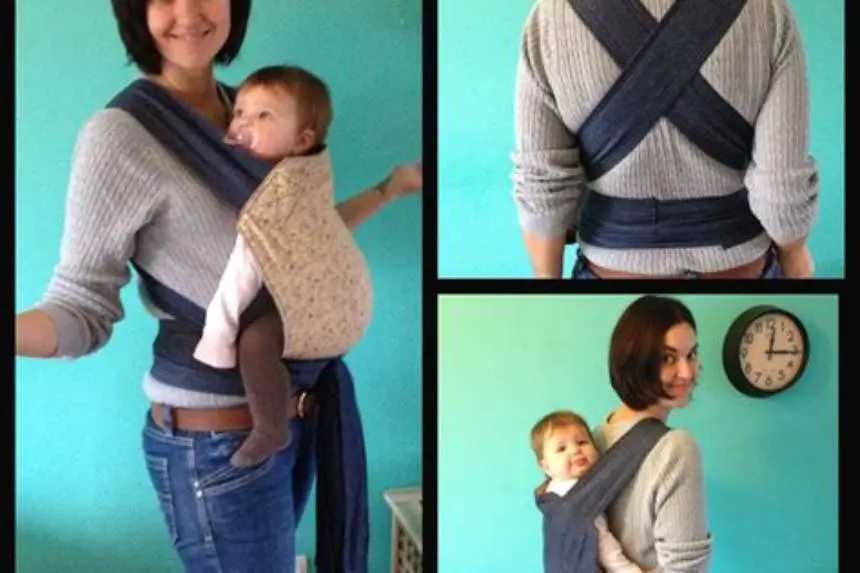
A mei tai carrier consists of a rectangular body panel with four straps: two short ones at the top and two long ones at the bottom. Start by placing the body panel against your chest, with the top straps over your shoulders.
Cross the top straps behind your back, bring them forward under the bottom straps, and tie securely around your waist. Then take the bottom straps around your waist, crossing them at the back and tying them snugly in front or side. This configuration supports your baby’s weight evenly across your shoulders and hips.
Position your baby in an ergonomic 'M' shape with knees higher than their bottom, hips spread about 30-40° apart. The baby’s head should rest close enough to your chin so you can kiss the top of their head without straining your neck.
Ensure the fabric supports baby from knee to knee, and the carrier is tight enough so your baby doesn’t slump, which can block airways. Adjust tightness to balance your comfort and baby’s safety. It helps to understand step-by-step carrier instructions before going further.
- Place body panel centered on chest
- Cross and tie top straps behind back
- Bring bottom straps around waist and tie
- Lift baby into carrier ensuring 'M' hip position
- Adjust straps for snug fit and proper baby height
How to wear a k'tan original carrier for comfort and fit
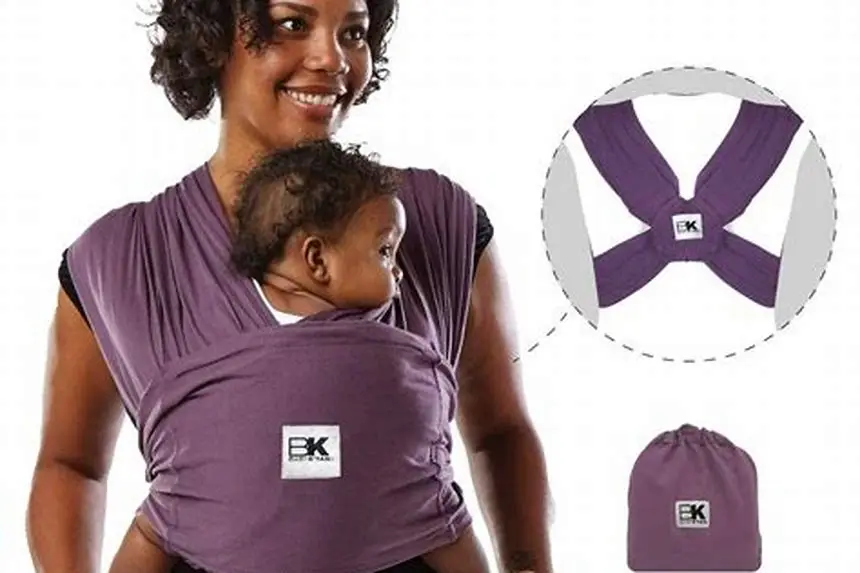
The k'tan carrier is a closed-loop made of soft, stretchy fabric that you wear like a T-shirt with two armholes and two shoulder loops. To wear it, slide it over your head and arms so one loop sits on each shoulder.
Adjust the position by pulling the fabric to create a pocket for your baby on your chest. Because the k'tan has no knots, fit depends on your torso length and baby size, making it critical to choose your k'tan size before buying.
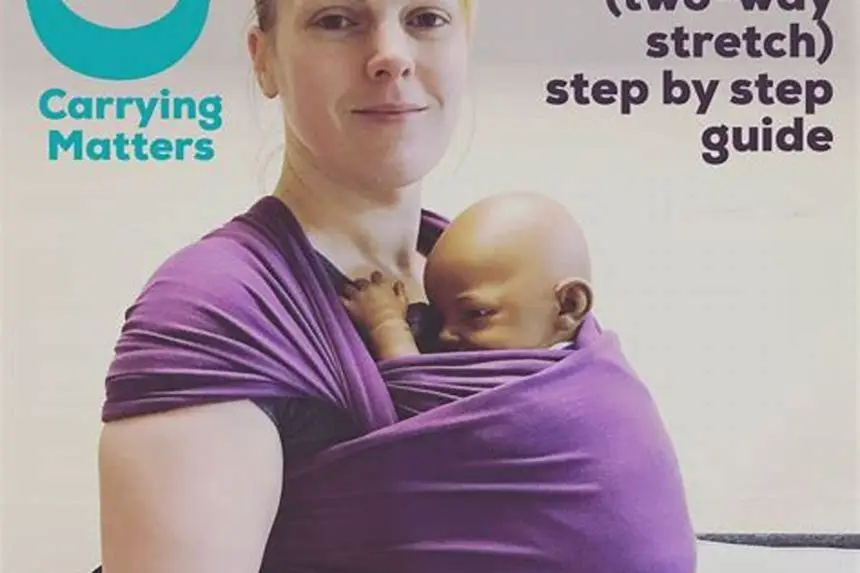
Place your baby inside the pouch with legs in an 'M' position and ensure their airway is unobstructed. The fabric should be snug but breathable, preventing slumping while distributing the baby's weight evenly across your shoulders. The other half of this decision is how to put on a stretchy baby wrap.
The k'tan is best for parents with torso lengths within the manufacturer's size range; outside that, it may be too loose or tight, making comfort and safety harder to maintain.
Adjusting carrier fit for different parent body sizes
Both mei tai and k'tan carriers require adjustments to suit parent body size, especially torso length and waist circumference. Mei tai’s long straps usually provide more flexibility, fitting a wider range of parent sizes by adjusting knot positions.
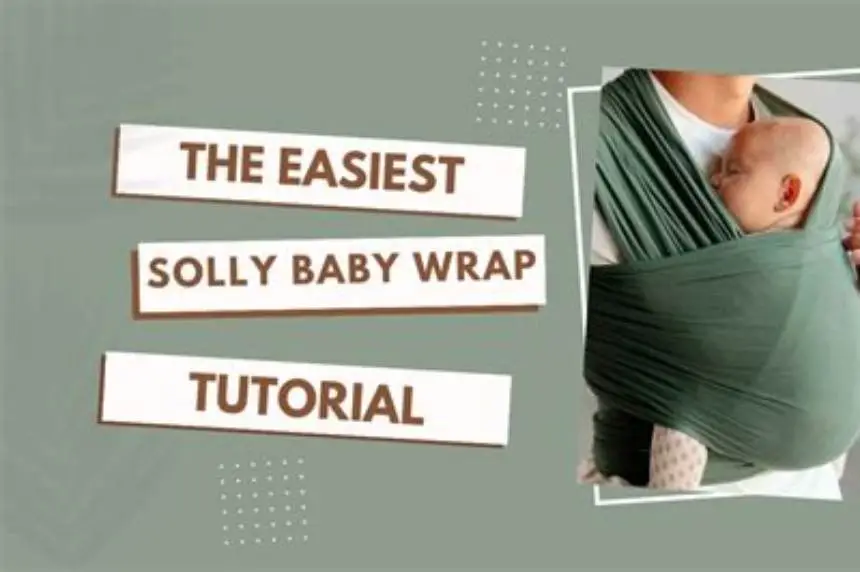
For larger parents, ensure the mei tai’s straps are long enough to tie securely without restricting circulation. For smaller parents, double-check that excess strap fabric does not create bulk interfering with comfort or baby positioning. If that sounds like your situation, read up on correct positioning with solly wrap next.
K'tan carriers come in fixed sizes based on torso length. Parents outside the mid-range torso sizes often find the k'tan too tight or loose, risking poor baby support.
Parents with broader shoulders should look for mei tai brands offering adjustable or padded straps to reduce shoulder pressure during extended wear.
| Feature | Mei Tai Carrier | K'tan Carrier |
|---|---|---|
| Strap Adjustability | Highly adjustable with long straps | Fixed size, no knots |
| Best for Parent Sizes | All sizes with strap adjustment | Mid-range torso lengths only |
| Shoulder Comfort | Adjustable, can add padding | Fabric stretch, limited support |
| Ease of Fit | Requires tying skills | Slip-on simplicity |
How to wear a mei tai baby carrier for different baby sizes
Newborns and small infants require a high, snug position with head support. Fold the mei tai fabric if necessary to create a smaller seat and support the neck.
For babies up to about 12 months or 20 pounds, keep the carrier tight and adjusted so the baby’s hips remain in the ergonomic 'M' position, with knees higher than their bottom and hips spread 30-40° apart.
Toddlers over 20 pounds may become too heavy for some mei tai models. Check the manufacturer's maximum weight limit, often between 25 and 35 pounds, and ensure straps remain secure.
Adjust fabric tension to avoid baby slumping forward, which can block airways. The baby’s back should be rounded naturally but supported fully from knee to knee.
How to wear a k'tan carrier for varied baby sizes
With a k'tan, position baby inside the carrier so their legs are in an ergonomic spread-squat ('M') position. For newborns, create a tighter fabric pocket to support head and neck fully.
Older babies and toddlers need more fabric support over the back and bottom; adjust by sliding fabric or repositioning baby higher or lower on your chest.
Because the k'tan fabric stretches, it offers some size adaptability, but fit depends heavily on the baby’s weight and your torso length. Excessive sagging can cause unsafe slumping.
Monitor frequently to make sure your baby’s airway stays clear and that they do not slide downward inside the carrier. Tightness must balance comfort and safety.
How to wear a mei tai baby carrier and k'tan original carrier for your baby's size and your comfort
Wearing a mei tai or k'tan carrier correctly means balancing baby’s ergonomic positioning with your comfort. Mei tai requires practice tying straps properly for a secure fit, which can be customized for wide parent and baby sizes.
K'tan’s pre-sized loop suits parents and babies in a narrower size range but is simpler to put on and adjust on the fly. Both carriers require keeping baby’s airway clear and hips spread to avoid joint stress.
If your baby is very young or small, both carriers can be adjusted (mei tai with fabric folds, k'tan with fabric manipulation) to provide better head and neck support.
For larger parents or toddlers, mei tai offers more flexibility in strap adjustment, making it a better fit. K'tan users must confirm size before buying and regularly check fit as baby grows.
| Criteria | Mei Tai Carrier | K'tan Carrier |
|---|---|---|
| Ease of Use | Requires tying skill | Slip-on convenience |
| Fit Range | Flexible for parent and baby sizes | Limited by torso size |
| Baby Support | Strong fabric support knee to knee | Soft, stretchy fabric support |
| Parent Comfort | Adjustable straps distribute weight | Stretch fabric may cause shoulder fatigue |
Questions people still ask
Can I use a mei tai carrier for a newborn?
Yes, but you need to fold some fabric to create a smaller seat and provide proper neck support. Always ensure the baby’s airway is clear and hips are in the ergonomic 'M' position.
How do I know my k'tan size?
Measure your torso length from the base of your neck to your waist with a flexible tape. Compare this to the manufacturer's size chart to select the correct k'tan size for a secure fit.
What is the safest hip position for my baby in these carriers?
Babies should have their hips spread about 30-40 degrees with knees higher than the bottom. This 'M' position supports healthy hip joint development and reduces dysplasia risk.
How tight should the carrier be?
The carrier should be snug to support baby without allowing them to slump. You should be able to kiss the top of your baby’s head comfortably, and their airway must remain clear.
Can I wear a mei tai carrier if I have a large waist?
Yes, mei tai carriers usually have sufficiently long straps to tie securely around larger waists, but measure strap length to ensure they will reach comfortably.