How to put on an Ergobaby carrier safely with newborn and back carry
To put on an Ergobaby carrier safely, first check if your model requires a newborn insert (usually under 12 pounds). For front carry, secure straps snugly around your waist and shoulders. For back carry with the Omni 360, place baby high on your back using the carrier's secure harness system.
On this page (8 sections)
- What matters most
- Check if your Ergobaby model requires a newborn insert
- How to put on an Ergobaby carrier for front carry with a newborn
- Ergobaby Omni 360 back carry how to
- Safety checks and strap adjustment tips for all Ergobaby carries
- When and why the newborn insert is required for my Ergobaby model
- Troubleshooting common Ergobaby carrier fitting problems
- Questions people still ask
Part of our guide on boba wrap size chart for 5'9" parent
The numbers
- Newborn insert needed
- Yes for many models
- Minimum baby weight
- 7-8 lbs (varies)
- Ergobaby Omni 360
- No insert needed
- Back carry position
- High on back
- Strap tightness
- Snug, adjustable
What matters most
- Ergobaby Omni 360 supports front, back, and hip carries from newborn with insert.
- Newborn insert is required for babies under about 12 pounds in most models except the Omni 360.
- Strap adjustment and tightness prevent baby from slumping or sliding.
- Back carry requires careful positioning with baby high on the back and chest strap secure.
- Always confirm carrier model’s weight and age limits before use.
Check if your Ergobaby model requires a newborn insert
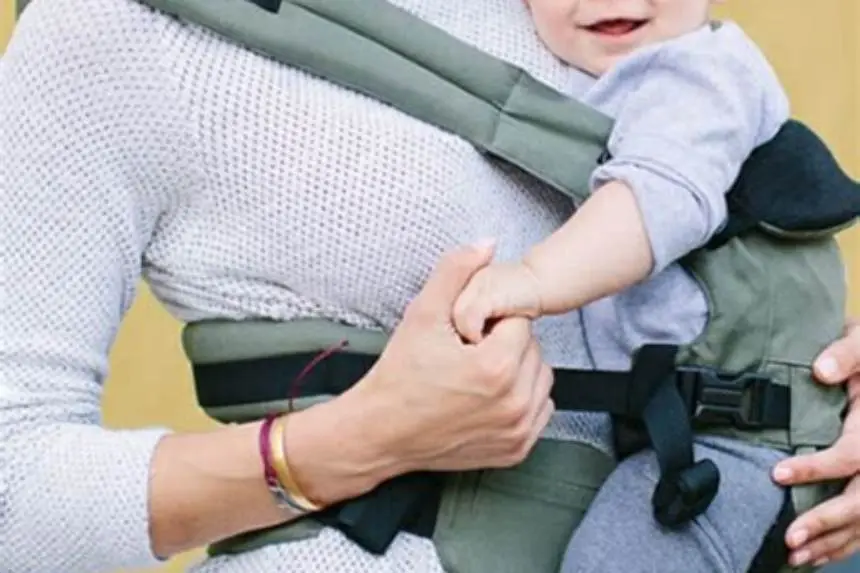
Most Ergobaby carriers require a newborn insert to safely carry infants under 12 pounds. The insert provides essential head and neck support since newborns cannot hold their heads up on their own.
The Ergobaby Omni 360 model is designed to carry newborns without the insert due to its structured seat and adjustable support that conforms to baby's size. This model is appropriate from about 7 to 33 pounds without extra accessories.
If your model is not the Omni 360 or a similar variant, you will need a newborn insert that matches Ergobaby’s specifications. Use the insert until your baby can sit upright unassisted, which usually happens around 4 months.
To confirm your need for an insert, check your carrier's user manual or Ergobaby’s official website by entering your model name or number. The physical insert must have firm, structured padding and secure snap or Velcro attachments to the carrier. There is more on ergobaby insert needed newborn in a separate guide.
How to put on an Ergobaby carrier for front carry with a newborn
Start by loosening all carrier straps to prepare for your baby’s weight and size. Position the carrier on your front with the seat facing out or inward based on your baby’s age: newborns face inward for better support.
If required, insert the newborn insert firmly into the carrier’s body pocket, ensuring it is fully attached. Next, lift your baby and place them carefully against your chest, their legs in the natural 'M' position.
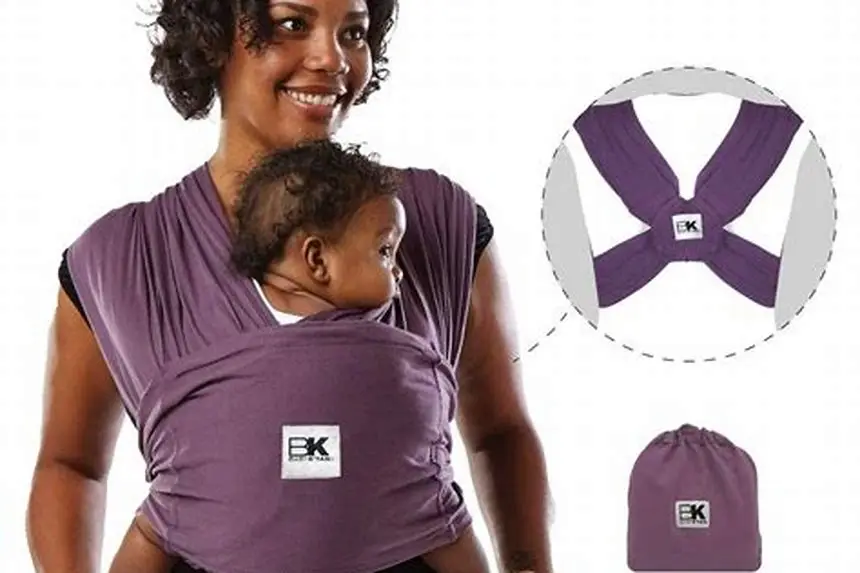
Secure the waist belt around your hips, tightening until snug but not restrictive. The belt should support most of baby’s weight to reduce strain on your shoulders. We cover how to wear baby k'tan in its own article.
Put on the shoulder straps one at a time, adjusting the buckles and straps so the carrier fits snugly and holds the baby close to your body without gaps or slouching.
Check baby’s airway is clear by ensuring their chin is off the chest and they can see over your shoulder slightly. Always maintain skin-to-skin contact if possible for newborns.
- Loosen all straps on the carrier before placing baby.
- Attach newborn insert if needed.
- Secure waist belt around hips, tighten snugly.
- Place baby facing inward on chest, legs in ‘M’ position.
- Put on and adjust shoulder straps for snug fit.
- Check baby’s head position for clear airway.
Ergobaby Omni 360 back carry how to
The Ergobaby Omni 360 supports back carry starting around 5-6 months when your baby can sit independently. Begin by loosening the shoulder and waist straps to make putting on easier. There is more on adjusting the toddler insert correctly in a separate guide.
Put the waist belt around your hips and fasten it securely. The belt should hold most of the baby’s weight to reduce back strain.
Next, position your baby on your back with legs around your waist in the ergonomic ‘M’ position. Lift the carrier over their back so the seat supports their hips and thighs evenly.
Put on the shoulder straps one at a time. Connect the chest strap behind your back between the shoulder blades to stabilize the carrier and prevent slouching.
Tighten all straps so baby sits high and close to you. The carrier should hold baby firmly without pressure points. You should be able to fit two fingers comfortably between baby and your body.
Confirm baby’s head and neck are supported, especially on longer carries or when the baby tends to fall asleep. The Omni 360’s adjustable seat width and padded neck support help here.
- Loosen straps before putting on carrier.
- Secure waist belt tightly around hips.
- Place baby on your back in ‘M’ position.
- Lift carrier over baby’s back, seat supporting hips.
- Put on shoulder straps, fasten chest strap behind back.
- Tighten straps so baby is high and snug.
- Check head and neck support.
Safety checks and strap adjustment tips for all Ergobaby carries
Proper strap adjustment is crucial for baby’s safety and your comfort. The waist belt should carry at least 60-70% of baby’s weight to avoid shoulder and back fatigue.
Shoulder straps must be snug but not restrictive. You should not be able to pull the carrier away from your body more than about 1-2 inches once tightened.
Always check the carrier’s fit immediately after putting baby in, and reassess every 10-15 minutes during use. Babies grow fast, and positions can shift causing slumping or sliding.
Ensure baby’s legs are positioned with knees higher than bottom to support healthy hip development. This ‘M’ or frog-leg position is standard for Ergobaby carriers.
Avoid bulky clothing between baby and carrier to prevent slipping. Use fabric layers only as thin as needed to maintain close contact.
If your carrier has a chest strap or cross-strap system, double check it’s fastened and positioned correctly behind your back to keep shoulder straps from slipping.
- Waist belt: carries majority of baby’s weight for comfort.
- Shoulder straps: adjustable, snug, secure without restricting breathing.
- Leg position: knees higher than bottom in ‘M’ shape for hips.
- Frequent checks: reassess fit every 10-15 minutes during use.
- Chest strap: fasten behind back to stabilize shoulder straps.
When and why the newborn insert is required for my Ergobaby model
The newborn insert is required for most Ergobaby carriers to provide proper support for infants weighing less than about 12 pounds. Without this insert, the baby’s head and neck lack sufficient support, risking airway obstruction or positional asphyxia.
Ergobaby’s Omni 360 does not require the insert because its adjustable seat and structured frame accommodate newborns safely from about 7 pounds upwards. This design supports proper hip and spine positioning without extra padding.
If your model predates the Omni 360 or is a classic Ergobaby, the insert is essential until your baby can hold their head up independently, typically around 4 months.
Always choose the insert designed specifically for your carrier model. Generic inserts often lack the secure attachment system that prevents slipping, which could create hazards.
Note that incorrectly using the insert on a carrier designed not to need it can produce the wrong fit, creating discomfort or safety risks.
Troubleshooting common Ergobaby carrier fitting problems
If your baby seems to slump forward or to the side, check the tightness and length of your shoulder straps. Loose straps are the most common cause of this unsafe position.
A poorly supported head or neck often signals that a newborn insert is missing or positioned incorrectly, or that the baby has outgrown the need for an insert but the carrier is still set too loosely.
Back carry discomfort usually relates to the waist belt being too loose or sitting too high on your torso rather than your hips. Adjust the belt to sit on your pelvic bones for optimal support.
If you feel excessive shoulder or back strain, redistribute weight by tightening the waist belt and loosening the shoulder straps slightly. The waist should bear most of the load.
When baby’s legs feel cramped, check that the seat width is adjusted correctly (available on Omni 360) and ensure legs are in the ‘M’ position rather than dangling straight down.
- Slumping baby: tighten shoulder straps, check insert placement.
- Head support: confirm insert used if baby under 12 lbs.
- Back carry strain: adjust waist belt lower on hips.
- Discomfort: shift weight to waist belt from shoulders.
- Leg cramps: widen seat, maintain ‘M’ position.
Questions people still ask
Can I use the Ergobaby carrier without the newborn insert from birth?
Only the Ergobaby Omni 360 allows newborn carry without the insert due to its seat design. For other models, the newborn insert is necessary to support head and neck safely until the baby is about 12 pounds or can hold their head up.
At what age is it safe to do a back carry with the Ergobaby Omni 360?
Back carry is generally safe from around 5-6 months when the baby can sit unassisted, as this ensures the baby has sufficient neck and back strength to be positioned safely on your back.
How tight should the carrier straps be for a secure fit?
Straps should be snug enough to hold baby close to your body without allowing more than 1-2 inches of movement. The waist belt bears most weight and must be tight on your hips, while shoulder straps stabilize baby.
What is the correct leg position for my baby in the Ergobaby carrier?
Baby’s legs should be in the ergonomic ‘M’ position with knees higher than their bottom. This position supports hip development and reduces joint stress.
How do I know if my baby has outgrown the newborn insert?
Your baby can stop using the insert once they weigh around 12 pounds and can hold their head up steadily without support. At this point, the carrier alone will provide enough support.