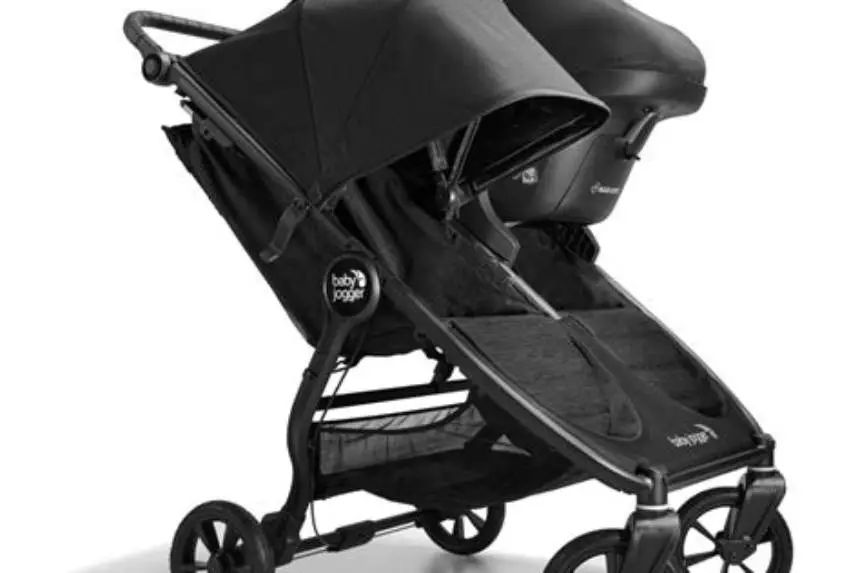
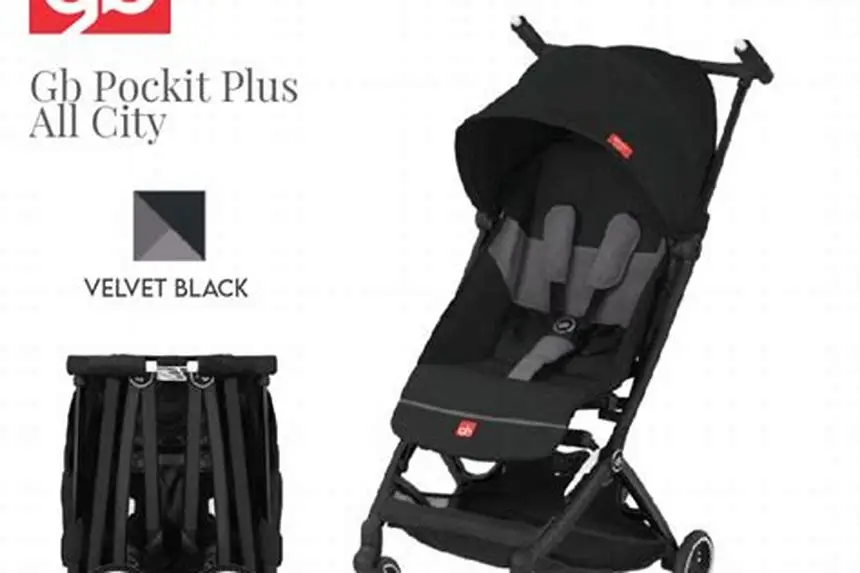
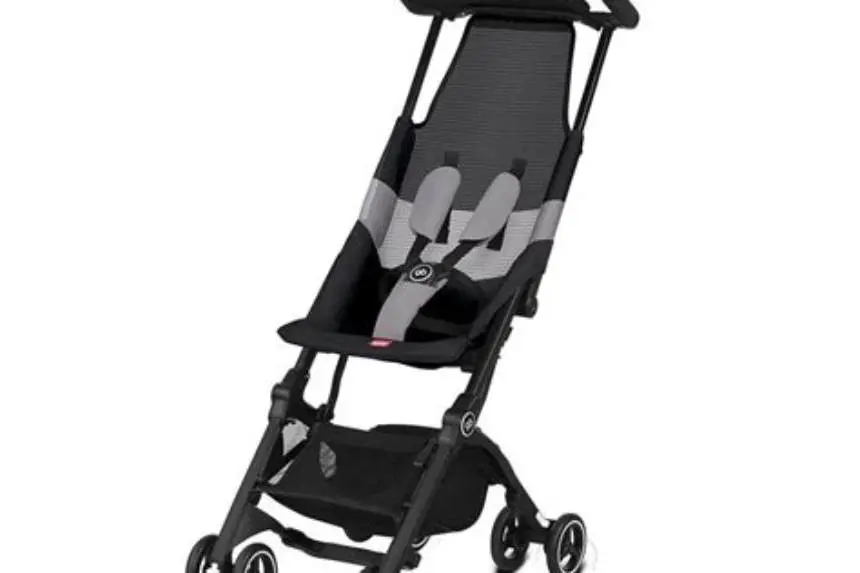
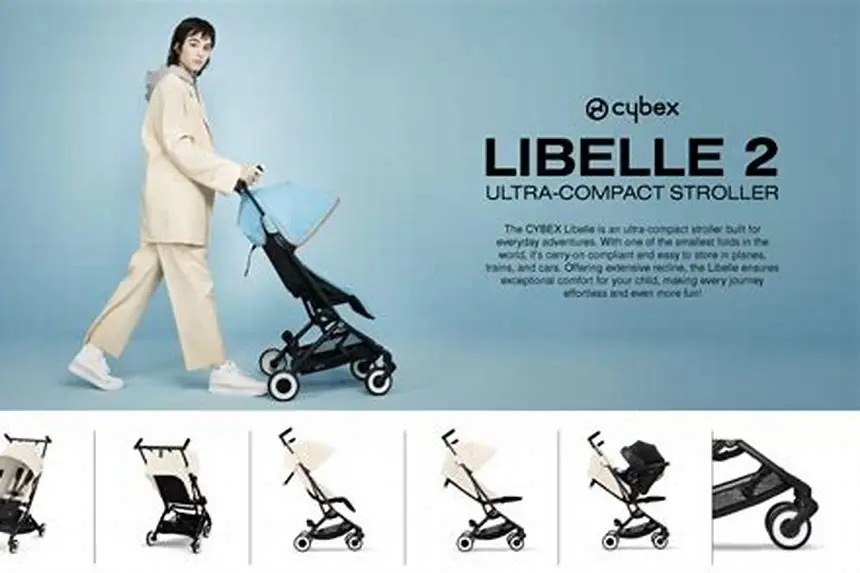
Overhead bin or gate-check: which double stroller fits newborn air travel
For a double stroller for airplane travel with newborns, assume gate-checking, not overhead storage. Most newborn-ready doubles need a flat seat or car-seat attachment, making cabin fit unlikely. Check your airline’s published limits and gate-check policy before you book.
On this page (9 sections)
- Fit check
- What matters most
- What the airline actually measures and allows
- Why newborns change what a double must do
- Overhead bin or gate-check: the arithmetic
- When a newborn travels in the car seat, not the stroller
- What to do when no double clears the cabin
- How to find the actual dimensions before you buy
- Questions people still ask
Part of our guide on city mini gt2 convert to double
Baby Trend B0C4BDPNB2 is the only double near the limit (22.63 in) but its spec sheet does not say whether the 22.63 x 34 x 16 in figures are folded or assembled, and it lists weight as 0.0 lb — worth a human check before trusting that number.
Closest of the ones checked: INFANS Double Stroller, Foldable Baby Tandem Stroller with Djustable — 43.5 inches against 22 inches needed
Families flying with only one newborn and no older child—a single stroller or infant car seat with a carrier is simpler
Parents who need the stroller upright in the cabin (not possible with either carry-on or gate-check on most flights)
Travelers on short flights where gate-checking causes delays (it typically adds 3–5 minutes at arrival)
| Product | folded dimensions published by maker | Verdict | |
|---|---|---|---|
| Baby Trend Sit N’ Stand® Double Stroller Baby Trend | Only assembled size given (50.8 x 23.75 x 40.8 in); folded dimensions not published, so nothing to compare with 22 x 14 x 9. | Not published | View on Amazon |
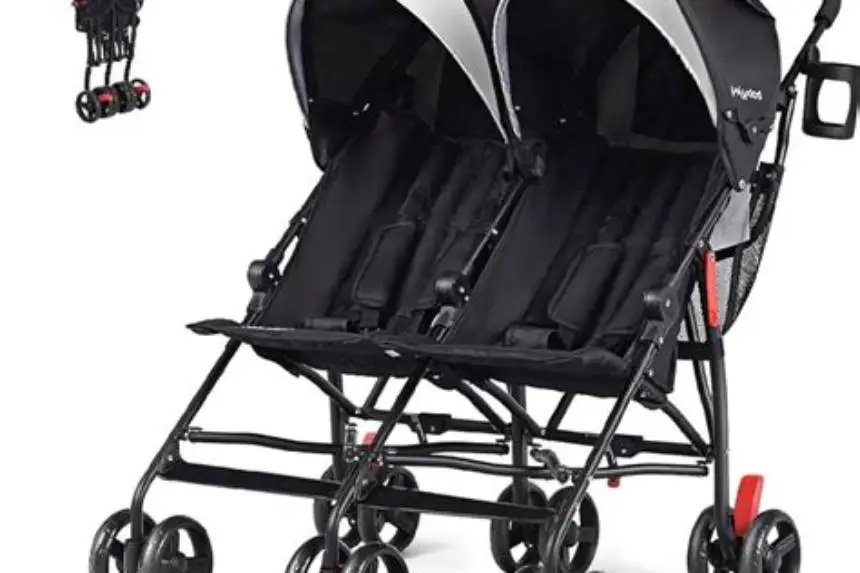
| INFANS Double Stroller, Foldable Baby Tandem Stroller with Djustable INFANS | Maker's folded size 43.5 x 23 x 14 in; folded length 43.5 in against the 22 in cabin limit, 21.5 in over. | Short by 21.5 inches | View on Amazon |
The numbers
- Typical overhead limit
- 22×14×9 inches
- Newborn-safe double folded
- 24–28 inches long
- Newborn age for lie-flat
- birth to 6 months (varies by model)
- Gate-checked stroller cost
- free on most US airlines
- Folded weight to lift solo
- under 18 lbs recommended
What matters most
- Overhead bin limits are typically 22×14×9 inches; newborn-safe doubles fold 24–28 inches long, exceeding length limits
- Gate-check is free and returns your stroller at the jet bridge, but policies vary: verify your airline's exact coverage
- A newborn requires either a lie-flat recline or a car seat attachment; these features add folded bulk
- Two lightweight singles or a carrier plus a single may fit overhead if cabin space matters more than one stroller
- On board, a newborn can travel in a lap-held car seat, freeing the stroller to stay smaller
What the airline actually measures and allows
Your airline's cabin baggage policy is printed on their website. Find it before you shop. US domestic carriers (American, Delta, Southwest, United) use 22 inches long, 14 inches wide, 9 inches deep. This is the envelope. A stroller folded to 22×14×9 just fits. A stroller folded to 24×14×9 does not, no matter how light it is.
You need three dimensions because airlines measure all of them. A stroller 21 inches long but 15 inches wide exceeds the limit. Makers do not always list width and depth on product pages; you may need to email their customer service or read the manual. Write down the exact numbers from the maker's published specs or manual before comparing to your airline.
Gate-check is different from cabin baggage. Gate-check means the stroller goes into the hold at the jet bridge and comes back to you at the gate on arrival. It is free on US carriers. It does not count against your baggage allowance. But not every flight accepts gate-check: confirm on your airline's website or call before you fly. Some regional flights refuse it. Some count a gate-checked stroller as your carry-on allowance: check the fine print.
- Cabin baggage limit: measure your airline's exact policy, not an assumption. Rules vary by airline and route.
- Folded dimensions: get all three numbers (length, width, depth) from the maker's manual or spec sheet, not a product photo.
- Gate-check coverage: confirm whether your specific airline and flight allow it, and whether it counts as your carry-on.
- Newborn exception: a newborn can travel in a lap-held car seat on your lap; the stroller can stay smaller or gate-checked.

Baby Trend Sit N’ Stand® Double Stroller
Carries one seated child plus an infant car seat or a standing toddler, but no folded length is printed anywhere, so there is no way to check it against a 22-inch cabin limit.
- Height 40.8 inches
- Length 50.8 inches
- Weight 28.38 pounds
Why newborns change what a double must do
A newborn cannot sit upright in a stroller seat. The Juvenile Products Manufacturers Association (JPMA) and maker safety standards require a fully flat recline or a car seat attachment for infants. 'Nearly flat' or a 170-degree recline is not enough; the standards call for true horizontal. This is not a marketing term. Check your stroller's manual for the minimum recline angle and the age or weight at which it is allowed. For the detail, see our notes on gb pockit fit stroller basket.
A lie-flat recline adds bulk. The seat must extend fully, and the frame must be rigid enough to support that position. This increases folded length by 3–5 inches compared to a stroller without lie-flat. A standard double without recline folds to 20–22 inches; a newborn-safe lie-flat double folds to 24–28 inches. That extra length usually pushes it past overhead limits.
A car seat attachment is lighter and more compact if you already have a compatible infant car seat. The stroller frame accepts the car seat on top of a structural base. You do not carry a separate frame piece. But you are now managing two items (car seat and stroller) and they must be compatible. Check your car seat model against the stroller's compatibility list in the manual. Not all seats work with all strollers.
Without a newborn, a double stroller folds smaller and lighter. If you are flying with one newborn and one older toddler, you have a choice: bring a lie-flat double that gate-checks, or bring an infant car seat (held on your lap during flight) plus a compact single stroller for the toddler. The second option is often lighter and takes less cabin space. The other half of this decision is stroller weight for airline cabin.
| Stroller type | Folded length | Recline requirement | Weight | Cabin fit |
|---|---|---|---|---|
| Standard double (no newborn) | 20–22 inches | partial or none | 16–20 lbs | possibly |
| Lie-flat double | 24–28 inches | full horizontal | 18–24 lbs | usually not |
| Double with car seat frame | 22–26 inches | car seat (fully reclines) | 17–22 lbs | sometimes |
| Single stroller + car seat on lap | 18–21 inches (stroller only) | car seat held by parent | 12–18 lbs (stroller only) | yes |
Overhead bin or gate-check: the arithmetic
Most newborn-safe doubles do not fit overhead bins. Here is why. An overhead bin on a Boeing 737 or Airbus A320 (the workhorse of US domestic flights) is typically 22 inches long. The external envelope is 22×14×9. A double stroller that reclines flat folds to approximately 24–26 inches long. It exceeds the length limit by 2–4 inches. It does not fit.
This is not a test-case scenario. It is the standard. Lightweight doubles designed for travel often claim compact folds, but 'compact' for a newborn-safe double still means 24–28 inches. Umbrella strollers (single seat) can fold to 16–18 inches. Doubles cannot, because the second seat and frame add volume. A double is a trade-off: you gain a second seat and you lose cabin space.
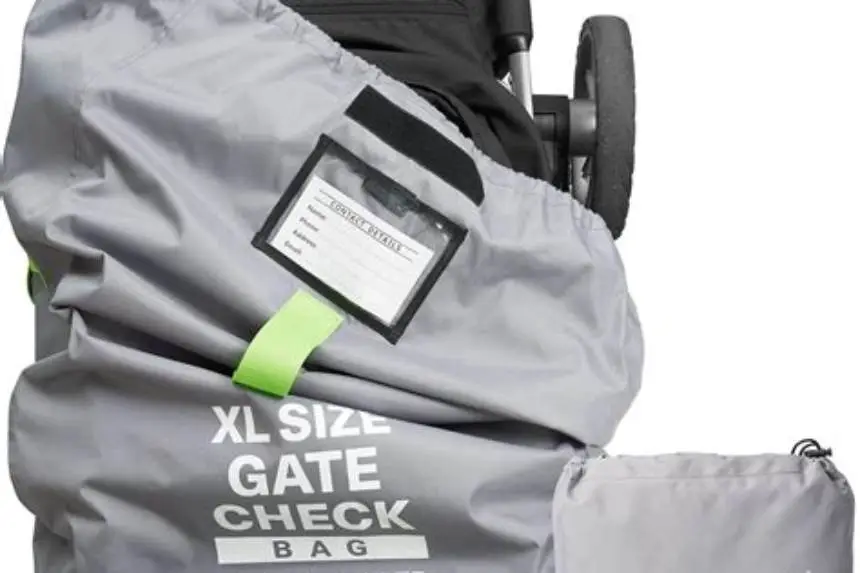
Gate-check solves this. The stroller gate-checks free. It goes into the hold at the jet bridge as you board. You get it back at the gate when you land. You do not carry it into the cabin. This is the standard path for a newborn-safe double on a US domestic flight. The other half of this decision is choosing protection for gate-checked strollers.
Gate-check works well on most flights under 4 hours. On longer flights or tight connections, the delay is usually 2–5 minutes: the ground crew retrieves strollers from the hold and brings them to the gate. On very crowded days, it can take longer. If you have a 45-minute connection, gate-check is risky. If you have 2 hours, it is fine. Plan accordingly.
- Confirm your airline allows gate-check (check their website or call).
- Fold the stroller at the gate when you board (crew will direct you where).
- Hand it to the ground crew or place it in the gate-check bin.
- Retrieve it at the jet bridge on arrival; it does not go to baggage claim.
When a newborn travels in the car seat, not the stroller
Federal Aviation Administration (FAA) rules allow a child to travel in an approved car seat on a parent's lap or in a window seat. A newborn can travel in a rear-facing infant car seat from birth, held by the parent, for the entire flight. The car seat must be FAA-approved (all US-sold seats are). You do not need to gate-check the stroller if the newborn stays in the car seat.
This changes what the stroller needs to do. If the newborn is in the car seat during the flight, the stroller only needs to handle the older child or to carry diaper bags. You can bring a compact single stroller (16–20 inches folded, 12–15 lbs) that fits overhead. This is often the lightest option for two children when one is a newborn. There is more on cybex libelle 2 stroller gate check weight in a separate guide.
The trade-off: holding a rear-facing car seat on your lap for the flight is exhausting. The seat is heavy (9–12 lbs). Your arm gets tired. The newborn cannot see you. Many parents choose this method only for short flights or when the newborn sleeps. For longer flights or multiple trips, most parents prefer a lie-flat double that gate-checks.
If you use the car seat on your lap, bring the stroller to the airport anyway. Gate-check it or fold and stow it. You will need it at your destination. Do not carry it into the cabin because the car seat on your lap already takes up your child's seat.
- Smallest stroller needed (single, 12–18 lbs)
- Stroller fits overhead cabin
- Newborn sleeps in familiar car seat
- Adult holds heavy car seat entire flight
- Newborn rear-facing; limited visibility
- Takes up one seat from another passenger if booked as a lap infant
What to do when no double clears the cabin
If gate-check is not available on your flight, or you have a very tight connection, bring two single strollers or one single plus an infant carrier. A lightweight umbrella stroller folds to 16–20 inches and weighs 10–14 lbs. Two of them fit in the overhead bin of most aircraft. You can gate-check one and carry the other on board, or carry both.
An infant carrier (soft-structured baby carrier or wrap) lets you carry the newborn hands-free, freeing the stroller for the older child. You pack the stroller and the carrier separately. The carrier weighs 1–2 lbs. This is the lightest option overall: carrier (1–2 lbs) plus one compact stroller (12 lbs) plus car seat in checked luggage or at destination equals 13–14 lbs to manage on board.
A double stroller checked in baggage is also an option. If your airline allows two checked bags, you can check the double stroller as one bag (some airlines charge a fee, typically $35–75 for checked bags over the first one; verify your airline's policy). You carry a lightweight single on board. At your destination, you have the double waiting. This works well if you are staying several weeks or visiting grandparents.
Checked doubles take baggage-claim time and risk damage in handling. For a 3–5 day trip, most parents carry on or gate-check a stroller rather than check it. For a 2–3 week trip, checking is reasonable.
- Two umbrella strollers: each under 15 lbs, fit overhead separately or together; one carries newborn, one carries toddler.
- Infant carrier plus one stroller: carrier on parent, stroller for second child; lightest total weight.
- Checked double plus carry-on single: double waits at destination; more baggage handling time.
- Car seat on lap plus carry-on single: smallest stroller; most tiring for parent on long flight.
How to find the actual dimensions before you buy
Stroller product pages do not always list folded dimensions. Search for 'specifications' or 'dimensions' in product details. If width and depth are missing, email the maker's customer service with the model number. They have the numbers; you need them to decide. Expect a response in 1–2 business days.
Measure a folded stroller yourself if you can borrow one. Lay a tape measure along the length (tip to handle), check the width (left wheel to right wheel), and measure the depth (front to back). Write down all three. Compare to your airline's cabin baggage limits. This is more reliable than trusting a product photo.
Read the manual for newborn requirements. Search the maker's website for the user manual (often a PDF download) and look for 'recline angle' or 'infant' or 'birth'. The manual states whether the stroller is suitable from birth and what angle the seat reclines to. If the seat reclines to 170 degrees instead of 180 degrees (flat), it does not meet the newborn standard and you need a car seat attachment or a different stroller.
Make a spreadsheet or note: stroller model, folded length, folded width, folded depth, weight, recline angle, newborn-suitable (yes/no), airline cabin limit, does it fit (yes/no). Do this for two or three models. Pick the smallest or lightest one that is newborn-safe. This work takes 30 minutes and saves a return trip.
- Find your airline's cabin baggage limit on their website (search 'carry-on allowance'). Write down all three dimensions.
- Search the stroller maker's website for product specifications. If folded dimensions are incomplete, email customer service.
- Download the user manual and search for 'recline' and 'birth' to confirm newborn suitability and the angle.
- Compare the stroller's folded dimensions to the airline's limit. Mark yes or no for each model.
- Choose the model that is newborn-safe, smallest, and lightest.
Questions people still ask
Can I carry a folded stroller into the cabin instead of gate-checking it?
Only if it fits the overhead bin or under the seat in front of you. A newborn-safe double rarely fits either. A compact single under 20 inches folded may fit the overhead. If you attempt to force an oversized stroller into the bin, the crew will ask you to gate-check it. Gate-check is free, so do not argue; just gate-check it.
What if my airline does not offer gate-check?
Regional airlines and some international carriers restrict gate-check. Check your airline's website before booking. If gate-check is not available, bring a lightweight single stroller instead of a double, or check the double in your baggage (if your fare allows checked bags). Confirm your specific flight allows it: some flights under 2 hours refuse checked strollers.
Is a double stroller worth it for one trip, or should I rent at my destination?
Renting is worth it if you are flying once or visiting a single city. Stroller rentals at airports and hotels run $40–80 for a week. If you fly twice a year, buying a lightweight double is cheaper over time. Rental strollers are often heavier and bulkier than travel models. If you own a lightweight double, carrying it or gate-checking it usually costs nothing.
Do I need a special 'travel' double, or can any double work?
A full-size double (standard jogging or all-terrain frame) rarely folds small enough. Travel doubles are designed to fold compact for planes, trains, and cars. Weight matters too: if you cannot lift the stroller solo into an overhead bin, it is too heavy. Look for doubles under 18 lbs. Standard doubles often weigh 22–30 lbs. Travel is the difference.
If the newborn gate-checks in the stroller and gets cold, what do I do?
Gate-checked strollers go into an unheated cargo hold on most flights. Bring a lightweight blanket for the stroller that you can unfold at the gate and wrap around the seat before gate-checking. On the ground, the stroller is outside for 5–15 minutes. A cold stroller is not comfortable but is not harmful. A newborn in a car seat on your lap stays warm. If cold bothers you, use the car seat method instead of gate-check.
Can I take a double stroller with a detachable car seat onto a bus or train the same way?
Buses and trains have different rules. Most buses ask strollers to fold completely. Most trains allow strollers in a designated area. A car seat frame attachment is easier on trains because the frame is usually more compact and the seat detaches. Check your specific transit provider's policy. Gate-check is an airline rule; buses and trains use different systems.