Can a pregnancy pillow support breastfeeding comfortably and safely?
You can use a pregnancy pillow for breastfeeding if it holds your baby at nipple height without you leaning. Test it with your baby's weight on the pillow in your usual chair. If you must hunch or lift with your arm, the height or firmness is wrong for your body and chair.
On this page (8 sections)
- What matters most
- Can a pregnancy pillow be used for breastfeeding without buying another pillow?
- Pregnancy pillows and nursing pillows are built for different jobs
- How pregnancy pillows fit typical breastfeeding positions
- When a pregnancy pillow might not be ideal for feeding
- Adjustments and accessories that make a pregnancy pillow work better
- Safe positioning beats pillow shape every time
- Questions people still ask
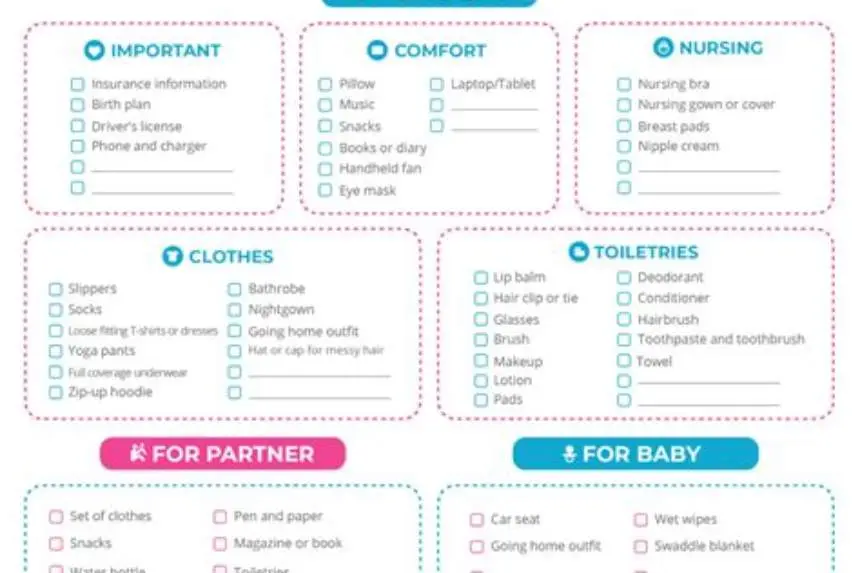
Part of our guide on printable checklist for hospital bag
The numbers
- Useful lift height
- enough to meet nipple without leaning — varies by body and chair
- Typical feed length
- varies by baby and age; early weeks bring frequent feeds
- Pillow firmness test
- springs back quickly, does not stay dented
- Back support angle
- slight recline with back fully supported
- Safe airway rule
- nose and chin clear, neck straight
What matters most
- Match pillow firmness and height to nipple level, not just softness around you.
- C-shaped and small wedge pregnancy pillows adapt best; long U-shapes often sag or slide.
- Test height with baby in your arms before you buy anything new.
- If your shoulders or wrists ache after a few minutes, the lift is too low.
Can a pregnancy pillow be used for breastfeeding without buying another pillow?

Many parents hope their pregnancy pillow will work for nursing. You already own it, so you want it to pull double duty. You can use it, but only if it brings baby to you without hunching.
The key test is simple. Sit in your usual chair and lay baby on the pillow. Needed height varies with your torso length, breast size, chair height, and baby's size and age.
If your shoulders stay relaxed and baby stays level, you have a match. If you lift with your arm or bend your neck, you need more firm support. Test first.
- saves money in early weeks
- already shaped to your body
- often too soft to hold height
- large size shifts on couch or bed
Pregnancy pillows and nursing pillows are built for different jobs
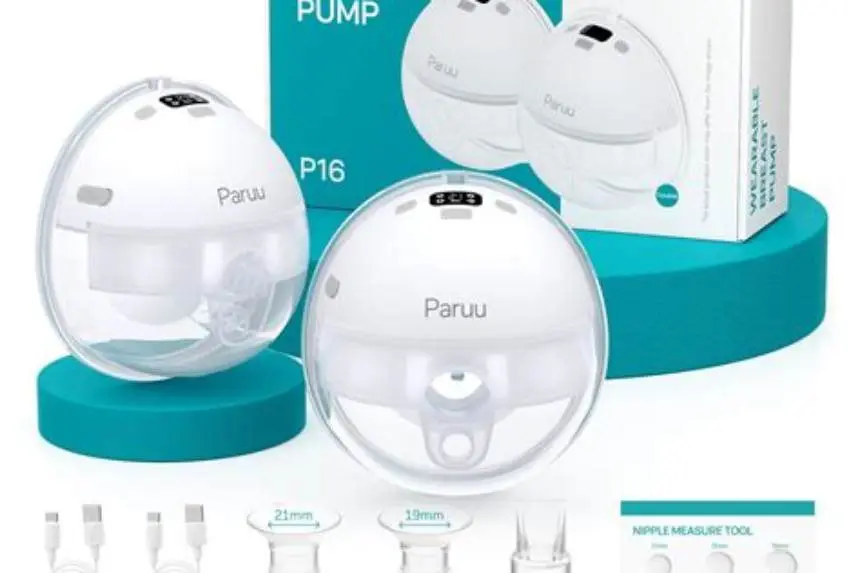
Pregnancy pillows ease sleep. They cushion hips, back, and belly while you lie on your side for hours. The fill stays soft and spreads pressure. We cover which wearable breast pump fits under nursing tank in its own article.
Nursing pillows hold a small body steady at breast height. They are short, dense, and lock around your waist. They resist compression and spring back when you press.
Many sleep-focused pregnancy pillows dent and stay compressed under baby plus arm weight. That softness helps at night but lets baby sink during feeds. How much firmness you need depends on your body, your chair, and baby's weight.
| Feature | Pregnancy pillow | Nursing pillow |
|---|---|---|
| Primary goal | support side-sleeping comfort | hold baby at nipple height |
| Typical shape | long U, J, or C around body | small C or firm wedge at waist |
| Firmness under baby | soft, often stays dented | firm, springs back quickly |
| Where it sits | behind back and between knees | firmly on lap, against torso |
| Best for feeding | occasional short feeds with tweaks | repeated daily feeds |

Baby Lounger Pillow, Nursing Pillow & Tummy Time Mat with Washable Cover |
Holds baby level at breast height without arm lift when your pregnancy pillow sags, with firm 25D foam that springs back and a detachable machine-washable cover.
How pregnancy pillows fit typical breastfeeding positions
Your position decides if the pillow helps or gets in the way. Each hold needs height in a slightly different spot. The pillow must stay put while you use both hands.
Cradle and cross-cradle need a level shelf on your lap. Fold the thickest part of a C-shaped pillow onto your lap. Tuck the tail behind your back so it anchors.
Football hold needs a steady ledge at your side. It should keep baby level at breast height without you lifting. Laid-back nursing needs less lap height and more back support. Try a slight recline with your back fully supported. Adjust until you can stay relaxed without leaning forward.
- Cradle: thick loop on lap, tail anchored behind you - keeps baby level without arm strain.
- Cross-cradle: same as cradle, plus small rolled washcloth under baby's neck if head tilts back.
- Football: folded C arm at your side on top of a firm couch cushion - prevents sliding.
- Laid-back: small wedge behind your back, pregnancy pillow off your lap - lets gravity help latch.
When a pregnancy pillow might not be ideal for feeding
A pregnancy pillow falls short when it cannot keep shape through a whole feed. Many soft polyfill pillows compress under baby's weight and need readjusting. You end up hunching, and hunching often brings nipple pain and sore shoulders.
Size can also work against you. Many full U pillows are over four feet long and can overwhelm a small chair or couch. They push you from armrests and shift when baby wiggles. You spend the feed fixing fabric instead of watching baby.
Heat and cleaning matter in the first weeks. Brushed or plush covers trap heat during skin-to-skin and show milk drips fast. Check the care tag before you rely on it. Look for a removable, machine-washable cotton or cotton-blend cover and fill you can spot-clean. If you cannot wash it quickly, save it for sleep and use a firmer, washable option for feeds.
- fine for occasional daytime rest
- good back support between feeds
- sags under combined weight
- too bulky for small chairs
- hard to wash quickly
Adjustments and accessories that make a pregnancy pillow work better
You can often make what you have work with two tweaks. Add firm height underneath and anchor the shape. Fold the pillow so the densest section sits on your lap, not the thin middle.
Place a firm, flat cushion underneath until baby's mouth meets nipple without you leaning. A dense couch cushion or foam wedge works well. Needed lift varies by your torso, chair, and baby's age, so test with baby in place.
Stop the slide by tucking the tail behind your back or under your thigh. A thin cotton blanket roll at the outer edge can form a low wall. Keep the surface fairly flat so baby lies level, not in a deep trough. If shoulders still ache after a few minutes, switch tools.
- Sit where you normally feed, back supported at a slight recline.
- Fold your pregnancy pillow to put the thickest part on your lap, tail anchored behind you.
- Add a firm flat cushion underneath until baby's mouth meets nipple without you leaning.
- Lay baby on pillow, check nose and chin are clear and body is straight.
- Rest your arms on pillow, not holding weight. If anything aches in 2 minutes, adjust height.
Safe positioning beats pillow shape every time
Comfort helps, but safe positioning comes first. Your baby needs a clear airway, a straight body line, and a deep latch you can see and hear. No pillow should cover the face or let the chin tuck to the chest.
Pillows do not replace your hands. Support baby's neck and back until latch feels secure. Bring baby to breast, not breast to baby. Feet flat, knees near hip height, back supported. You should feel relaxed, not stretched.
This article is general information and not medical advice. If latch pain lasts past 30 seconds, if baby seems to struggle to breathe, or if weight gain worries you, contact your pediatrician or an IBCLC promptly. After feeding, move the pillow away before you doze. Keep the sleep surface flat and clear with baby on back, per AAP safe sleep guidance. Use the pregnancy pillow for your own rest while someone else watches baby.
- Airway check: you can see nostrils and chin, chin not tucked, neck not twisted.
- Body check: ear, shoulder, and hip form a straight line, tummy to your tummy.
- Latch check: mouth wide, lower lip out, areola more visible above than below.
- You check: shoulders dropped, wrists straight, no leaning forward to close the gap.
A pregnancy pillow can help for short or occasional feeds if you can make it firm and level at nipple height, but a compact firm nursing pillow is more reliable for daily use.
Questions people still ask
Can I use a U-shaped pregnancy pillow for every feed?
You can try, but many U pillows are too soft and bulky for repeated feeds. They often sink under weight and slide on couches. A folded C section or a small firm wedge usually holds height better and fits chairs more easily. If you must readjust often, choose a firmer option.
Will using a pregnancy pillow affect my milk supply?
The pillow itself does not change supply. Poor height can lead to shallow latch and less effective milk removal. Fix height so baby can latch deeply and feed often. In early weeks newborns often feed 8 to 12 times per 24 hours, per CDC and AAP guidance, so comfort matters.
How do I keep the pillow from slipping on a couch?
Anchor the tail behind your back or under your thigh and place the lap portion on a firm, flat base. Avoid soft, rounded couch cushions. A thin non-slip mat under the pillow can help, but firm support matters more.
Do I need a different cover for feeding?
A smooth, washable cotton or cotton-blend cover is best. Brushed or plush covers trap heat and show milk stains fast. If your pregnancy pillow cover is not washable, lay a flat cotton blanket over it and wash that daily. Check the care tag for machine-wash instructions.
When should I switch to a dedicated nursing pillow?
Switch if you must lean, prop with your hand, or readjust every few minutes, or if your neck, shoulders, or wrists ache after feeds. Choose a compact, firm pillow or wedge with a removable washable cover. Test it in your chair: baby should stay level at breast height without you lifting. If pain persists, ask an IBCLC for hands-on help.